
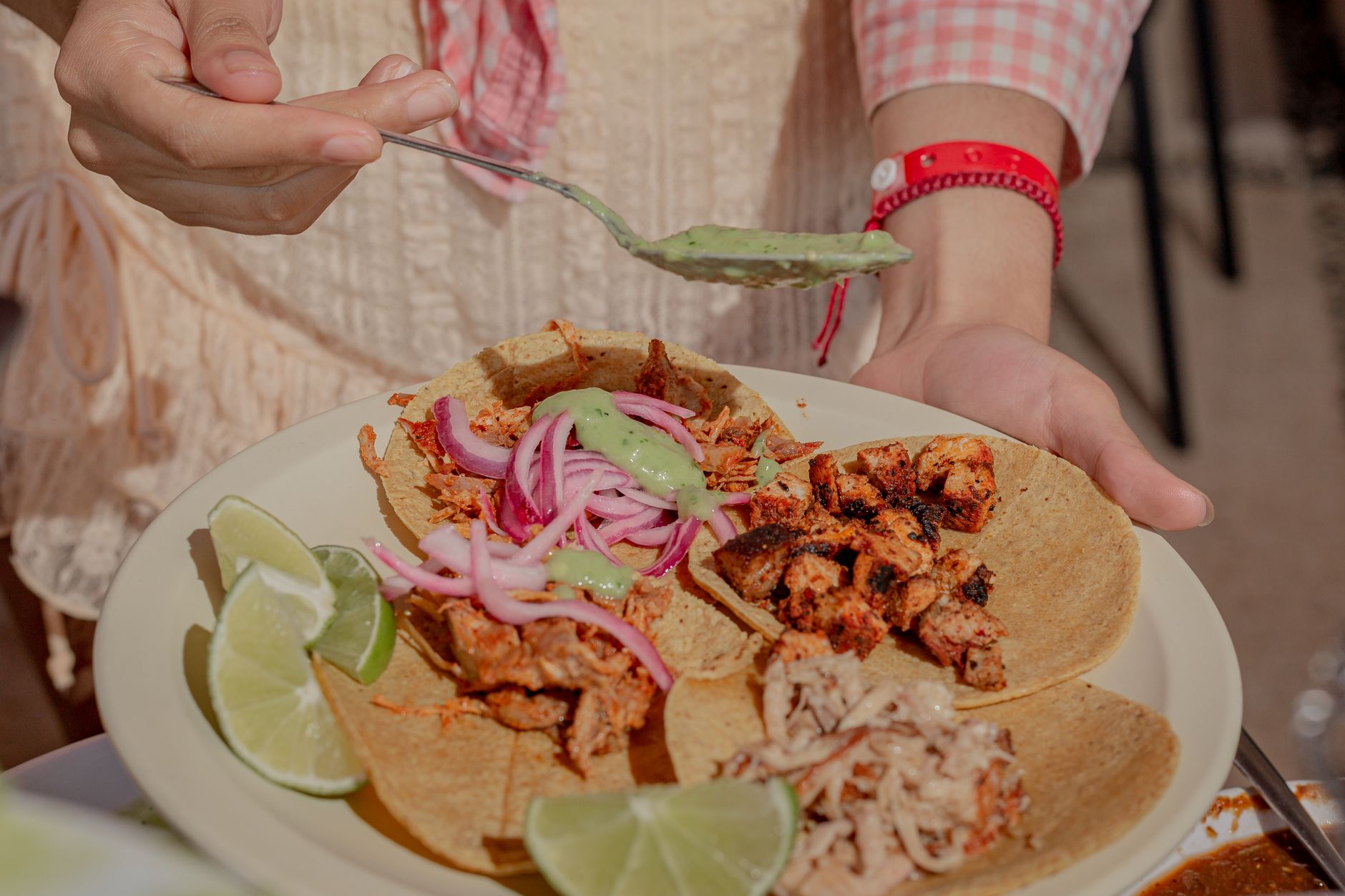
Carnitas, a beloved staple in Mexican cuisine, is indeed pork. The name “carnitas” translates to “little meats,” referring specifically to pork that is braised or simmered until tender. This dish is known for its rich flavor and satisfying texture, making it a popular filling for tacos, burritos, and more.
The method of cooking carnitas delivers deeply savory flavors, often complemented by spices, citrus, and other aromatics. Understanding how to prepare and serve carnitas can elevate your culinary skills and broaden your repertoire in Mexican cuisine.
What is Carnitas?
Carnitas is a traditional Mexican dish made by braising or slow-cooking pork until it becomes extremely tender and juicy. It is typically flavored with herbs, spices, and citrus, then shredded into bite-sized pieces. The cooking method allows the pork to absorb the flavors of the added ingredients while rendering down the fat, which contributes to its signature taste and texture.
Common Cuts of Pork Used for Carnitas
While any pork cut can technically be used to prepare carnitas, certain cuts are more preferred due to their fat content and tenderness after cooking. Here are some common pork cuts used for making carnitas:
- Pork Shoulder: Also known as pork butt or Boston butt, this cut has a good amount of fat, making it ideal for slow cooking.
- Pork Belly: Known for its rich flavor and high-fat content, pork belly can add a delightful taste to carnitas.
- Picnic Shoulder: This tough cut of pork is less fatty than shoulder, but it still breaks down beautifully with the right cooking technique.
Flavor Profile of Carnitas
The flavor of carnitas is a delightful mix of savory and slightly sweet, with a fresh, zesty finish. This is achieved through the combination of various ingredients used during the cooking process. Common flavors found in carnitas include:
- Citrus: Oranges and limes are often used to balance the richness of the meat.
- Herbs: Bay leaves, oregano, and thyme can enhance the overall flavor profile.
- Spices: Commonly include cumin, garlic, and chili powder, which bring depth and warmth to the dish.
How to Make Carnitas: A Step-by-Step Guide
Preparing carnitas at home is a rewarding endeavor that fills your kitchen with irresistible aromas. The following method outlines how to make traditional carnitas, along with recommended ingredients and cooking techniques.
Ingredients
- 3-4 pounds pork shoulder (or your preferred cut)
- 1 tablespoon salt
- 2 teaspoons black pepper
- 1 tablespoon ground cumin
- 1 tablespoon oregano
- 4 cloves garlic, minced
- 1 onion, quartered
- 2 oranges, juiced (and peel added for more flavor)
- 1 lime, juiced
- 1-2 bay leaves
- Water or chicken broth (enough to cover pork, approximately 2-3 cups)
Essential Equipment
- Large heavy-duty pot or Dutch oven
- Sharp knife for cutting the meat
- Cutting board
- Wooden spoon or spatula for stirring
- Tongs for handling meat
Cooking Method
- Begin by trimming excess fat from the pork shoulder, but leave some for flavor and moisture. Cut the meat into large chunks, approximately 2-inch pieces.
- In a large pot or Dutch oven, place all the pork pieces and season generously with salt, black pepper, cumin, and oregano.
- Add the minced garlic, quartered onion, citrus juices, bay leaves, and add the orange peel, if preferred.
- Pour enough water or chicken broth into the pot until the pork is just covered. Bring the mixture to a boil over medium-high heat.
- Once boiling, reduce the heat to low and cover the pot. Allow the pork to simmer for approximately 2-3 hours. Check occasionally, adding additional water or broth if necessary.
- Once the pork is tender and easily shredded with a fork, remove it from the pot. Let it rest for a few minutes to cool slightly.
- Using two forks or your hands, shred the pork into bite-sized pieces. Discard any remaining bone or bay leaves.
- Optional: For crispy carnitas, spread the shredded pork on a baking sheet and place it under a broiler for a few minutes until the edges are crispy.
- Serve the carnitas hot with tortillas, fresh cilantro, diced onion, and lime wedges.
Tips for Perfect Carnitas
To ensure your carnitas turn out perfectly, consider these helpful tips:
- Choosing the Right Cut: Be sure to select a cut with a good balance of meat and fat to achieve the desired tenderness.
- Slow Cooking: The key to tender carnitas is low and slow cooking. If you can, let the meat simmer for longer than the minimum time recommended.
- Building Flavor: Don’t hesitate to adjust the spices and aromatics based on your personal taste preferences. Feel free to experiment!
- Usage of Citrus: The acidity in the citrus not only adds flavor but helps tenderize the meat, so don’t skip this step.
Common Mistakes to Avoid
When making carnitas, here are some common mistakes to steer clear of:
- Skipping the Fat: Using lean cuts can lead to dry carnitas. Remember that some fat adds flavor and moisture.
- Rushing the Process: Trying to cook the meat too quickly can result in tough carnitas. Plan for a longer cooking time for more tender results.
- Not Enough Broth: Make sure the liquid level is high enough to keep the meat covered during cooking.
Serving Suggestions
Carnitas is versatile and can be served in multiple ways. Here are some popular ways to enjoy this dish:
- Tacos: Fill soft or crispy tortillas with carnitas and top with diced onions, cilantro, salsa, and a squeeze of lime.
- Burritos: Combine carnitas with rice, beans, cheese, and guacamole in a flour tortilla.
- Nachos: Layer tortilla chips with carnitas, cheese, jalapeños, and your favorite toppings for a satisfying snack.
- Salads: Add carnitas to a salad for a protein boost, along with your choice of greens, vegetables, and dressing.
Make-Ahead and Storage
Carnitas can be made ahead of time and stored for later use. Here are some guidelines:
- Make Ahead: Prepare the carnitas and let them cool completely before storing them in an airtight container.
- Refrigeration: Store cooked carnitas in the refrigerator for up to 4 days. Reheat gently on the stovetop or in the microwave.
- Freezing: For longer storage, freeze carnitas for up to 3 months. Thaw the meat in the refrigerator before reheating it.
Substitutions and Variations
If you’re looking to make adjustments to your carnitas recipe, consider these options:
- Different Meats: While pork is traditional, you can experiment with chicken, beef, or even plant-based proteins for a different flavor.
- Spice Variations: Add chipotle peppers for a smoky flavor or switch out spices according to your taste preferences.
- Vegetarian Option: Use jackfruit as a substitute for meat. Prepare it similarly with spices and simmering for flavor.
Carnitas in Regional Cuisine
Carnitas is often associated with Mexican culture and cuisine, typically served during celebrations and family gatherings. Different regions within Mexico may have unique variations in their preparation and serving styles. For example, in Michoacán, where carnitas originated, the pork is traditionally cooked in its own fat, which enhances the flavor and texture significantly.
Exploring carnitas can lead to discovering different styles and recipes, contributing to the rich tapestry of Mexican culinary traditions.
Understanding carnitas as pork not only enriches your knowledge of traditional dishes but also opens doors to experimenting with this versatile ingredient in your cooking. Whether you choose to enjoy carnitas in classic tacos or get creative with unique serving ideas, this dish brings flavor and joy to any meal.
Consider exploring related recipes or techniques to further enhance your cooking skills, like making a flavorful pork marinade or trying a pork egg roll recipe. Happy cooking!