
There’s nothing quite like the smell of marinated pork hitting a hot skillet or grill, filling your kitchen with a savory aroma that makes your mouth water before the first bite even happens. A pork marinade recipe is your secret weapon for transforming simple cuts into restaurant-quality meat that’s bursting with flavor and incredibly tender.
What makes this marinade special is its balance of acid, oil, and seasonings that work together to break down the meat’s fibers while infusing it with complex taste. Whether you’re grilling weeknight chops, preparing a weekend feast, or meal prepping for the week ahead, this versatile marinade delivers impressive results every single time.
Why You’ll Love This Recipe
This pork marinade works with nearly any cut of pork and requires minimal prep time, yet the flavor payoff feels anything but rushed or lazy. You’ll find yourself reaching for this formula again and again because it’s foolproof, affordable, and transforms ordinary pork into something your family will actually remember.
- Works beautifully with pork chops, tenderloin, ribs, shoulder, and ground pork
- Ready to use in under 10 minutes with ingredients you likely have on hand
- Naturally tenderizes meat while adding depth and complexity to every bite
- Makes enough to marinate 2 to 3 pounds of pork or stores perfectly for multiple uses
- Pairs seamlessly with grilling, baking, pan-searing, and slow-cooking methods
My Experience Making This Recipe
I first created this marinade on a random Tuesday when I had pork chops thawing and zero inspiration for dinner. I threw together what I had in my pantry and fridge, then let the meat sit for just two hours before cooking, and honestly, I was shocked at how incredible it turned out.
The first time my family tried it, my teenage son actually asked for seconds without me having to nudge him toward the vegetable side dish. Since then, I’ve made this marinade at least once a month, tweaking it slightly based on what I’m cooking or what I’m in the mood for that night.
What really won me over is how versatile it is and how forgiving the timing becomes. Leave it for 30 minutes and you get solid flavor; go overnight and the pork becomes so tender it practically falls apart, which happens to be perfect for shredded pork tacos.
Recipe Overview
- Recipe Name: Simple Asian-Inspired Pork Marinade
- Servings: Makes enough marinade for 2 to 3 pounds of pork (approximately 4 to 6 servings)
- Prep Time: 10 minutes
- Marinating Time: 30 minutes to 12 hours
- Total Time: 40 minutes to 12 hours 10 minutes (depending on marinating duration)
- Course: Main Course
- Cuisine: Asian-Inspired
- Calories per Serving: Approximately 120 calories (marinade only, not including cooked pork)
Equipment You Will Need
- Large measuring cups and measuring spoons
- Small mixing bowl
- Whisk
- Gallon-sized resealable plastic bag or glass baking dish
- Meat thermometer (optional but recommended)
- Tongs or a slotted spoon
- Paper towels
- Shallow plate for dredging (if pan-searing)
Ingredients for Pork Marinade Recipe
- Soy sauce: 1/2 cup (or tamari for gluten-free)
- Rice vinegar: 1/4 cup (white vinegar works in a pinch)
- Honey: 3 tablespoons (adds sweetness and helps caramelize when cooking)
- Olive oil: 1/4 cup
- Fresh ginger: 2 tablespoons, minced (or 1 teaspoon ground ginger)
- Garlic: 6 cloves, minced (or 2 teaspoons garlic powder)
- Sesame oil: 2 tablespoons (adds nutty depth)
- Red pepper flakes: 1/2 teaspoon (adjust to taste)
- Black pepper: 1/4 teaspoon (freshly ground)
- Salt: 1/4 teaspoon (or to taste, remembering soy sauce adds salt)
- Green onions: 2 stalks, chopped (optional garnish and flavor boost)
- Lime juice: 1 tablespoon (adds brightness)
Ingredient Notes and Substitutions
- Soy sauce: This is the backbone of the marinade and provides umami, saltiness, and depth. Swap it for coconut aminos if you need soy-free or gluten-free, though the flavor will be slightly less intense.
- Rice vinegar: Rice vinegar is milder than other vinegars, letting the soy and ginger shine. Use apple cider vinegar or white vinegar in equal amounts, but reduce by 1 tablespoon if using distilled white vinegar since it’s more acidic.
- Honey: Honey balances the salty and sour elements while helping the pork caramelize beautifully when cooked. Brown sugar or maple syrup work equally well in the same amount, though maple will add a slightly different flavor profile.
- Sesame oil: This aromatic oil adds authentic Asian flavor and richness that regular olive oil cannot replicate. If you don’t have it, use an extra tablespoon of olive oil mixed with 1/2 teaspoon of toasted sesame seeds, though the depth will be slightly reduced.
- Fresh ginger: Fresh ginger brings a warm, slightly spicy punch that grounds the entire marinade. Powdered ginger is convenient but use only one-third the amount since it’s more concentrated and can become overpowering.
- Garlic: Minced fresh garlic is ideal because it softens and infuses the meat more evenly than powder. Garlic powder works fine and won’t overpower the marinade, using 2 teaspoons for 6 cloves.
How to Make Pork Marinade Recipe
Step 1: Gather and Prep Your Ingredients
Assemble all your ingredients and prepare them before mixing so the marinade comes together smoothly and quickly. Mince your fresh ginger and garlic finely so they distribute evenly throughout the liquid and cling better to the pork’s surface.
Step 2: Combine Soy Sauce and Vinegar
Pour the soy sauce and rice vinegar into your mixing bowl, stirring them together gently. These two ingredients create the acidic backbone that will tenderize the pork while providing that signature savory-tangy flavor.
Step 3: Add the Honey and Oils
Whisk in the honey, olive oil, and sesame oil until the honey dissolves completely and the mixture becomes slightly emulsified. The oils create a coating that seals moisture into the pork, while honey adds sweetness and helps create a flavorful crust during cooking.
Step 4: Incorporate the Fresh Aromatics
Add the minced fresh ginger, minced garlic, and lime juice to the bowl, whisking constantly to combine everything evenly. Fresh ginger and garlic release their essential oils when chopped, so mixing them in immediately locks their flavor into the marinade.
Step 5: Season with Spices and Adjust
Stir in the red pepper flakes, black pepper, and salt, tasting the marinade as you go to ensure the balance feels right. Remember that soy sauce already contributes significant salt, so taste before adding more or your final dish could become oversalted.
Step 6: Prepare Your Pork
Pat your pork dry with paper towels and trim any excess surface fat, which helps the marinade penetrate more effectively. Arrange your pork in a large resealable bag or glass baking dish in a single layer, creating space for the marinade to coat all surfaces evenly.
Step 7: Pour Marinade Over Pork
Pour the prepared marinade over the pork, ensuring every piece is coated on all sides. If using a resealable bag, press out excess air and gently massage the bag so the marinade coats everything, or use tongs to turn the pork pieces in a baking dish several times.
Step 8: Marinate for the Right Duration
Refrigerate the pork for at least 30 minutes for light flavor infusion, or up to 12 hours for deep penetration and maximum tenderness. After the first hour, turn the meat once if you’re using a baking dish, though this isn’t strictly necessary if you’ve packed everything tightly in a resealable bag.
Step 9: Remove Pork and Cook to Preference
Remove the pork from the marinade 15 to 20 minutes before cooking so it reaches closer to room temperature, which ensures even cooking throughout. You can discard the used marinade or simmer it briefly on the stovetop and use it as a glaze or sauce, though only if it hasn’t touched raw pork.
Pro Tip: Save a small portion of marinade before adding raw pork, then heat it gently in a saucepan to use as a finishing sauce or glaze, giving you restaurant-level presentation without the hassle of cooking down the original batch.
Tips for the Best Pork Marinade Recipe
- Don’t skip mincing fresh ginger and garlic by hand because pre-minced versions lose potency quickly and won’t deliver the same bright, sharp flavor to your marinade.
- Taste your marinade before adding pork because adjusting seasonings at this stage takes 30 seconds instead of trying to salvage overcooked meat later.
- Use a resealable bag instead of a baking dish for smaller cuts like chops because the bag creates contact between marinade and meat on all sides without taking up fridge space.
- Bring marinated pork close to room temperature before cooking so the meat cooks evenly and reaches that perfect caramelized crust without the outside drying out.
- Double or triple the marinade recipe and freeze it in ice cube trays so you have perfect portions ready whenever pork appears in your meal plan.
- If marinating overnight, remove the pork from the fridge one hour before cooking to ensure thorough, even cooking from edge to center.
Common Mistakes to Avoid
- Cooking pork straight from the refrigerator causes uneven cooking where the outside browns before the inside reaches the proper temperature, so always let marinated meat sit at room temperature for 15 to 20 minutes first.
- Using only ground ginger and garlic powder in your marinade delivers a flat, one-dimensional flavor that never quite matches the brightness and complexity of fresh ingredients.
- Marinating in a dish without turning the meat means the bottom piece absorbs far more marinade than the top, creating inconsistent flavor and texture across your batch.
- Reusing marinade that touched raw pork without heating it properly invites food safety concerns, so always set aside a portion before adding meat or heat it thoroughly before using as a sauce.
- Forgetting to pat the pork dry before marinating traps surface moisture that dilutes the marinade instead of allowing concentrated flavor to cling to the meat.
Serving Suggestions
Marinated pork shines when paired with bright, fresh sides that balance the savory depth of the marinade without competing for attention. Think about serving it with something crisp and cool to offset the rich, caramelized flavors you’ve worked to develop.
- Over steamed jasmine rice with sliced cucumber, fresh cilantro, and a drizzle of extra sesame oil
- On a bed of sauteed bok choy with crushed peanuts and chopped green onions
- Inside lettuce cups with shredded carrots, daikon, and a spicy mayo for a light, interactive meal
- Alongside roasted broccolini and cauliflower rice for a low-carb, nutrient-dense dinner
- Sliced thin and layered in a banh mi sandwich with pickled vegetables and fresh herbs
Variations to Try
- Spicy Korean-Style: Add 2 tablespoons of gochujang (Korean red chili paste) and reduce soy sauce to 1/4 cup to create a deeper heat and fermented complexity that transforms the flavor profile entirely.
- Tropical Island Version: Swap rice vinegar for pineapple juice and replace sesame oil with coconut oil to bring sweetness and warmth that works beautifully with grilled pork and lighter sides.
- Smoky Bourbon Twist: Add 3 tablespoons of bourbon whiskey and 1 tablespoon of smoked paprika to create a richer, darker marinade perfect for thicker cuts like tenderloin or shoulder.
- Citrus Herb Blend: Add the zest of one lime, one orange, and fresh mint or basil to brighten the marinade and create a Mediterranean lean that pairs wonderfully with grilled pork chops.
- Maple and Mustard: Replace honey with pure maple syrup and add 2 tablespoons of whole grain mustard for an earthy, tangy version that brings autumn flavors to your table any time of year.
Dietary Adaptations
- Gluten-Free: Simply swap regular soy sauce for tamari or coconut aminos to keep all other ingredients intact, though tamari tastes nearly identical while coconut aminos is slightly sweeter and less salty.
- Dairy-Free: This marinade is naturally dairy-free, so no substitutions are needed, making it an easy choice for anyone avoiding dairy in their cooking.
- Low-Sodium: Use low-sodium soy sauce and skip the added salt entirely to reduce sodium content significantly, though be aware the final flavor will be less intense and may require a flavor boost from extra ginger or a splash of extra lime juice.
- Keto and Low-Carb: Reduce honey to 1 tablespoon or replace it entirely with a sugar-free sweetener like erythritol in the same amount, keeping all other ingredients the same for a marinade that fits your macros.
Storage and Reheating
Refrigerator
Store marinated pork in an airtight container or sealed bag on the coldest shelf of your refrigerator for up to three days, keeping it away from other raw proteins. The pork continues to absorb flavor even after cooking, so leftover cooked pork tastes even better the next day.
- Keep raw marinated pork in the coldest part of your fridge, away from ready-to-eat foods
- Store cooked pork in a separate airtight container for up to three days
- Always use a separate cutting board and utensils when handling raw marinated pork
Freezer
Freeze marinated pork in a resealable freezer bag for up to three months, pressing out as much air as possible before sealing. This method lets you grab a bag straight from the freezer and cook it directly without thawing, saving you prep time on busy nights.
- Portion pork and marinade into individual freezer bags for easy grab-and-go cooking
- Label each bag with the date and contents so you remember what you’re cooking
- Thaw in the refrigerator overnight for best results, or cook directly from frozen if you have time to add 5 to 10 minutes to your cooking time
Reheating
Reheat cooked pork gently in a low oven or over medium-low heat on the stovetop to prevent drying out the meat. Slice it thinly and add it to rice bowls, fried rice, or noodle dishes rather than eating it plain a second time.
- Warm sliced pork in a 300-degree oven for 10 to 15 minutes, covered loosely with foil
- Pan-reheat over medium-low heat with a splash of water or broth to add back moisture
- Transform leftovers into fried rice, noodle dishes, or grain bowls instead of reheating plain
Nutrition Information
| Nutrient | Amount |
|---|---|
| Calories | 120 |
| Total Fat | 9g |
| Saturated Fat | 1.5g |
| Carbohydrates | 8g |
| Fiber | 0g |
| Sugar | 7g |
| Protein | 1g |
| Sodium | 950mg |
| Cholesterol | 0mg |
This nutrition information reflects the marinade only and does not include the cooked pork itself, which will add protein and fat depending on the cut you choose. Pork tenderloin, for example, adds approximately 26 grams of protein and 4 grams of fat per 3-ounce serving, while pork chops vary based on the specific cut and how much fat remains after trimming.
Frequently Asked Questions
Can I make this marinade without fresh ginger and garlic?
Yes, you can use 1 teaspoon of ground ginger and 2 teaspoons of garlic powder mixed into the marinade, though the flavor will be less vibrant and slightly more muted. Fresh ingredients always deliver brighter, more complex results, but powdered versions work in a pinch and still create delicious pork.
How long can pork stay in this marinade?
Pork can marinate safely for up to 12 hours in the refrigerator, after which the acid in the marinade can begin breaking down the meat’s texture too much, making it mushy. For best results, aim for 2 to 8 hours depending on your cut size and how tender you prefer your finished pork.
Can I use this marinade for chicken or beef?
Absolutely, this marinade works beautifully on chicken breasts, thighs, and beef cuts like sirloin or flank steak. Chicken should marinate for 1 to 4 hours while beef benefits from 4 to 12 hours, though the same flavor profile translates across all proteins.
What if my marinade tastes too salty?
Add another tablespoon of rice vinegar or lime juice to balance the salt and boost the brightness, or stir in a teaspoon of honey to round out the flavors. Tasting before cooking is always better than discovering the issue after the pork hits the skillet.
Can I use this marinade for slow-cooked pork shoulder?
Yes, this marinade works wonderfully for pulled pork and slow-cooker recipes, though you can double or triple the batch to ensure the large cut stays submerged. The long, low cooking time means the pork absorbs even more flavor, creating incredibly tender, flavorful results.
Is this marinade spicy?
This marinade has mild heat from the red pepper flakes and fresh ginger, but it’s not spicy in a way that dominates the flavor profile. If you prefer no heat at all, simply omit the red pepper flakes, or add up to 1 teaspoon if you love bold, spicy pork.
Final Thoughts
This pork marinade recipe is your ticket to restaurant-quality results at home without spending hours in the kitchen or emptying your wallet at a takeout spot. Once you’ve made it once or twice, you’ll have the formula memorized and can throw it together without thinking, making it the perfect quick-fix for weeknight dinners and weekend entertaining alike.
Whether you’re a busy parent looking for flavor shortcuts or a home cook wanting to expand your cooking repertoire, this versatile marinade deserves a permanent spot in your regular rotation. Try it this week and discover why this simple combination transforms ordinary pork into something truly special.
Explore More Recipes
Ready to master more pork cooking techniques and marinades that deliver impressive results every single time? Explore our collection of tested recipes designed to elevate your home cooking and keep your family excited about dinner.
Try our pork chop marinade for weeknight dinners or dive into our Vietnamese pork chop recipe for authentic Asian flavors and discover new ways to make pork your secret kitchen superstar.
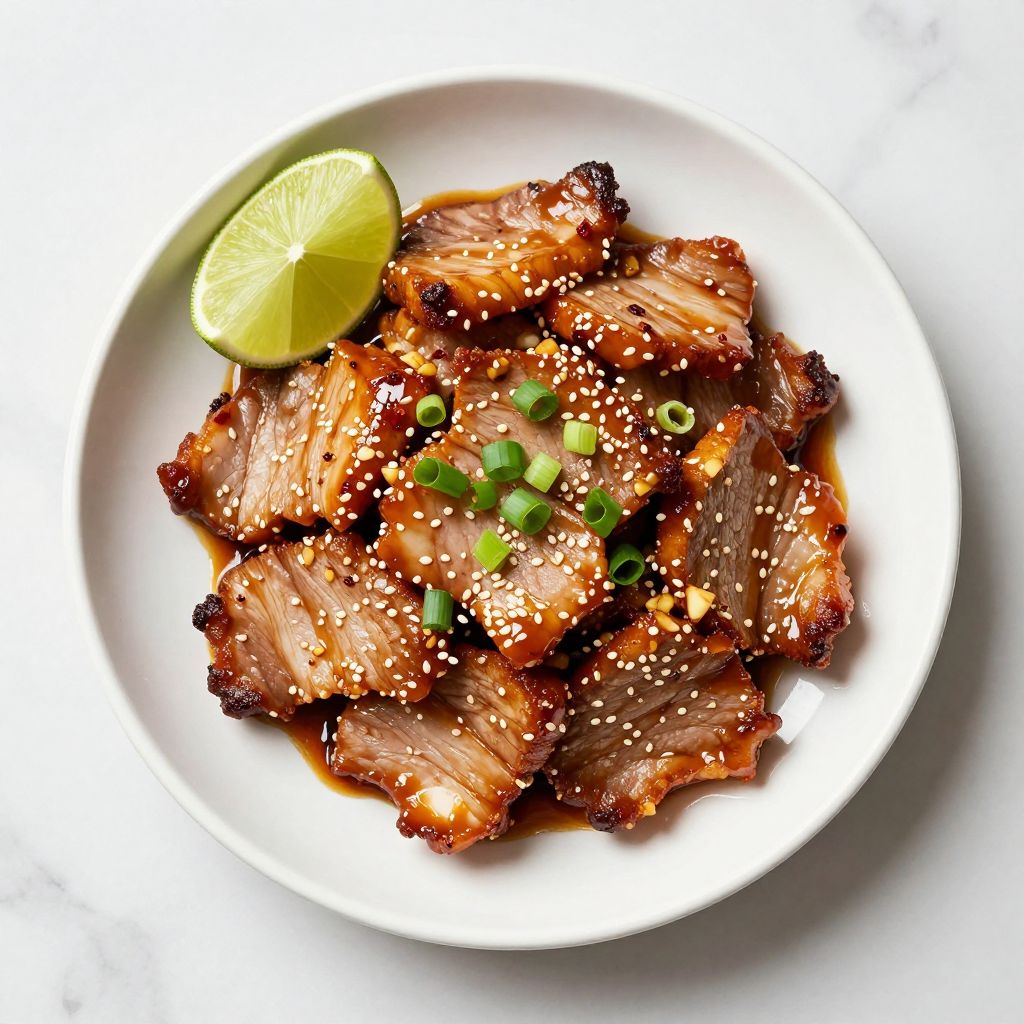
Simple Asian-Inspired Pork Marinade
Ingredients
Equipment
Method
- Gather all ingredients and prepare aromatics by mincing ginger and garlic finely.
- In a mixing bowl, whisk together soy sauce and rice vinegar until combined.
- Add honey, olive oil, and sesame oil; whisk until the honey dissolves and the mixture is emulsified.
- Stir in minced ginger, minced garlic, and lime juice to incorporate fresh aromatics.
- Season with red pepper flakes, black pepper, and salt; taste and adjust seasoning as needed.
- Pat pork dry with paper towels and place in a gallon-sized resealable bag or glass baking dish.
- Pour the marinade over the pork, seal the bag or cover the dish, and massage to coat all surfaces.
- Refrigerate the pork for at least 30 minutes or up to 12 hours for maximum flavor and tenderness.
- Remove pork from the refrigerator 15 to 20 minutes before cooking to allow it to reach room temperature.