
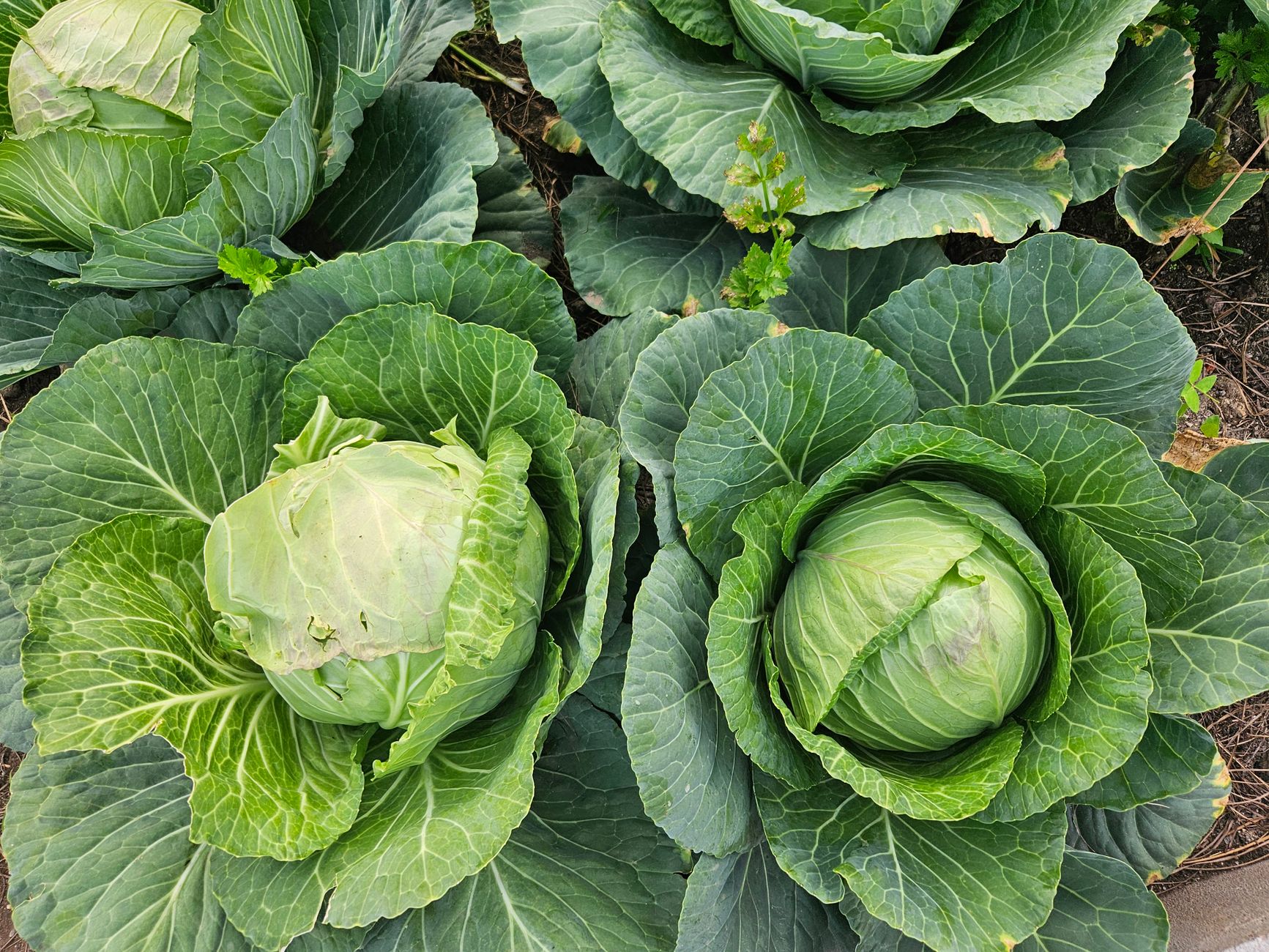
Cabbage is a popular and versatile vegetable that often garners curiosity regarding its classification. Many people wonder, is cabbage considered a leafy green? In this article, we will delve into the characteristics of cabbage, its nutritional profile, culinary uses, and the broader category of leafy greens. We’ll explore why cabbage belongs in this category and how to incorporate it into your meals.
Leafy greens are known for their rich flavors, vibrant colors, and health benefits. From salads to stir-fries, these vegetables can be used in a variety of dishes. Understanding cabbage’s place among leafy greens will help you make better choices for your diet and cooking.
Is Cabbage Considered a Leafy Green?
Yes, cabbage is classified as a leafy green vegetable. It possesses broad, leafy foliage and is part of the Brassica family, which includes other greens like kale, collard greens, and mustard greens. Cabbage comes in several varieties, such as green, red, and Napa, each contributing unique flavors and textures to dishes.
Understanding Leafy Greens
Leafy greens are generally characterized by their high nutrient density, low caloric content, and versatility in the kitchen. They are rich in vitamins A, C, K, and a variety of B vitamins, as well as important minerals like iron and calcium. Common leafy greens include:
- Kale
- Spinach
- Swiss chard
- Collard greens
- Romaine lettuce
- Arugula
- Endive
These leafy vegetables can often be eaten raw, cooked, or added to various dishes. Cabbage fits this definition perfectly, given its leafy structure and nutritional profile.
Nutritional Profile of Cabbage
Cabbage is not only delicious but also packed with health benefits. Here’s a breakdown of cabbage’s nutritional content per 100 grams:
- Calories: 25
- Protein: 1.3 g
- Fats: 0.1 g
- Carbohydrates: 5.8 g
- Fiber: 2.5 g
- Vitamin C: 48.2 mg (54% of the Daily Value)
- Vitamin K: 76 mcg (64% of the Daily Value)
- Calcium: 40 mg
- Iron: 0.47 mg
This nutritional profile makes cabbage a great addition to any diet, especially for those looking to increase their intake of vitamins and minerals while still maintaining a low-calorie meal plan.
Types of Cabbage
There are several varieties of cabbage, each offering distinct flavors and culinary uses:
- Green Cabbage: The most common variety, often used in coleslaw and salads.
- Red Cabbage: Slightly sweeter than green cabbage, it is often used for its vibrant color in salads and dishes.
- Napa Cabbage: A type of Chinese cabbage, it has a milder flavor and is often used in Asian dishes.
- Savoy Cabbage: Characterized by its crinkled leaves, Savoy cabbage has a tender texture and is great in stuffed dishes or soups.
Each type of cabbage can vary in taste, texture, and cooking methods, making them versatile ingredients for a variety of cuisines.
Culinary Uses for Cabbage
The versatility of cabbage allows it to be used in numerous dishes across various cuisines. Here are some common ways to incorporate cabbage into your cooking:
1. Raw Preparations
Cabbage can be eaten raw, making it an excellent choice for salads and slaws. Its crunchy texture adds a refreshing element to dishes. Consider a classic coleslaw made with shredded green or red cabbage, mixed with a tangy dressing.
2. Cooked Dishes
Cabbage can be sautéed, steamed, or boiled. Cooking cabbage softens its texture and enhances its sweetness. Sautéed Napa cabbage with garlic and sesame oil is a delicious and easy side dish.
3. Soups and Stews
Adding cabbage to soups and stews provides bulk and nutrition. It pairs well with broth-based dishes like vegetable soup or hearty stews, where it can absorb flavors from the broth.
4. Fermented Products
Cabbage is the primary ingredient in sauerkraut and kimchi, both of which involve fermentation. Fermented cabbage dishes offer gut health benefits and add depth to meals.
5. Stuffed Cabbage Rolls
Stuffed cabbage rolls are a popular dish in many cultures, where cabbage leaves are filled with a mixture of meat and rice, then cooked in a sauce. This preparation showcases cabbage’s ability to hold up to hearty fillings.
How to Select and Store Cabbage
When choosing cabbage at the grocery store, look for heads that feel heavy for their size and have firm, crisp leaves. Avoid any heads that show signs of wilting or browning.
To store cabbage, keep it unwashed in the refrigerator. It can stay fresh for about one to two weeks. Once cut, wrap the remaining cabbage tightly in plastic wrap or store it in an airtight container; it will last up to a week. Avoid washing until you are ready to use it, as moisture can lead to quicker spoilage.
Cabbage Preparation Techniques
Preparing cabbage is simple but depends on how you plan to use it. Here are some essential techniques:
1. Chopping
To chop cabbage, first remove any damaged outer leaves. Cut the cabbage head into quarters, remove the core, and slice it thinly for salads or coleslaws.
2. Shredding
Shredding cabbage is useful for slaws and stir-fries. Use a sharp knife or a box grater to shred the cabbage into thin strips.
3. Blanching
Blanching cabbage leaves, particularly when preparing stuffed cabbage rolls, softens them for easier rolling. Boil the leaves for 2-3 minutes, then plunge them into ice water to stop the cooking process.
Cabbage Substitutions in Recipes
Cabbage can sometimes be substituted for other leafy greens in recipes, depending on the dish. Here are a few alternative ingredients:
- Kale: Can replace cabbage in salads or stir-fries, adding a more robust flavor.
- Swiss Chard: Offers a similar texture when sautéed; however, it has a more earthy flavor.
- Collard Greens: Though tougher, they can substitute in soups or stews where longer cooking times are utilized.
- Napa Cabbage: Ideal for a milder flavor profile, especially in Asian dishes.
Common Mistakes When Cooking with Cabbage
Here are some common pitfalls to avoid when cooking with cabbage:
- Overcooking: Cabbage can become mushy if overcooked. Aim for tender yet crisp leaves by monitoring cooking times closely.
- Not salting: When making slaws or salads, salting the cabbage before mixing with dressing can draw out moisture and improve texture.
- Skipping flavor enhancements: Cabbage absorbs flavors well; adding herbs and spices can elevate your dish significantly. Don’t be shy with seasoning!
Health Benefits of Cabbage
Cabbage is not only nutritious, but it also offers several health benefits:
- Rich in Antioxidants: Cabbage contains antioxidants that help combat oxidative stress in the body.
- Aids Digestion: Its high fiber content promotes healthy digestion.
- Supports Immune Function: The vitamin C in cabbage contributes to a healthy immune system.
- May Reduce Inflammation: Some studies suggest that compounds in cabbage might help reduce inflammation.
Incorporating Cabbage into Your Meal Plan
Integrating cabbage into your weekly meal plans can enhance both nutrition and variety. Here are some practical tips:
- Add to Salads: Use raw cabbage as the base for salads, mixing in colorful vegetables for a healthy crunch.
- Include in Stir-Fries: Add chopped cabbage to stir-fries for an extra crunch and added nutrients.
- Make Slaw: Prepare a slaw to go alongside grilled meats or as a topping for tacos.
- Soup Base: Include chopped cabbage in soups to boost fiber and nutrition.
- Weekly Batch Cooking: Cook a large batch of cabbage to use in various meals throughout the week.
Quick Recipes Featuring Cabbage
Here are two simple recipes to encourage you to experiment with cabbage:
Simple Sautéed Cabbage
This quick and easy recipe highlights the flavor of cabbage using minimal ingredients.
- Ingredients:
- 1 small head green or Napa cabbage, chopped
- 2 tablespoons olive oil
- 2 cloves garlic, minced
- Salt and pepper to taste
- Instructions:
- Heat olive oil in a large skillet over medium heat.
- Add garlic and sauté for 30 seconds until fragrant.
- Add the chopped cabbage, stirring well to coat in oil.
- Cook for 5-7 minutes, stirring occasionally, until tender but still crisp.
- Season with salt and pepper before serving.
Classic Coleslaw
This easy coleslaw pairs perfectly with barbecued dishes or sandwiches.
- Ingredients:
- 1 small head green cabbage, shredded
- 1 large carrot, grated
- ½ cup mayonnaise
- 1 tablespoon apple cider vinegar
- 1 tablespoon sugar
- Salt and pepper to taste
- Instructions:
- In a large bowl, combine shredded cabbage and grated carrot.
- In a separate bowl, mix together mayonnaise, apple cider vinegar, sugar, salt, and pepper.
- Pour the dressing over the cabbage and carrot, tossing to coat evenly.
- Chill in the refrigerator for at least 30 minutes before serving for best flavor.
Incorporating cabbage into your diet can add both flavor and nutrition. This leafy green is incredibly versatile in cooking, bringing unique textures and flavors to dishes. Remember, when selecting cabbage, opt for firm heads with vibrant leaves, and store it properly to maximize freshness.
Explore cabbage further by trying out our Napa Cabbage Recipe or the tasty Sautéed Cabbage Recipe to enrich your culinary repertoire and discover new ways to enjoy this nutritious vegetable!