
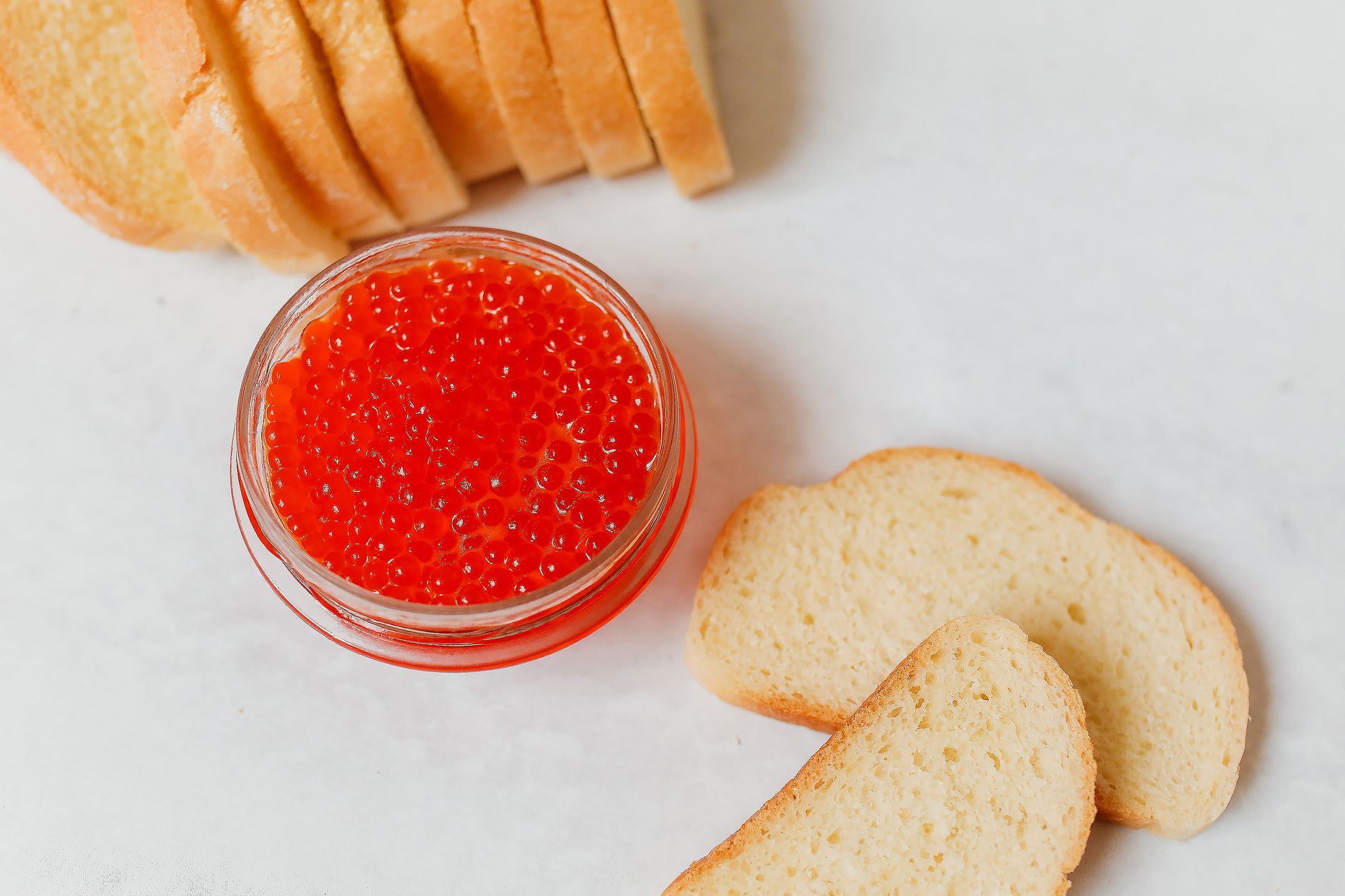
Milt, also known as fish roe or soft roe, is a culinary ingredient derived from male fish, particularly during the spawning season. Unlike traditional roe, which refers to the eggs, milt consists of the sperm sac and is valued for its delicate flavor and unique texture. While milt is less common than other seafood delicacies, it has a dedicated fan base and is celebrated in various cuisines around the world.
The flavor of milt varies based on the type of fish and its preparation but is often described as creamy, subtly sweet, and slightly briny. This ingredient is utilized in a range of dishes, from appetizers to main courses, adding richness and a distinct umami quality. In this article, we will explore what milt is, its culinary uses, how to prepare it, and how to serve it effectively.
What Is Milt?
Milt refers to the sperm-producing organs of male fish, harvested during the breeding season. It typically has a creamy consistency and can be used in various ways around the globe. Common fish that produce milt include cod, salmon, and other species prized for their roe. Milt is less common in Western cuisine but is featured prominently in Asian and Mediterranean cooking.
Ingredients Used in Milt Dishes
The ingredients accompanying milt can range widely based on regional preferences and each preparation’s desired flavor profile. Here are some common ingredients that complement milt:
- Fresh herbs (like parsley, dill, and chives)
- Citrus (lemon or lime for brightness)
- Garlic and shallots for depth
- Olive oil or butter for richness
- Salt and pepper for seasoning
- Vegetables (such as asparagus or greens) for additional texture
- Acidic ingredients (like vinegar or sake) to balance the dish
Flavor Profile of Milt
The flavor profile of milt is characterized by its creamy and rich qualities, which can sometimes enhance dishes that traditionally use sauces or spreads. The taste can vary, depending on the fish species from which it is derived. Here’s what you can generally expect:
- Balmy and Creamy: Milt has a smooth texture and a taste that can resemble a mixture of cream and ocean brine.
- Slightly Sweet: The flavor may have a hint of sweetness, which pairs well with salty or savory components.
- Umami Notes: It incorporates umami, making it ideal for enhancing flavor in dishes where it’s used.
Culinary Uses for Milt
Milt can be enjoyed in various ways, reflecting its versatility and the culinary traditions of different cultures. Here are some common uses:
1. Sautéed Milt
A popular preparation method in various regions involves sautéing milt. When sautéed, it develops a slightly crispy exterior while remaining creamy inside, making it an excellent addition to pasta or served as a main dish with seasonal vegetables.
2. Milt in Pasta Dishes
Adding milt to pasta creates an interesting texture and flavor. It blends well with rich sauces, and the creaminess can replace traditional cheese or cream in a sauce, lending a marine touch to various Italian dishes.
3. Milt Sushi or Sashimi
In Japanese cuisine, milt is often served as sushi or sashimi. It highlights the delicacy of the ingredient while allowing the natural flavors to shine, often accompanied by soy sauce and wasabi.
4. Grilled Milt
Grilling milt is another enticing way to prepare it. The slight charring adds complexity to its natural flavor, making it an appealing choice for seafood lovers seeking something different.
5. Milt in Soups and Stews
Some cultures utilize milt in soups or stews, where it adds a unique flavor and texture, enhancing the dish’s overall richness.
How to Prepare Milt
Preparation of milt is straightforward, but the key is to handle it delicately to avoid breaking it apart. Here are some steps to prepare milt effectively:
Selecting Fresh Milt
When purchasing milt, look for plump, firm pieces with a slight sheen. It should have a mild marine scent, not overly strong or fishy. Freshness is critical, as milt can spoil quickly.
Cleaning Milt
- Start by rinsing the milt gently under cold running water.
- Remove any membrane or connective tissue carefully using a knife; this can be easily torn if not cautious.
- Once cleaned, pat the milt dry using paper towels to remove excess moisture before cooking.
Cooking Milt
Once prepared, milt is best cooked quickly to maintain its creamy texture. Here’s a simple method for sautéing milt:
- Heat a skillet over medium heat and add olive oil or butter.
- Add freshly minced garlic and shallots, sautéing until fragrant.
- Carefully add the milt, cooking for about 3-5 minutes until just set and lightly browned, turning gently as needed.
- Season with salt, pepper, and fresh herbs before serving.
How to Serve Milt
Serving milt can be a delightful experience, particularly when paired with ingredients that complement its flavor profile. Here are some ways to serve milt dishes effectively:
1. With Lemon and Herbs
Serve sautéed milt on a bed of greens, drizzled with lemon juice and sprinkled with fresh herbs. This approach not only adds brightness but enhances its flavor beautifully.
2. As Part of a Seafood Platter
Incorporate milt into a seafood platter alongside shrimp, oysters, and smoked fish. This showcases its uniqueness while providing guests with a range of flavors and textures.
3. In Sushi Rolls
Utilize milt in sushi rolls with fresh vegetables and rice, providing a rich filling that elevates the dish. Serve with soy sauce or ponzu for added depth of flavor.
4. Accompanied by Pasta
Mix milt with linguine or spaghettini, adding a light sauce of olive oil, garlic, and vegetables. This creates a comforting yet sophisticated dish.
5. Pairing with Wine
When serving milt, consider pairing it with white wines like Sauvignon Blanc or Chardonnay, which complement its creamy texture and mild brininess.
Practical Substitutions for Milt
If you are unable to find milt, there are other ingredients that can provide a similar texture or flavor in your dishes:
- Sturgeon Roe: Offers a rich flavor and similar briny qualities, although it is denser and salty.
- Cod Roe (Caviar): A firmer option that can mimic the creamy texture when blended into sauces.
- Creamy Fish Sauce: Provides umami flavors and a creamy texture in dishes, although less immersive than milt.
- Silken Tofu: For a vegetarian approach, silken tofu can replicate the textures but lacks the fishy flavor of milt.
Common Mistakes and Troubleshooting
When cooking with milt, there are some common pitfalls to avoid:
Overcooking
One of the most frequent mistakes is overcooking milt, rendering it tough and rubbery. To avoid this, monitor cooking times carefully, aiming for a light sauté.
Improper Cleaning
Failing to clean milt properly could result in a dish with off-flavors. Always ensure to remove membranes and rinse thoroughly.
Pairing with Strong Flavors
Since milt has a delicate flavor, pairing it with strong spices or flavors can overshadow it. Stick to lighter, complementary ingredients to let the milt shine.
Storage and Reheating Guidance for Milt
Fresh milt should be cooked immediately for the best flavor and texture but can be stored in the refrigerator for up to two days. If necessary, follow these guidelines for handling and reheating:
Storage
- Keep milt in an airtight container to prevent it from absorbing odors from other foods.
- Store it in the coldest part of the refrigerator, ensuring it is not overly wet.
Reheating
When reheating cooked milt, do so gently. A low heat method, like a double boiler or very briefly in a skillet, is recommended to prevent overcooking. Aim to heat it just enough to bring it back to serving temperature without cooking further.
Exploring Different Cuisines with Milt
Milt appears in various international cuisines, each presenting unique preparation methods:
Japanese Cuisine
In Japan, milt is often served as part of dishes like nabemono (hot pot) or consumed raw as sashimi. This reflects the culture’s appreciation for fresh seafood and delicate flavors.
Korean Cuisine
In Korea, milt is used in jeongol, a type of stew, where it adds a depth of flavor and texture, enhancing the dish’s umami profile.
French Cuisine
While milt is less commonly used, variations can be found, particularly in coastal regions where it may be incorporated into sauces or served with seafood preparations.
Mediterranean Cuisine
Countries like Spain and Italy embrace milt in various forms, often grilled or incorporated into pasta dishes, highlighting the ingredient’s rich qualities with herbs and simple sauces.
Health and Nutritional Considerations
Milt is a seafood product rich in protein and omega-3 fatty acids, which benefit heart health. However, it is essential to consume it in moderation, particularly since it can be high in cholesterol. Always ensure that milt is sourced sustainably to minimize environmental impacts since overfishing is a concern in some fish populations.
Final Thoughts on Cooking with Milt
What may seem like a niche ingredient, milt offers culinary potential that can elevate dishes with its rich flavor and creamy texture. By experimenting with preparations and recipes, home cooks can introduce this unique ingredient into their repertoire.
Consider starting with simple sautéed milt or adding it to pasta for an easy introduction to this distinctive ingredient. The dynamic flavor it brings ensures that milt can shine in all types of cuisines, from the fresh tastes of Japan to hearty Mediterranean cooking.
Explore related recipes and guidance on different cooking tips, including seafood preparation and unique ingredient uses to enhance your culinary experiences.