
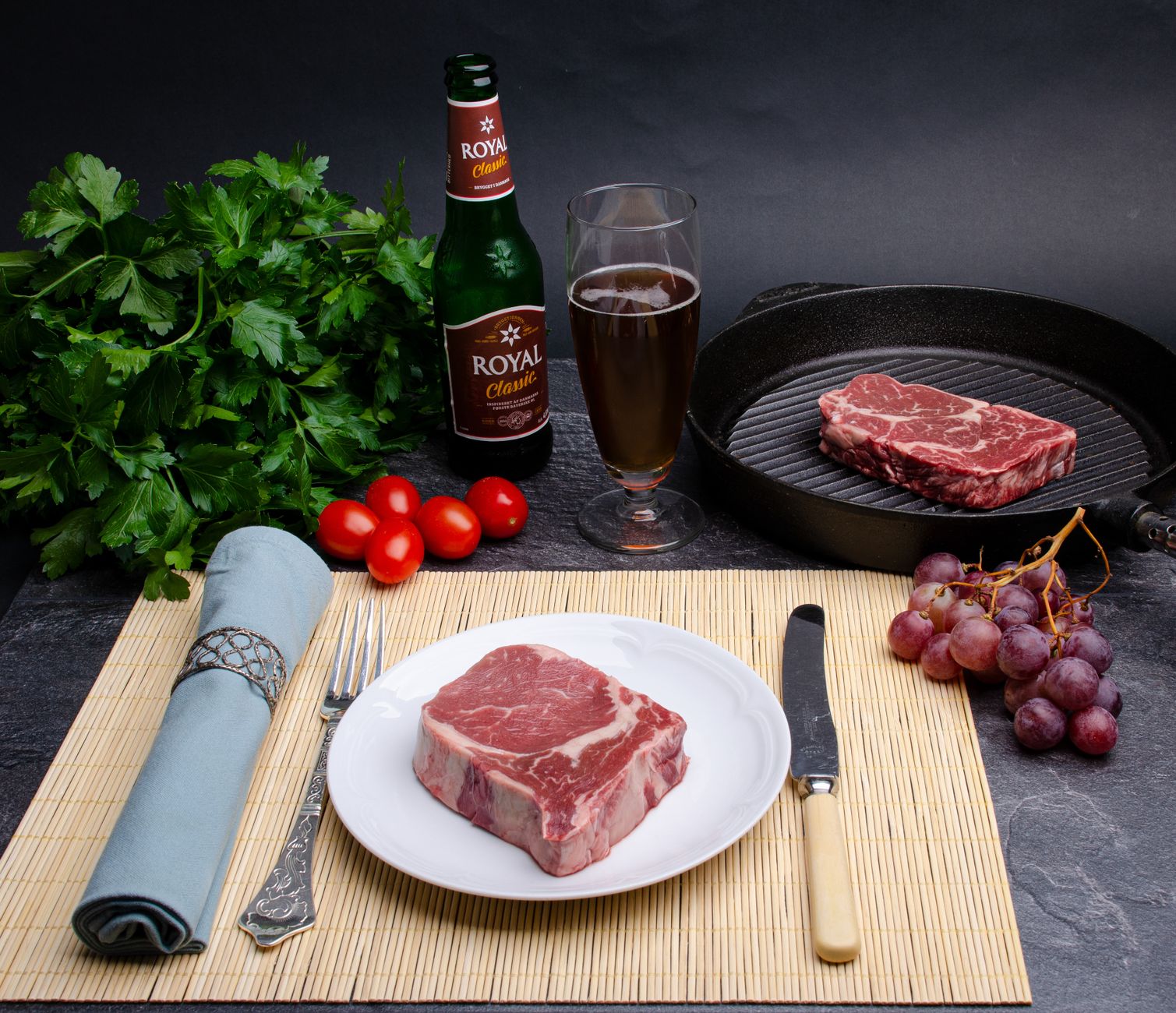
Determining how much steak to serve per person can turn meal planning into a straightforward effort, whether it’s for a casual family dinner or a formal gathering. Knowing portion sizes helps in reducing waste, staying within budget, and ensuring that everyone has enough to enjoy.
This guide thoroughly explores the nuances of steak portions, including different cuts, recommended serving sizes, and tips for preparation and side dishes to complement your meals.
How Much Steak Per Person?
When serving steak, a general guideline is to allocate 8 to 12 ounces of uncooked steak per person. This recommendation varies based on factors like the cut of meat, cooking method, and whether it is part of a multi-course meal. Understanding these variations can help you make more informed decisions.
Factors Affecting Steak Portion Sizes
Several factors contribute to the appropriate portion sizes for steak. Here’s a detailed look at these considerations:
1. Type of Meal
The context of your meal is critical. A family barbecue might call for larger portions than a sophisticated plated dinner. If steak forms the main element of the meal, aim for larger servings. Conversely, for a multi-course meal, you can reduce the portion size.
2. Cut of Meat
The cut of steak impacts not only cooking methods and flavors but also portion sizes. Here are some common steak cuts and their characteristics:
- Ribeye: Richly marbled with fat, offering a juicy flavor. Recommended portion: 10-12 ounces per person.
- Filet Mignon: Tender and lean, ideal for special occasions. Suggested serving: 6-8 ounces per person.
- T-Bone: Combines both tenderloin and strip steak. Recommended portion: 12-16 ounces per person.
- Strip Steak (New York Strip): Well-balanced in flavor and tenderness. Suggested serving: 8-10 ounces per person.
- Sirloin: Lean and flavorful. Recommended serving: 6-8 ounces per person.
3. Dining Style
Consider how the steak will be served. Buffet-style dinners may warrant larger portions since guests serve themselves, while plated meals might be smaller. If your guests have disparate appetites, leaning towards larger portions to ensure everyone is satisfied can be beneficial.
4. Accompaniments
Steak is often served alongside sides. When planning a big spread that includes multiple sides, such as potatoes, salads, or vegetables, you may opt for smaller steak portions. Generally, if guests will have a variety of dishes to choose from, you can reduce steak size to 6-8 ounces.
Portion Guide by Event
Below are specific recommendations based on various events and occasions:
Casual Family Dinner
For a casual family dinner at home, consider serving:
- Adults: 8-12 ounces of uncooked steak
- Children (ages 5-12): 4-6 ounces of uncooked steak
Formal Dinner Party
For special occasions or formal dinner parties, you can offer smaller, more refined portions:
- Adults: 6-8 ounces of uncooked steak
- Children: 3-5 ounces of uncooked steak
Barbecue or Grill Event
When hosting an outdoor barbecue, keep the following in mind:
- Adults: 10-16 ounces of uncooked steak
- Children: 5-8 ounces of uncooked steak
Steak Night with Friends
Establishing a communal meal vibe often leads to larger portions. For steak nights:
- Adults: 10-12 ounces of uncooked steak
- Children: 4-5 ounces of uncooked steak
Practical Tips for Cooking Steak
Once you’ve established the right portion sizes, consider these essential cooking tips for preparing steak:
- Choose Quality Cuts: Always select high-quality meat from reputable sources.
- Let It Rest: After cooking, let steak rest for about five minutes. This allows juices to redistribute, resulting in a tender bite.
- Use a Meat Thermometer: Ensure your steak reaches the desired doneness. For medium-rare, aim for an internal temperature of 130-135°F.
- Season Generously: Use salt and pepper to enhance the steak’s natural flavors. Marinating is also an option for additional flavor.
- Consider Cooking Methods: Grilling, pan-searing, or broiling are popular methods that each offer unique benefits.
Common Mistakes to Avoid
Here are essential mistakes to avoid when serving steak:
- Overcooking: Cooking steak for too long leads to dryness. Utilize a thermometer to achieve the desired doneness.
- Not Resting: Serving steak immediately after cooking can lead to a loss of juices.
- Ignoring the Cut: Different cuts require varied cooking times and methods. Ensure you’re aware of what you’re working with.
Serving Suggestions
Complement your steak with a variety of sides and sauces for a well-rounded dining experience:
Side Dishes
Consider these classic side dishes:
- Roasted vegetables (carrots, asparagus, or broccoli)
- Mashed potatoes or a baked potato
- Salad (Caesar or mixed greens)
- Grilled corn on the cob
- Garlic bread or rolls
Sauces
Serving sauces can intensify the flavor of your steak:
- Classic steak sauce or Worcestershire sauce
- Chimichurri for a fresh, herbaceous flavor
- Red wine reduction for an elegant touch
How to Save and Store Leftover Steak
Proper storage is essential for extending the longevity of any leftover steak:
- Refrigeration: Store cooked steak in an airtight container and refrigerate within two hours of cooking. Enjoy within three to four days.
- Freezing: If you wish to store steak for a more extended period, freezing is a suitable option. Cut it into portions and wrap securely in plastic wrap, then store in a freezer bag. Use within three months for optimal flavor.
- Reheating: For best results, reheat leftovers in the oven for even warming. Alternatively, use a microwave but be careful not to overcook.
Meal Planning with Steak
Planning meals around steak can enhance variety and efficiency. Follow these practical pointers:
- Batch Cooking: Cooking multiple steaks at once can save time. Freeze any excess to use in future meals.
- Ingredient Overlap: Plan accompaniments that can serve multiple purposes. For example, use roasted veggies both as side dishes and in salads.
- Budget Shopping: Shop in bulk for larger gatherings. Consider different cuts of steak to fit within your budget.
Understanding Nutrition Facts
While steak is a rich source of protein and essential nutrients like iron and vitamin B12, it’s important to be mindful of fat content. Lean cuts provide a healthier option without sacrificing flavor. Moderation is key to maintaining a balanced diet.
Conclusion
Knowing how much steak to serve per person can simplify meal planning and ensure everyone is satisfied. Remember to consider factors like dining style, portion sizes, and side dishes to enhance the overall experience. With these guidelines, you’ll be well-equipped to serve the perfect steak at your next gathering.
Explore more tips and recipes, such as our Petite Sirloin Steak Recipe or try our flavorful T-Bone Steak Recipe, to make your steak meals even more delightful.