
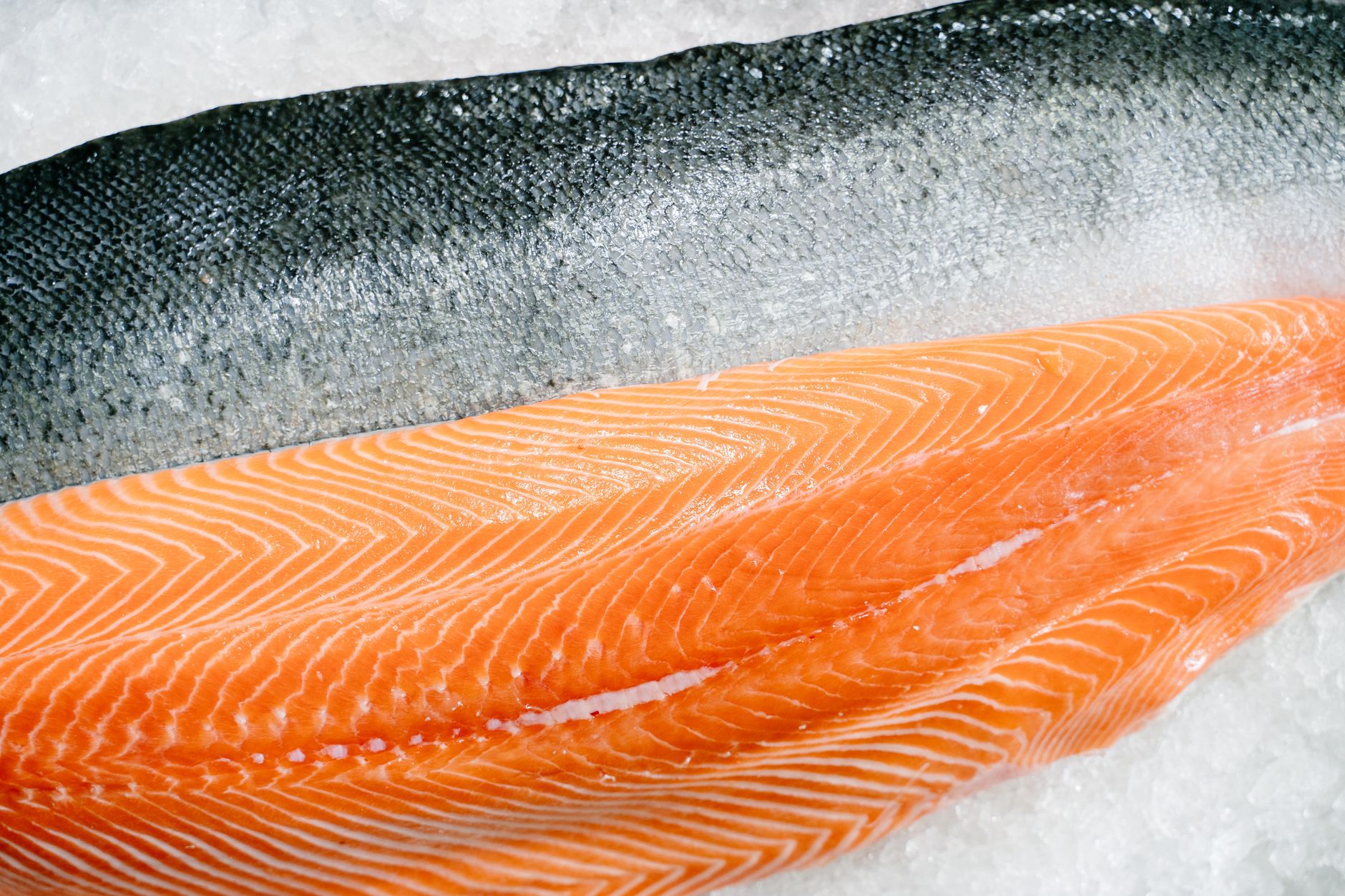
Salmon is a popular fish known for its rich flavor and health benefits. Properly stored, it can be a delicious and nutritious addition to your meals. But how long can you keep salmon in the freezer without compromising its quality?
Understanding how long salmon remains good in the freezer is essential for meal planning and food safety. In this guide, you’ll learn about the freezing process, how to store salmon properly, and tips for maximizing its shelf life.
How Long Is Salmon Good For In The Freezer?
When stored correctly in the freezer, salmon maintains its best quality for about 6 to 9 months. However, it remains safe to eat indefinitely as long as it stays frozen. The key is to ensure proper storage to avoid freezer burn and maintain flavor.
The quality may diminish, leading to dryness and loss of texture over time, even if it’s safe to consume. Let’s dive deeper into how to properly freeze salmon and other related storage tips.
The Freezing Process of Salmon
Freezing salmon is a great way to preserve its freshness and flavor. The process involves lowering the temperature of the fish quickly, which halts the growth of bacteria and helps retain its texture and taste.
Here are the stages of the freezing process:
- Preparation: Rinse the salmon under cold water and pat it dry with paper towels to remove excess moisture.
- Portioning: Cut the salmon into serving-size portions. This allows easier thawing and reduces waste.
- Wrapping: Wrap each portion in plastic wrap, ensuring no air pockets remain. Alternatively, use vacuum-sealing methods for optimal protection.
- Storage: Place the wrapped salmon inside a heavy-duty freezer bag or container labeled with the date for easy identification.
How to Store Salmon in the Freezer
Proper storage is crucial for maintaining salmon quality. Here are some tips to ensure that your frozen salmon stays fresh:
- Use airtight packaging: Oxygen exposure leads to freezer burn, which affects taste and texture. Make sure to use vacuum-sealed bags or wrap tightly with plastic wrap.
- Use proper containers: If using a container, opt for freezer-safe ones that can handle low temperatures without breaking.
- Label your packages: Mark the date on each package of salmon. This practice helps track storage times and avoid keeping the fish for too long.
- Avoid overcrowding: Ensure enough space in the freezer for air circulation. Overcrowding can hinder freezing efficiency, leading to uneven temperatures.
Signs of Freezer Burn in Salmon
Freezer burn occurs when the surface of the fish becomes dehydrated due to air exposure. It appears as grayish-brown spots or patches on the salmon. While freezer-burned salmon is still safe to eat, it may have an unpleasant taste and texture.
If you notice freezer burn, you can trim away the affected areas before cooking. To prevent freezer burn, ensure that every piece of salmon is wrapped tightly, and try to expel as much air as possible from storage containers.
Thawing Salmon Safely
When it comes to thawing frozen salmon, it’s essential to do so safely to prevent any bacterial growth. There are three recommended methods for thawing:
- Refrigerator Thawing: This is the safest method. Move the salmon from the freezer to the refrigerator and let it thaw overnight. This keeps the fish at a safe temperature during the thawing process.
- Cold Water Thawing: If you need to thaw salmon quickly, place the sealed salmon in a bowl of cold water for about an hour. Change the water every 30 minutes to ensure it remains cold.
- Microwave Thawing: Use the defrost function on your microwave if you need to thaw salmon immediately. Be cautious, as parts of the fish may cook in the process. Cook the fish immediately after thawing.
Cooking with Frozen Salmon
You may be wondering whether you can cook salmon directly from frozen. The answer is yes! Cooking frozen salmon is both convenient and safe, as long as you follow a few steps:
- Preheat your oven or skillet: If baking or pan-searing, heat your oven to 400°F (200°C) or your skillet over medium heat.
- Season as desired: While the salmon is still frozen, sprinkle your choice of seasonings on top. Common options include salt, pepper, lemon juice, dill, or any marinade.
- Adjust cooking time: Cooking frozen salmon typically requires about 50% more time than cooking thawed salmon. A general guideline is 20 to 25 minutes in the oven or 6 to 8 minutes per side in a skillet.
Using Leftover Salmon
If you have leftover thawed salmon, it can be refrigerated for up to 3 days. You can also freeze any cooked salmon again, but note that the quality might decline after the second freeze.
Here are some creative ways to use leftover salmon:
- Salmon Salad: Flake leftover salmon into a salad with greens, avocado, and your choice of dressing for a nutritious lunch.
- Salmon Tacos: Use salmon, slaw, and sauces to create delicious tacos for a tasty dinner.
- Salmon Pâté: Blend leftover salmon with cream cheese, capers, lemon juice, and dill for a spread that’s perfect for crackers.
Common Mistakes When Freezing Salmon
Avoiding common pitfalls can help you make the most of your salmon storage. Here are some mistakes to watch out for:
- Not using fresh salmon: Always start with fresh salmon when freezing. Any spoilage will worsen when frozen.
- Failing to wrap properly: Air exposure leads to freezer burn, so ensure your salmon is wrapped tightly and correctly.
- Not labeling packages: Forgetting to date packages can lead to keeping salmon longer than recommended, risking quality loss.
- Overloading the freezer: Cramming too much into the freezer can affect its ability to maintain a steady temperature, compromising food safety.
Best Practices for Salmon Storage
Implementing some best practices can help you enjoy your salmon at its best:
- Buy quality salmon: Choose high-quality fresh salmon from trusted sources. Look for bright color and firm texture.
- Freeze promptly: The sooner you freeze the salmon after purchasing, the better its quality will be upon thawing.
- Maintain consistent freezer temperature: The freezer should be set to 0°F (-18°C) or lower for optimal salmon preservation.
- Rotate stock: Use the first-in-first-out (FIFO) method to ensure you use older salmon first.
Understanding Salmon Varieties
Different types of salmon have varying fat content and flavors, which can affect their storage and cooking qualities:
- Chinook Salmon (King): Known for its high fat content and rich flavor, it can maintain quality in the freezer for up to 9 months.
- Coho Salmon: This medium-fat salmon offers a milder flavor and should ideally be consumed within 6 months of freezing.
- Sockeye Salmon: With its firm texture and strong flavor, sockeye is great for freezing, retaining quality for up to 8 months.
- Pink Salmon: This lighter option has less fat and flavor. It’s best used within 6 months for the best quality.
Conclusion
By following proper storage methods, understanding how long salmon lasts in the freezer, and employing safe thawing techniques, you can enjoy this versatile fish for months without sacrificing its quality. Properly stored salmon not only helps save time but also enables you to whip up nutritious meals quickly.
Next time you’re planning meals, consider adding salmon to your weekly menu, whether fresh or frozen. Explore more cooking tips or check out how long cooked ground beef is good in the fridge or learn how to tell if salmon is bad.