
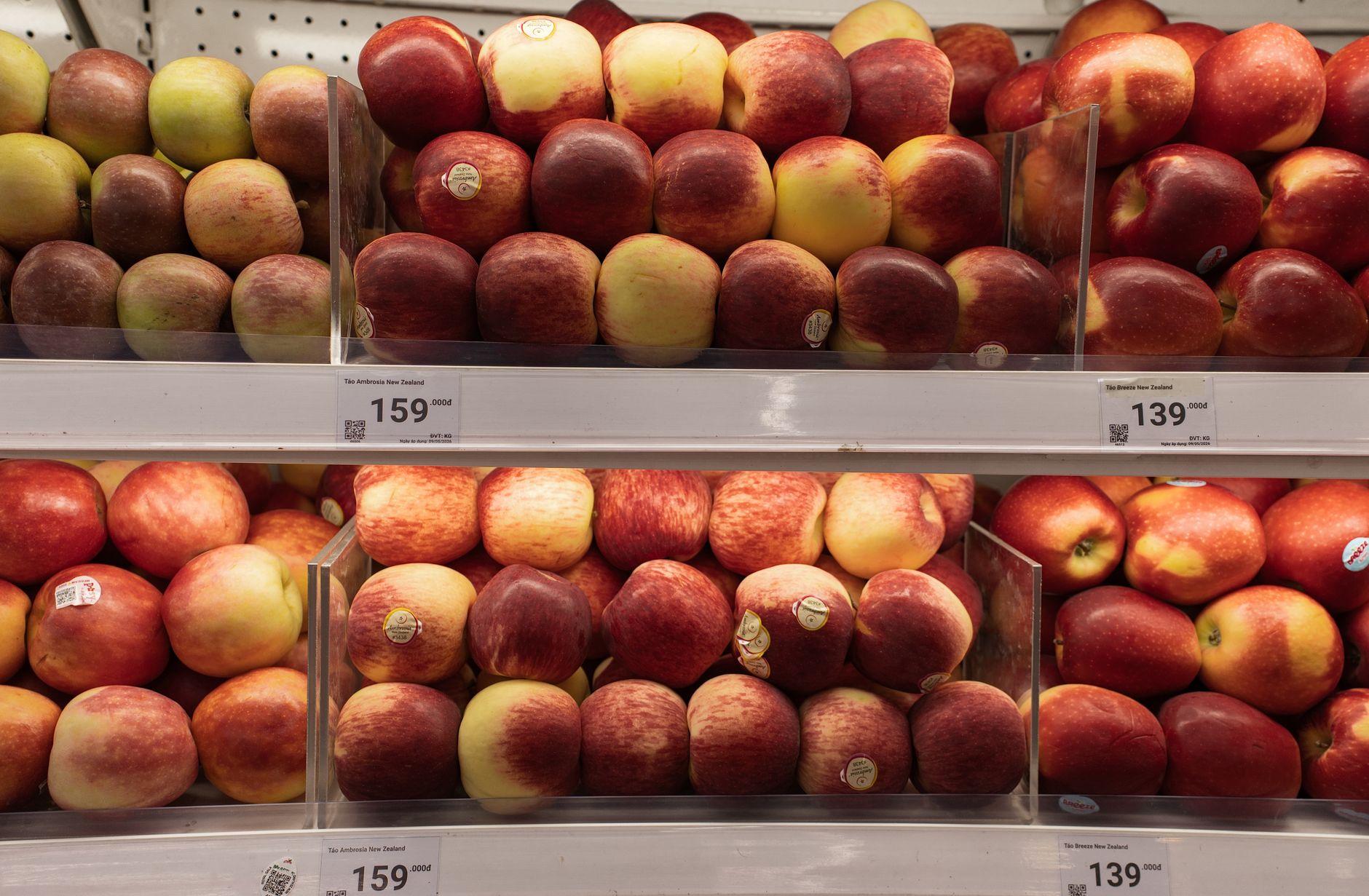
With their crisp texture and sweet-tart flavors, apples are a beloved fruit across the globe. Yet, not all apples are created equal when it comes to health benefits. Understanding which apples are the healthiest can help you make informed choices for snacking, cooking, and baking.
This comprehensive guide will explore the nutritional aspects of various apple varieties, how to incorporate them into your diet, and tips for selecting the best apples to enjoy their health benefits.
Which Apples Are the Healthiest?
The healthiest apple varieties are typically those high in fiber, antioxidants, and essential vitamins. Varieties like Fuji, Granny Smith, and Honeycrisp stand out for their nutritional profiles and health benefits. Each type offers unique flavors and textures, making them versatile for recipes and snacking.
Health Benefits of Apples
Consuming apples has been linked to numerous health benefits, making them a fruitful addition to any diet. Some of the key benefits include:
- High Fiber Content: Apples are a great source of dietary fiber, particularly in their skin. Fiber aids digestion, helps regulate blood sugar levels, and can contribute to feeling full longer.
- Rich in Antioxidants: Apples contain antioxidants such as quercetin and catechin, which help combat oxidative stress in the body and may lower the risk of chronic diseases.
- Vitamins and Minerals: Apples provide essential nutrients like vitamin C, potassium, and vitamin K, which are vital for overall health.
- Heart Health: Regular apple consumption is associated with lower cholesterol levels and improved heart health due to their fiber and antioxidant content.
- Weight Management: Apples are low in calories and high in water content, making them a satisfying snack for those looking to manage their weight.
Popular Apple Varieties and Their Nutritional Profiles
Here’s a breakdown of some of the most popular apple varieties and their unique health benefits:
1. Granny Smith Apples
Granny Smith apples are tart, green, and known for their crispness. They are low in sugar and high in fiber, making them excellent for those watching their sugar intake.
- Nutrition per medium apple (182g): Approximately 80 calories, 22g carbs, 3g fiber, and 11% of the daily recommended intake of vitamin C.
- Health Benefits: Their tart flavor makes them ideal for cooking and baking, and their low glycemic index helps regulate blood sugar levels.
2. Fuji Apples
Fuji apples are known for their sweetness and juiciness. A cross between Red Delicious and Ralls Janet apples, they are well-loved for snacking.
- Nutrition per medium apple (182g): Approximately 90 calories, 25g carbs, 4g fiber, and 8% of the daily recommended intake of vitamin C.
- Health Benefits: The sweetness of Fuji apples can satisfy cravings for sugary snacks, making them a healthier alternative.
3. Honeycrisp Apples
With their sweet and crisp texture, Honeycrisp apples are a favorite for fresh eating. They are a hybrid of the Keepsake and the HC (Honeycrisp) apple.
- Nutrition per medium apple (182g): Approximately 80 calories, 22g carbs, 4g fiber, and 10% of the daily recommended intake of vitamin C.
- Health Benefits: The juicy texture and sweetness make Honeycrisp apples ideal for salads and desserts.
4. Gala Apples
Gala apples are mildly sweet with a hint of vanilla flavor and a crisp texture, making them great for snacking and salads.
- Nutrition per medium apple (182g): Approximately 85 calories, 23g carbs, 4g fiber, and 7% of the daily recommended intake of vitamin C.
- Health Benefits: Their balanced sweetness and fiber content make them suitable for maintaining digestive health.
5. Red Delicious Apples
Famous for their deep red color, Red Delicious apples are often the choice for decoration and snacking due to their sweet flavor.
- Nutrition per medium apple (182g): Approximately 80 calories, 22g carbs, 3g fiber, and 7% of the daily recommended intake of vitamin C.
- Health Benefits: While they are lower in fiber compared to other varieties, they still offer antioxidants that promote overall health.
6. Braeburn Apples
With a mix of sweet and tart flavors, Braeburn apples are versatile for both raw and cooked dishes.
- Nutrition per medium apple (182g): Approximately 90 calories, 23g carbs, 4g fiber, and 10% of the daily recommended intake of vitamin C.
- Health Benefits: They are excellent in pies and crisps, where their flavor and texture shine.
How to Select the Healthiest Apples
Choosing the right apples can enhance your health benefits. Here are some tips for selecting the healthiest options:
- Look for firm apples: A good apple should be firm to the touch, indicating freshness.
- Avoid blemishes: Check apples for bruises or cuts, which can affect flavor and longevity.
- Choose organic if possible: Organic apples are less likely to have pesticide residues, making them a healthier choice.
- Season matters: Buy apples in season for peak freshness and flavor. In the U.S., fall is typically the best season for apples.
Incorporating Apples into Your Diet
There are numerous ways to enjoy apples, each allowing for a variety of flavors and culinary applications. Here are some suggestions:
- Snack on Them: Fresh apples make for a convenient and healthy snack. Pair them with nut butter for added protein and satisfaction.
- In Salads: Add sliced apples to salads to introduce sweetness and crunch. They pair well with greens, nuts, and cheese.
- Baking: Use firmer apple varieties like Granny Smith or Honeycrisp in pies and crumbles for their texture and flavor.
- Cooking: Cooked apples can be a tasty addition to pork dishes or used in side dishes like apple and cabbage slaw.
- Juicing and Smoothies: Blend apples into smoothies for natural sweetness or juice them for refreshing beverages.
Practical Tips for Storing Apples
The way you store apples affects their longevity and flavor. Follow these tips to keep your apples fresh:
- Refrigeration: Store apples in the crisper drawer of your fridge to prolong freshness, as cool temperatures help prevent spoilage.
- Keep Away from Other Fruits: Apples produce ethylene gas, which can cause other fruits to ripen and spoil faster. Store them separately.
- Check Regularly: Inspect your apples every few days and remove any that show signs of spoilage to prevent them from affecting others.
Common Mistakes When Using Apples
While apples are generally easy to use, some common mistakes can impact your culinary results. Here are a few to avoid:
- Choosing the Wrong Variety: Using a soft variety for baking may result in mushy textures. Choose firmer varieties for cooking.
- Overcooking Apples: When baking or cooking, avoid overcooking, which can lead to loss of flavor and texture.
- Not Washing Apples: Always wash apples before consuming them to remove any residues or contaminants.
Healthy Apple-Based Recipes to Try
To put your apples to good use, consider trying these healthy recipes:
Apple Salad with Walnuts and Feta
- Ingredients:
- 2 cups mixed greens
- 1 medium apple, thinly sliced
- 1/4 cup walnuts, chopped
- 1/4 cup feta cheese, crumbled
- 2 tablespoons balsamic vinaigrette
- In a large bowl, combine mixed greens, apple slices, walnuts, and feta cheese.
- Toss with balsamic vinaigrette before serving.
Baked Cinnamon Apples
- Ingredients:
- 4 medium apples, cored and sliced
- 1 tablespoon cinnamon
- 1 tablespoon honey (optional)
- Preheat the oven to 350°F (175°C).
- Place apple slices in a baking dish and sprinkle with cinnamon and honey.
- Bake for about 20-25 minutes or until apples are tender.
Conclusion
Choosing the healthiest apples for your diet can enhance your meals and snacks while providing numerous health benefits. From tart Granny Smiths to sweet Honeycrisps, the varieties cater to different tastes and culinary uses. By selecting fresh apples and incorporating them into diverse dishes, you can enjoy this nutritious fruit in many delightful ways.
Explore related recipes and cooking tips, such as the Amish Applesauce Cake recipe and Swedish Apple Cake recipe, to make the most of your apple experience.