
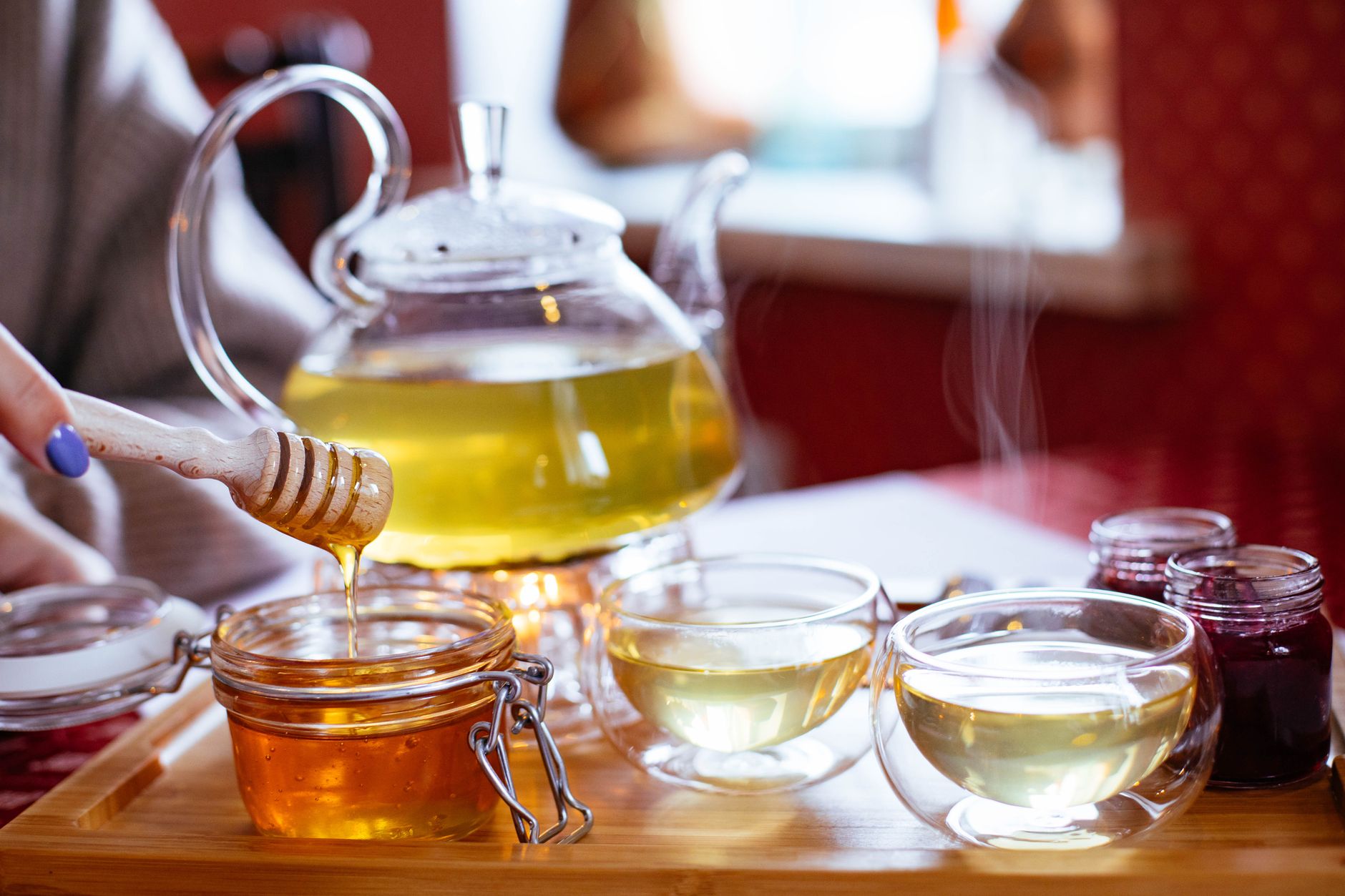
When feeling under the weather, a warm cup of tea can be comforting and soothing. Different types of tea offer various benefits, from alleviating symptoms of a cold to providing relaxation during stressful times. Choosing the right tea can be a vital step toward a speedy recovery, especially when combined with other supportive remedies.
This guide explores several types of tea to drink when sick, their nutritional properties, and dietary considerations to help you select the best choice based on your symptoms and preferences.
What Tea to Drink When Sick?
When you’re sick, herbal teas such as chamomile, ginger, peppermint, and lemongrass are excellent choices. Each of these teas has unique properties that can support your recovery, whether you’re dealing with a cold, flu, or digestive issues.
Understanding Herbal Teas and Their Benefits
Herbal teas are caffeine-free infusions made from various plants, including herbs, flowers, fruits, and spices. These teas often have medicinal properties that can help alleviate symptoms associated with illness.
Here’s a closer look at some popular herbal teas and their benefits:
1. Chamomile Tea
Chamomile tea is known for its calming effects and can promote relaxation and sleep—ideal during illness. Its anti-inflammatory and antibacterial properties may also help soothe sore throats and digestive upset.
- Preparation: Steep 1-2 tablespoons of dried chamomile flowers in boiling water for 5 to 10 minutes.
- Flavor: Floral and mildly sweet.
2. Ginger Tea
Ginger is a powerful anti-inflammatory and antioxidant, making ginger tea great for combating nausea and improving digestion. It can also help reduce cold and flu symptoms by boosting the immune system.
- Preparation: Slice fresh ginger root and steep in boiling water for 10 to 20 minutes. Sweeten with honey if desired.
- Flavor: Warm and spicy with a slight sweetness.
3. Peppermint Tea
Peppermint tea can relieve headaches and congestion by acting as a natural decongestant. It may also help soothe digestive troubles and reduce nausea.
- Preparation: Use fresh or dried peppermint leaves and steep in boiling water for 5 to 10 minutes.
- Flavor: Refreshingly minty with a cooling sensation.
4. Echinacea Tea
Echinacea is often used to prevent or shorten the duration of colds and infections. Drinking echinacea tea might help stimulate the immune system.
- Preparation: Steep dried echinacea flowers or leaves in boiling water for about 10-15 minutes.
- Flavor: Earthy and mildly sweet.
5. Lemon Balm Tea
Lemon balm is part of the mint family and is known for its calming effects. It can help reduce anxiety and promote sleep, making it a soothing nighttime drink when feeling ill.
- Preparation: Steep fresh or dried lemon balm leaves in boiling water for 10 minutes.
- Flavor: Mildly lemony and aromatic.
6. Honey and Lemon Tea
A classic combination, honey and lemon tea can soothe sore throats and provide hydration. Honey has antibacterial properties, while lemon provides vitamin C, boosting the immune system.
- Preparation: Mix the juice of half a lemon with hot water and add honey to taste.
- Flavor: Sweet with a tangy kick.
Nutrition and Dietary Considerations
While choosing tea to drink when sick, it’s essential to consider any dietary restrictions or needs. Here are some nutritional aspects and dietary considerations:
Herbal vs. Traditional Teas
While herbal teas are caffeine-free and often gentler on the stomach, traditional teas (like black or green tea) contain caffeine, which can be dehydrating. If you’re feeling ill, it may be best to stick with caffeine-free options.
Potential Allergens
Some herbal teas may contain allergens or cause sensitivities in certain individuals. Always check the ingredients list if you have allergies, particularly with blends that may include multiple components.
Chamomile and Allergies
If you’re allergic to plants in the ragweed family, avoid chamomile tea. It can trigger allergic reactions in those individuals.
Ginger and Medication Interactions
Ginger may interact with blood thinners or other medications; consult a healthcare provider if you’re on medication and consider drinking ginger tea.
Hydration
Staying hydrated is crucial when sick. Herbal teas can be an excellent way to increase fluid intake while providing additional soothing benefits. Avoid tea heavily laden with sugar, as it can cause further dehydration.
Effects of Temperature
Drinking warm—not scalding—tea can help soothe sore throats and promote nasal drainage. However, avoid beverages too hot, as they can irritate the throat further.
Preparing Your Tea
Making a comforting cup of tea is straightforward. The key is keeping the tea’s strength balanced and ensuring the brewing method aligns with the type of tea you’re using. Here are general steps to prepare your herbal tea:
- Measure Ingredients: Use 1-2 teaspoons of dried herbs or 1-2 tablespoons of fresh herbs per cup of water.
- Boil Water: Bring water to a rolling boil. For delicate herbs like chamomile, allow the water to cool slightly to avoid scalding the leaves.
- Steep: Pour boiling water over the herbs in a teapot or cup and cover. Let steep for the appropriate time, usually between 5-15 minutes.
- Strain: Remove the herbal matter using a strainer or tea infuser.
- Sweeten and Serve: Optionally add sweeteners like honey or lemon to taste. Serve warm and enjoy.
Common Mistakes When Preparing Tea
Even a simple cup of tea can go wrong with these common mistakes:
- Brewing Too Long: Over-steeping tea can make it bitter and astringent.
- Using Water That’s Too Hot: Delicate herbs may get scorched by boiling water, losing their flavor.
- Not Straining Properly: Leaving herbs or leaves in your brew can make it overly bitter.
- Buying Poor Quality Ingredients: Freshness impacts flavor. Choose high-quality herbs from reputable sources.
Storing Herbal Teas
Proper storage of loose herbal teas and tea bags is essential to maintain flavor and potency:
- Keep Cool and Dark: Store tea in a cool, dark place to prevent flavor degradation from light and heat.
- Airtight Containers: Use airtight containers to keep moisture away; jars or tea tins are suitable.
- Check Expiry Dates: Herbal teas may lose potency and flavor over time. Check expiration dates and rotate stock as needed.
Variations and Substitutions
Tea is versatile; you can experiment with different flavors and ingredients:
Sweeteners
If you’re adding sweetness, consider various natural sweeteners like:
- Maple Syrup: A different flavor profile with health benefits.
- Agave Syrup: Lower-glycemic alternative to honey.
- Stevia: A zero-calorie natural sweetener for those watching sugar intake.
Spices and Additions
Add spices for extra benefits:
- Cinnamon: Can help regulate blood sugar and has anti-inflammatory properties.
- Turmeric: Offers potent anti-inflammatory benefits; pair with black pepper for better absorption.
- Lemon or Lime Juice: Fresh citrus adds vitamin C and brightens flavor.
Summary of Best Teas to Drink When Sick
When feeling unwell, select teas based on your symptoms:
- For relaxation: Choose chamomile or lemon balm.
- For nausea: Opt for ginger or peppermint.
- For immune support: Echinacea and ginger are excellent choices.
The nutritional benefits of these teas can provide comfort, hydration, and symptom relief. Always listen to your body and adjust based on your individual reactions and preferences.
Finding the right tea can help improve your symptoms and comfort level while on the road to recovery. Consider experimenting with different combinations to find your perfect blend.
If you’re searching for additional tea ideas, consider trying a soothing dandelion tea recipe or learn about the benefits of spearmint tea.