
There’s something magical about the sizzle of a petite sirloin steak hitting a hot cast iron skillet, especially when you know you’re about to create a restaurant-quality meal in your own kitchen. This cut is often overlooked in favor of pricier steaks, yet it delivers bold beef flavor and a tender bite that rivals much more expensive options.
The petite sirloin steak deserves a place on your weeknight dinner rotation because it cooks quickly, costs far less than ribeye or filet mignon, and still impresses everyone at the table. With the right technique, you’ll have a perfectly seared exterior and a juicy, flavorful interior in under 20 minutes from start to finish.
Why You’ll Love This Recipe
This recipe transforms an underrated cut into something truly special without fancy equipment or complicated steps.
- Budget-friendly yet tastes like a steakhouse splurge
- Ready in under 20 minutes total
- Simple seasoning lets the beef shine
- Works perfectly for weeknight dinners or entertaining guests
- Teaches you a skill that works with any steak you buy
My Experience Making This Recipe
I first embraced the petite sirloin after a grocery store sale caught my eye. I grabbed two steaks and committed to mastering the cut rather than settling for mediocre results.
My first attempt was honestly forgettable, mainly because I let the meat come to room temperature but then rushed it into a cold pan. The second time, I followed a proper searing method and the difference was night and day.
The steak developed this gorgeous brown crust while staying pink in the center, and my dinner guests actually asked what fancy restaurant I’d stolen the recipe from. Now I make this at least twice a month, and I’ve converted several skeptics who thought petite sirloin was beneath them.
Recipe Overview
- Recipe Name: Pan-Seared Petite Sirloin Steak with Garlic Butter
- Servings: 2
- Prep Time: 10 minutes
- Cook Time: 12 minutes
- Total Time: 22 minutes
- Course: Main Course
- Cuisine: American
- Calories per Serving: 380
Equipment You Will Need
- Cast iron skillet or heavy-bottomed stainless steel pan
- Paper towels
- Tongs
- Instant-read meat thermometer
- Cutting board
- Small bowl for garlic butter
- Spoon or basting brush
Ingredients for Petite Sirloin Steak
- 2 petite sirloin steaks (6 to 8 ounces each, about 1.5 inches thick)
- Kosher salt (to taste)
- Freshly ground black pepper (to taste)
- 2 tablespoons butter (divided)
- 3 cloves garlic (minced)
- 2 sprigs fresh thyme (or 1/2 teaspoon dried thyme)
- 1 tablespoon olive oil
Ingredient Notes and Substitutions
- Petite sirloin steaks: This cut comes from the bottom sirloin and offers a leaner profile with solid beef flavor. You can substitute with sirloin tip steak, but expect slightly less tenderness.
- Kosher salt: It dissolves evenly and seasons more predictably than table salt. Sea salt works equally well if you prefer it.
- Butter: Salted or unsalted both work, but unsalted gives you control over final seasoning. If using salted, reduce added salt slightly.
- Fresh thyme: This herb adds earthy depth to the butter and complements beef beautifully. Rosemary or oregano work in a pinch, though the flavor profile shifts.
- Olive oil: Its higher smoke point makes it ideal for the initial searing. Vegetable or avocado oil are solid alternatives.
How to Make Petite Sirloin Steak
Step 1: Remove Steaks From Refrigeration
Take your petite sirloin steaks out of the refrigerator 15 minutes before cooking. Cold meat won’t develop a proper brown crust because the exterior takes too long to reach the right temperature, pulling heat away from the searing process.
Step 2: Dry the Steaks Thoroughly
Pat both steaks completely dry using paper towels, pressing firmly to remove all surface moisture. Water on the surface creates steam, which prevents the crust from forming and instead boils the meat.
Step 3: Season Generously
Sprinkle kosher salt and freshly ground black pepper on both sides of each steak. Season right before cooking, not hours ahead, because salt draws out moisture if it sits too long.
Step 4: Heat Your Pan Until It Smokes
Place your cast iron skillet over medium-high heat and let it warm for 2 to 3 minutes until you see a wisp of smoke rising from the surface. A properly hot pan is non-negotiable for achieving that restaurant-quality brown crust.
Step 5: Sear the First Side
Add the olive oil to the hot pan and immediately lay both steaks away from you (this prevents splashing). Leave them untouched for 4 minutes so they develop a deep brown crust without being jostled around.
Step 6: Flip and Sear the Second Side
Using tongs, flip each steak once and sear for another 4 minutes on the second side. Do not poke, press, or flip repeatedly, as this interrupts the browning process and squeezes out juices you want to keep inside.
Step 7: Add Garlic Butter and Herbs
Reduce heat to medium and push the steaks to the side of the pan. Add 1 tablespoon butter to the empty space, then add minced garlic and thyme sprigs, letting them toast for about 30 seconds until fragrant.
Step 8: Baste and Check Temperature
Tilt the pan slightly so the foaming garlic butter pools toward the steaks, then use a spoon to continuously baste the meat for 2 minutes. This final step adds richness and carries the garlic flavor right into the surface while you monitor the internal temperature.
Insert an instant-read thermometer into the thickest part of one steak without touching bone. For medium-rare, aim for 130 to 135 degrees Fahrenheit, which will climb a few degrees more as it rests.
Step 9: Rest the Steaks
Transfer the steaks to a warm plate and dot each one with the remaining half tablespoon of butter. Let them rest for 5 minutes before serving, allowing the muscle fibers to relax and reabsorb the juices that rose to the surface during cooking.
Pro Tip: Do not skip the resting period, no matter how hungry you are. A five-minute rest makes the difference between a juicy steak and a dry one that bleeds all over your plate.
Tips for the Best Petite Sirloin Steak
- Buy steaks that are at least 1.5 inches thick, as thinner cuts overcook too quickly before developing a proper crust. Thicker steaks are more forgiving and stay juicier inside.
- Bring your pan to full heat before adding oil, then wait just a few seconds for the oil to shimmer before adding the steak. The timing matters because too-hot oil smokes excessively, while oil that’s not hot enough fails to sear.
- Trust your meat thermometer over time estimates, since every pan and stove behaves differently. Each kitchen has variables that affect cooking speed, so temperature is your most reliable guide.
- Don’t be tempted to flip the steak more than once on each side, even if you’re curious about the crust. Multiple flips actually reduce browning and extend cook time unnecessarily.
- Use a cast iron skillet when possible because it retains heat far better than thin stainless steel and delivers more even browning. If you don’t own one, a heavy-bottomed stainless steel pan works, just watch more closely for hot spots.
- Save the pan drippings after plating, as they make an incredible sauce when mixed with a splash of beef broth or red wine. This simple step turns a good steak into something restaurant-worthy.
Common Mistakes to Avoid
- Cooking from a cold start: Bringing steaks straight from the fridge to the pan prevents proper browning and results in gray, unappetizing meat. Always let them sit out for 15 minutes.
- Skipping the dry step: Moisture is the enemy of browning, so any water on the surface dramatically slows crust development. This is the single most-skipped step that causes disappointing results.
- Using too much salt too early: Oversalting an hour ahead draws moisture out and toughens the meat unnecessarily. Season just before cooking for the best texture.
- Cutting into the steak to check doneness: Each cut releases precious juice and leaves dry channels inside the meat. An instant-read thermometer costs fifteen dollars and eliminates guesswork forever.
- Skipping the rest: Cutting into a steak immediately after cooking lets all the hot juice pour out onto the plate instead of staying in the meat. Those five minutes make a tangible difference in juiciness.
Serving Suggestions
A perfectly seared petite sirloin needs smart sides that complement the rich, beefy flavor without overshadowing it. Think simple, classic, and let the steak be the star.
- Creamed spinach with garlic and nutmeg for an elegant, restaurant-style presentation
- Crispy roasted potatoes with rosemary and sea salt for a hearty, comforting meal
- Buttered asparagus with lemon juice for bright acidity that cuts through the richness
- A simple green salad with Dijon vinaigrette to add freshness and balance
- Grilled corn with herb butter for a summery barbecue vibe
Variations to Try
- Coffee-Rubbed Petite Sirloin: Mix ground coffee, brown sugar, smoked paprika, and cumin into a dry rub before cooking. The coffee adds depth and slight bitterness that enhances the beef’s natural flavors without making the steak taste like coffee.
- Asian-Inspired Steak: Baste with a mixture of soy sauce, ginger, and sesame oil during the final minute instead of garlic butter. This transforms the flavor profile to something more savory and umami-forward.
- Chimichurri Steak: Skip the garlic butter and serve the finished steak topped with fresh chimichurri made from parsley, cilantro, garlic, olive oil, and red wine vinegar. The bright acidity and herb flavor feel completely different while letting the steak shine.
- Peppercorn-Crusted Version: Press freshly cracked peppercorns onto both sides after seasoning with salt. This creates a crunchy, spicy crust that adds textural contrast and bold flavor.
- Steak with Red Wine Reduction: After removing the steaks, deglaze the hot pan with a splash of red wine, scraping up browned bits, then simmer until syrupy. This quick sauce adds elegance without much extra effort.
Dietary Adaptations
- Gluten-free: This recipe is naturally gluten-free as written, since it contains only meat, butter, oil, and seasonings. No modifications needed.
- Dairy-free: Replace the butter with ghee or extra-virgin olive oil for basting, though you’ll lose some richness. The steak still tastes great, just less luxurious.
- Keto and Low-carb: Petite sirloin is perfect for these diets, containing zero carbs and solid protein content. Serve with cauliflower mash or zucchini noodles instead of potatoes.
- Vegan and Vegetarian: This recipe cannot be adapted for plant-based diets since the core ingredient is beef. Consider substituting with a hearty portobello mushroom or cauliflower steak seared with the same method.
Storage and Reheating
Refrigerator
Store leftover cooked steaks in an airtight container for up to 3 days. Cold steak is excellent sliced thin over salads or served with mustard as a sandwich.
- Keep steaks whole rather than cutting them until you’re ready to eat
- Store separately from sauces to prevent them from becoming soggy
- Let them come to room temperature before eating cold, about 15 minutes
Freezer
Wrap cooked steaks tightly in plastic wrap, then place in a freezer bag for up to 2 months. Freezing causes some texture loss, so this works best for steaks you’ll shred for tacos or chop for steak salads.
- Remove as much air as possible to prevent freezer burn
- Label with the date so you don’t forget how long they’ve been frozen
Reheating
The best way to reheat steak is in a 350-degree oven for 8 to 10 minutes until warmed through. This method heats gently without overdrying the meat the way a microwave would.
- Place steak on a baking sheet and tent loosely with foil
- For a quicker method, reheat briefly in a hot skillet over medium heat, about 2 minutes per side
- Never microwave, as it toughens the meat dramatically
Nutrition Information
| Nutrient | Amount |
|---|---|
| Calories | 380 |
| Total Fat | 24g |
| Saturated Fat | 10g |
| Carbohydrates | 0g |
| Fiber | 0g |
| Sugar | 0g |
| Protein | 42g |
| Sodium | 520mg |
| Cholesterol | 95mg |
Nutritional values are approximate and calculated per cooked steak using standard USDA data for petite sirloin. Values vary depending on exact thickness, fat content, and cooking method.
Frequently Asked Questions
Can I Make This Recipe With Frozen Steaks?
You can, but thawing first gives much better results because frozen steaks take longer to develop a crust and often cook unevenly. If you’re in a hurry, thaw under cool running water for 30 minutes or use the defrost setting on your microwave.
What’s the Difference Between Petite Sirloin and Regular Sirloin?
Petite sirloin is cut from the bottom sirloin, making it smaller and more tender than regular sirloin, which comes from higher up. It’s leaner than regular sirloin, so it can dry out if overcooked, which is why hitting the right temperature matters.
How Do I Know If My Steak Is Medium-Rare?
Use an instant-read thermometer inserted into the thickest part and look for 130 to 135 degrees Fahrenheit. Remember the meat continues cooking as it rests, so pull it off the heat a few degrees before your target temperature.
Can I Make This in the Oven Instead of On the Stovetop?
You can sear in a cast iron pan on the stovetop, then finish in a 400-degree oven for 5 to 7 minutes, which works well for thicker steaks. The stovetop method described here is faster and simpler for the thin, tender petite sirloin.
Why Does My Steak Come Out Tough?
Overcooking is the most common culprit, so use a thermometer rather than guessing based on time. The second reason is not resting the steak after cooking, which allows the juices to redistribute and keeps the meat tender.
Is Petite Sirloin Healthy?
Yes, petite sirloin is leaner than many premium steaks, offering solid protein with moderate fat content. It’s a nutritious choice for anyone who enjoys beef without wanting the highest fat content.
Final Thoughts
The petite sirloin deserves respect and recognition as a legitimate steak that outperforms its price tag. Once you nail this simple technique, you’ll make it regularly and wonder why you ever overlooked this budget-friendly gem.
Try this recipe this week and taste the difference that proper heat, a good pan, and a simple technique make. You’ve got all the knowledge you need to impress yourself and anyone lucky enough to sit at your table.
If you enjoyed this recipe and want to explore more savory beef dishes, check out our hamburger steak recipe for a comforting weeknight classic. You might also love our steak Alfredo recipe for a decadent twist on creamy pasta with tender beef.
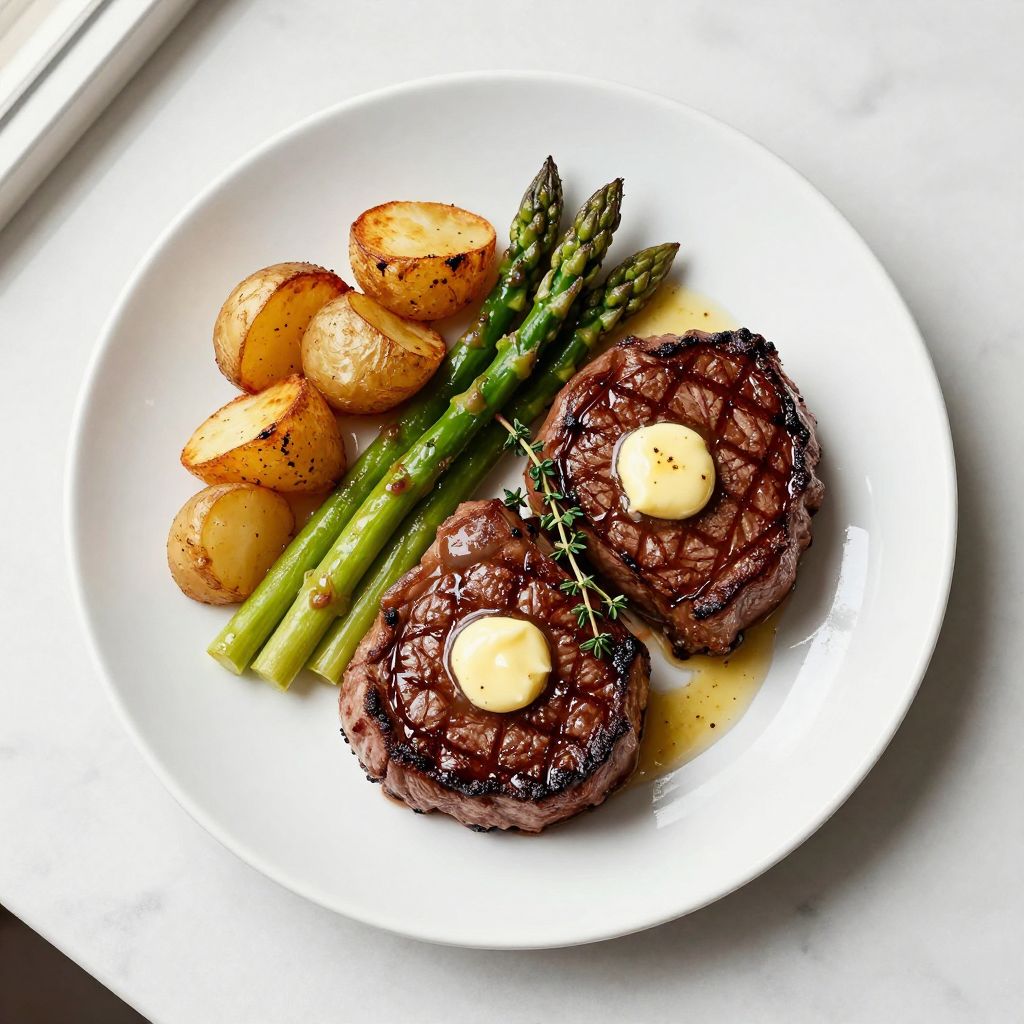
Pan-Seared Petite Sirloin Steak with Garlic Butter
Ingredients
Equipment
Method
- Remove steaks from the refrigerator and let them sit at room temperature for 15 minutes.
- Pat steaks dry thoroughly with paper towels to remove all surface moisture.
- Season both sides of the steaks generously with kosher salt and freshly ground black pepper.
- Heat the skillet over medium-high heat for 2 to 3 minutes until a wisp of smoke appears.
- Add 1 tablespoon olive oil to the hot pan and lay steaks away from you; sear the first side for 4 minutes without moving.
- Flip the steaks using tongs and sear the second side for 4 minutes.
- Reduce heat to medium, push steaks to the side, add 1 tablespoon butter, minced garlic, and thyme; cook for 30 seconds.
- Tilt the pan and baste steaks with the garlic butter for 2 minutes, then check the internal temperature aiming for 130–135°F for medium-rare.
- Transfer steaks to a warm plate, top with remaining 1 tablespoon butter, and let rest for 5 minutes before serving.