
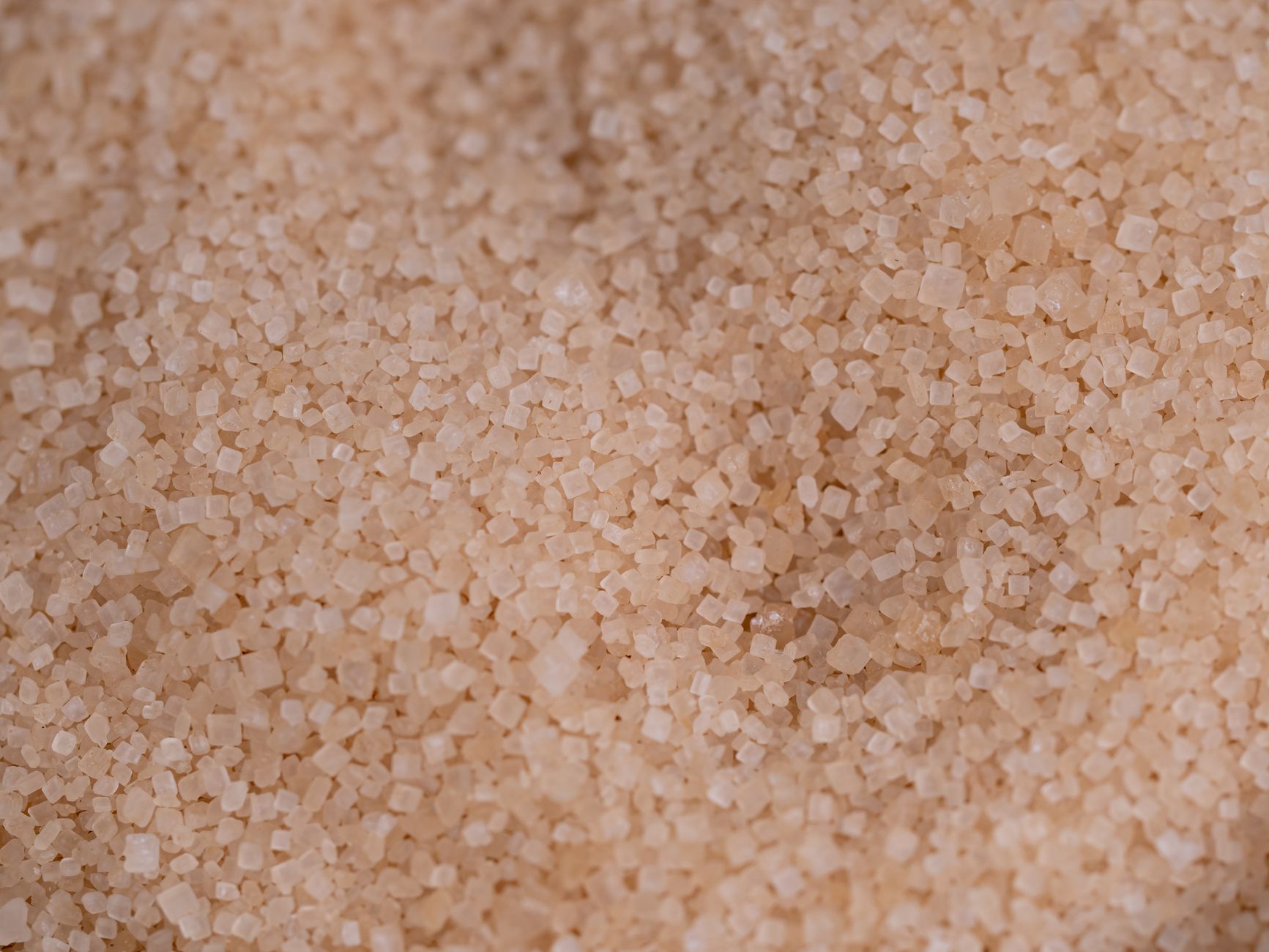
Cane sugar, commonly used as a sweetener in various culinary applications, has a rich history and unique production process that sets it apart from other sugars. Understanding what cane sugar is made of can enhance your appreciation for this ingredient and may influence how you choose to use it in your cooking and baking.
This article explores the composition of cane sugar, its production process, and its culinary uses. We’ll also discuss how it differs from other sugars and provide tips on how to incorporate it effectively into your meals and baked goods.
What Is Cane Sugar Made Of?
Cane sugar is primarily made from the juice extracted from sugarcane, a tall grass native to tropical regions. The composition of cane sugar is primarily sucrose, which is a disaccharide formed from glucose and fructose. Sucrose is the primary sugar found in many plants and is widely utilized in cooking due to its sweet flavor and functional properties.
The production of cane sugar involves several steps, including extraction, purification, evaporation, crystallization, and drying. These processes transform the raw juice into the granulated form commonly found in stores.
Understanding the Production Process
The journey of cane sugar from the sugarcane plant to your kitchen can be broken down into several key stages:
- Harvesting: Sugarcane is harvested when the sugar content is at its peak, typically when the plant is around 12 to 18 months old. The cane stalks are cut down and transported to processing facilities.
- Extraction: The harvested cane is crushed to extract the juice. This juice contains not only sucrose but also other components, including water, minerals, and molasses.
- Purification: The extracted juice undergoes a series of treatments to remove impurities. This often involves the addition of lime and heat, which helps to clarify the juice by separating solids.
- Evaporation: The purified juice is then boiled to evaporate excess water, concentrating the sugar content. The resulting syrup is thick and rich in sucrose.
- Crystallization: Further cooling leads to the formation of sugar crystals. By controlling temperature and time, manufacturers can harvest sugar crystals of desirable sizes.
- Drying: Finally, the sugar crystals are dried to remove any remaining moisture, ensuring a stable product that can be stored and shipped.
The Chemical Composition of Cane Sugar
The main chemical component of cane sugar is sucrose, which makes up about 95% of its composition. The remaining percentage includes water, trace minerals, and components derived from the processing stages, including:
- Trace Minerals: These include calcium, potassium, and magnesium, which are naturally present in sugarcane juice.
- Molasses: This is a byproduct of sugar processing that contains some of the dissolved components that did not crystallize. Molasses is rich in vitamins and minerals but is usually removed during the sugar refining process.
- Color Compounds: Some residual colorants from the cane may remain in less-refined cane sugars, which enhances their flavor and can provide a golden or brown hue.
Types of Cane Sugar
Cane sugar comes in various forms, each with distinct uses in cooking and baking:
- Granulated Sugar: This is the most common form of sugar used in everyday cooking and baking. It dissolves easily and is versatile for most recipes.
- Brown Sugar: Brown sugar is essentially granulated sugar mixed with molasses. It delivers a richer flavor and adds moisture to recipes, making it ideal for cookies and sauces.
- Raw Sugar: Sometimes referred to as “turbinado sugar,” this type is slightly less processed than white sugar, retaining some molasses for flavor. It appears in larger crystals and is often used as a topping for baked goods.
- Confectioners’ Sugar: Also known as powdered sugar, this form is granulated sugar that has been finely ground and mixed with a small amount of cornstarch to prevent clumping. It’s frequently used in frostings and decorative toppings.
Flavor and Uses of Cane Sugar in Cooking
Cane sugar’s sweet flavor profile makes it a key ingredient in a variety of culinary applications. It also contributes texture, color, and moisture to food. Here are some common uses for cane sugar:
Baking
In baking, cane sugar not only sweetens but also influences the chemical reactions that occur during the baking process. For instance:
- Texture: Sugar helps to create a tender crumb in cakes and cookies by interfering with gluten formation.
- Leavening: When creamed with butter, sugar helps to incorporate air, aiding in the leavening process for cakes.
- Moisture Retention: Sugar draws moisture, keeping baked goods fresher longer, and contributes to a desirable chewy texture in cookies.
Cooking
Cane sugar is frequently used in sauces, marinades, and glazes. It balances acidity and bitterness in dishes, enhancing flavors. It can also be used to create caramel or to soften savory sauces.
Preserving
In preserving fruit, cane sugar acts as a preservative, helping to inhibit microbial growth and prolong shelf life. It’s commonly used in jams, jellies, and chutneys.
Substituting Cane Sugar
While cane sugar is a staple ingredient, there are instances when you might seek alternatives due to dietary restrictions or flavor preferences. Here are some common substitutes and considerations:
Alternative Sweeteners
- Brown Sugar: Brown sugar can be used as a one-to-one substitute for granulated cane sugar, imparting a different flavor due to its molasses content.
- Honey: Honey is sweeter than cane sugar, so you may need less. Use about ¾ cup of honey for every cup of sugar while reducing liquids in your recipe.
- Agave Nectar: Agave nectar is also sweeter and has a lower glycemic index than cane sugar, but should be used sparingly to prevent your dish from becoming too liquidy.
- Coconut Sugar: This can be substituted one-to-one for cane sugar but has a slight caramel flavor.
Considerations for Substitutes
When substituting cane sugar, keep in mind that some alternatives may alter the flavor, color, or texture of the final product. Adjust baking times and temperatures as needed, and consider the additional moisture that liquid sweeteners may introduce.
Common Mistakes and Troubleshooting
When working with cane sugar, various issues can arise. Here are common mistakes and solutions to ensure your culinary success:
- Overmixing: When baking, overmixing sugar with flour can result in tough baked goods. Mix only until just combined for best results.
- Incorrect Measuring: Using volume measurements (e.g., cups) instead of weight can lead to inconsistencies. Weighing sugar provides a more accurate measurement.
- Not Adjusting for Substitutions: If you substitute cane sugar, make sure to adjust other ingredients accordingly to maintain balance in moisture and sweetness.
Storage and Shelf Life of Cane Sugar
Proper storage of cane sugar is essential to maintain its quality over time. Here are some tips:
- Keep it Sealed: Store cane sugar in an airtight container to protect it from moisture and pests.
- Cool, Dry Place: Keep sugar away from heat sources, moist areas, and direct sunlight to prevent clumping and loss of sweetness.
- Shelf Life: When stored properly, granulated sugar can last indefinitely. However, brown sugar can harden and become less usable if exposed to air. To soften it, wrap it in a damp paper towel and microwave for a few seconds.
Conclusion
Cane sugar is a versatile and essential ingredient in various culinary applications, from baking to cooking. Understanding what cane sugar is made of and how to utilize it effectively can impact not only the flavor and texture of your dishes but also your overall cooking experience. Whether you’re selecting cane sugar in a recipe or experimenting with substitutes, this knowledge equips you to make informed decisions in the kitchen.
To explore more about ingredients such as molasses, check out what is molasses made from or learn how to make maple syrup. Each ingredient offers unique qualities that can enhance your culinary creations.