
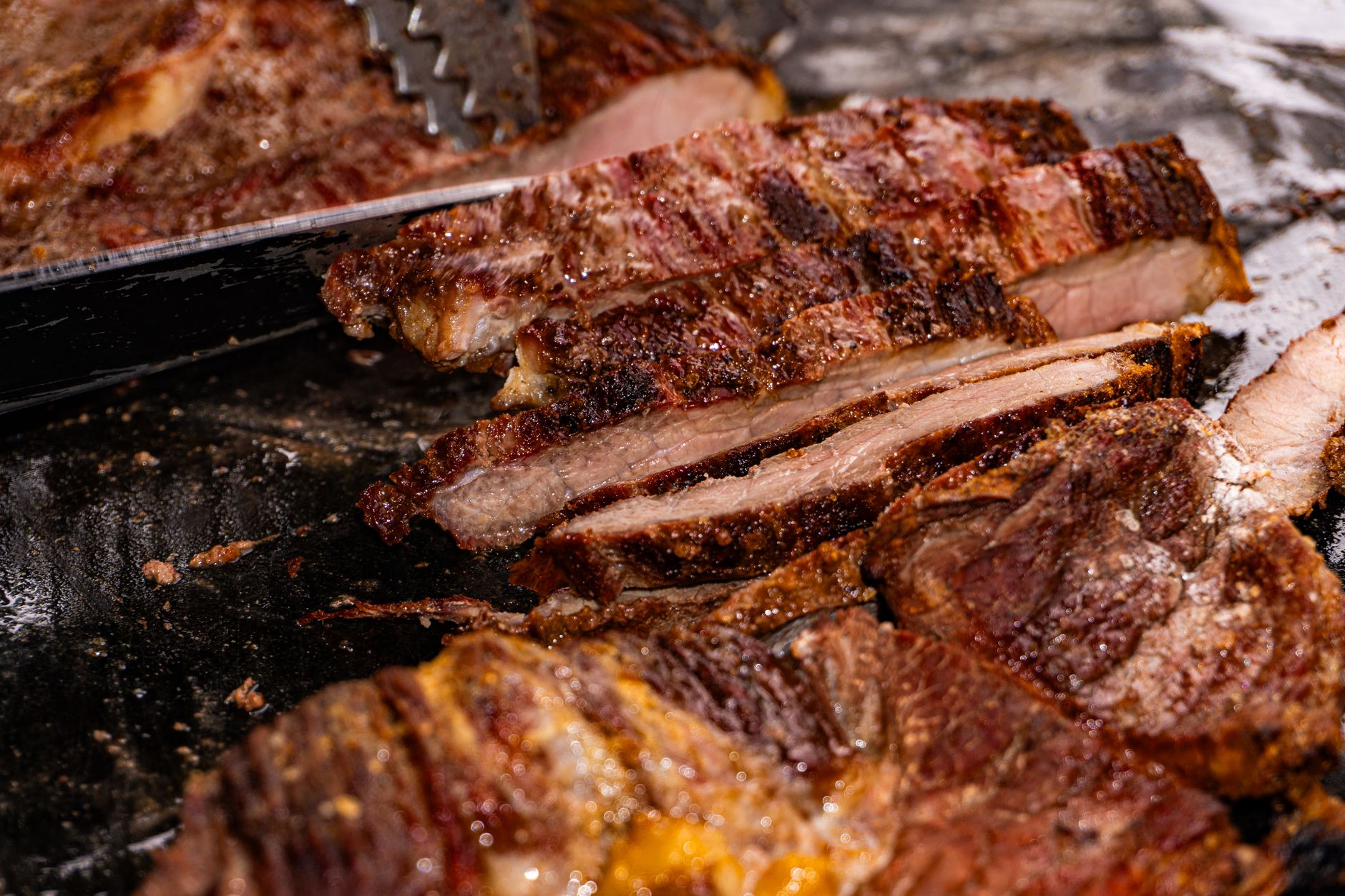
Steak is a popular choice for many protein lovers, appreciated for its rich flavor, tenderness, and versatility in various cuisines. However, if you’re monitoring your calorie intake or planning meals, understanding the calorie content of steak is essential. This article explores how many calories are in different types of steak, their nutritional benefits, serving sizes, and tips for cooking and enjoying this delicious cut of meat.
Whether you prefer a juicy ribeye or a lean filet mignon, it’s important to know how these choices fit into your daily dietary requirements. We will cover the calorie content of various steaks, portion sizes, and some helpful information on nutrition and cooking methods to ensure you can enjoy steak while staying within your desired calorie range.
How Many Calories Is Steak?
The calorie content of steak can vary significantly based on the cut and preparation method. Generally, a 3-ounce serving of cooked beef steak ranges from about 200 to 300 calories. Leaner cuts, such as sirloin or filet mignon, typically have fewer calories than fattier cuts like ribeye or T-bone. The precise calories can also change depending on how the steak is cooked and any additional ingredients used during preparation.
Caloric Breakdown by Cut
Different cuts of steak come with varying fat levels, which influences their calorie count. Here’s a breakdown of popular steak cuts and their average calorie content per 3-ounce cooked portion:
- Filet Mignon: 210-250 calories
- Sirloin Steak: 180-250 calories
- Ribeye Steak: 290-350 calories
- T-Bone Steak: 250-300 calories
- Flank Steak: 220-280 calories
- Skirt Steak: 240-250 calories
Factors Affecting Caloric Content
While portion size and cut dictate the caloric content, several factors can further influence how many calories you consume:
- Marbling: Steaks with higher marbling (the white streaks of fat throughout the meat) tend to be more flavorful but also higher in calories.
- Cooking Method: Cooking steak with added fats (like oil or butter) or using frying methods will increase the overall calorie count compared to grilling or broiling without additional fat.
- Seasonings and Sauces: Any sauces or seasonings can add calories. For instance, a rich chimichurri or a creamy steak sauce will increase your calorie intake.
Portion Sizes
Understanding portion sizes is crucial for accurate calorie tracking. A standard serving size of steak is typically 3 ounces, which is about the size of a deck of cards. However, many restaurants and homes serve much larger portions, often in the range of 6 to 12 ounces. If you’re watching your calorie intake, it’s beneficial to keep an eye on portion sizes and adjust accordingly.
Nutritional Value of Steak
Steak is not just about calories; it’s also a good source of vitamins and minerals:
- Protein: Steak is rich in high-quality protein, providing essential amino acids important for muscle growth and repair.
- Iron: Beef is a significant source of heme iron, which is more readily absorbed by the body compared to plant-based sources.
- Zinc: A vital mineral that supports immune function and is found in high amounts in red meat.
- B Vitamins: Steak is a source of various B vitamins, particularly B12, which is crucial for energy production and neurological function.
Choosing Healthier Cuts
If you wish to enjoy steak while being mindful of fat and calorie intake, consider these leaner cuts:
- Sirloin: Offers a good balance of flavor and less fat.
- Tenderloin: One of the leanest cuts with a buttery texture.
- Flank: Low in fat and high in protein, great for marinating and grilling.
Cooking Techniques and Their Effects on Calories
How you cook steak can significantly affect its caloric content. Here are some popular cooking methods:
Grilling
Grilling steak is a popular option that largely preserves the flavor without adding excessive fat. Placing steak over a grill allows the fat to drip away, resulting in a lower calorie dish. To enhance the taste, marinate or season prior to grilling, but be cautious of high-calorie marinades.
Pan-frying
This method often involves adding oil or butter, increasing the calorie content. To minimize extra calories, use a non-stick pan and reduce the amount of added fat. Cooking at high temperatures can also lead to more fat rendering, so keep heat moderate.
Broiling
Broiling is similar to grilling and also allows fat to escape from the steak. It’s a straightforward way to cook steak while keeping calories lower than frying. Just like grilling, ensure to keep an eye on it to avoid overcooking.
Serving Suggestions for Steak
Pairing steak with the right sides can elevate your meal without overwhelming it with extra calories. Consider these healthier options:
- Vegetables: Grilled, steamed, or roasted vegetables are excellent, nutrient-dense side dishes.
- Salads: A light salad with vinaigrette provides freshness and complements steak well.
- Whole Grains: Options like quinoa or brown rice add fiber and nutrients without drastically increasing calorie counts.
Making Steak Part of Your Meal Plan
Incorporating steak into a balanced diet can be effective when planned appropriately. Here are some tips for meal planning:
Portion Control
As mentioned earlier, monitor your portion sizes. Stick to a serving size around 3-4 ounces and fill your plate with plenty of veggies.
Batch Cooking
Prepare larger cuts of steak and portion them out for meals throughout the week. Grilled steak can be used in salads, stir-frys, or tacos.
Pairing Wisely
Choose nutrient-dense sides that don’t add too many calories. Aim for a plate that includes plenty of greens for fiber and vitamins.
Common Mistakes and Troubleshooting
Even experienced cooks may make mistakes when preparing steak. Here are common pitfalls and how to avoid them:
- Overcooking: Use a meat thermometer to check for doneness. Aim for:
- Rare: 125°F
- Medium Rare: 135°F
- Medium: 145°F
- Medium Well: 150°F
- Well Done: 160°F and above
- Not resting the meat: Allow steak to rest for about 5-10 minutes after cooking to retain juices.
- Using the wrong seasoning: Avoid heavy sauces that can add unnecessary calories. Stick with herbs, salt, and pepper for flavor.
Storage and Reheating Guidelines
Proper storage and reheating are important for maintaining the quality and safety of cooked steak:
- Refrigeration: Cooked steak can be stored in the refrigerator for up to 3-4 days. Ensure it is in an airtight container.
- Freezing: For longer storage, freeze cooked steak for up to 6 months. Wrap it tightly in plastic wrap or aluminum foil before placing it in a freezer-safe bag.
- Reheating: Reheat steak gently in the oven at a low temperature to prevent it from drying out. Aim for around 250°F until warmed through.
Conclusion
Steak can be a delicious and nutritious part of your diet when planned properly. Knowing the calorie content of different cuts, controlling portion sizes, and adhering to cooking methods can help you enjoy steak while being mindful of your overall nutritional goals. Next time you prepare steak, consider how it fits into your meal plan and explore leaner cuts or healthier sides.
If you’re interested in learning about different steak cuts, check out what is a flat iron steak or for nutritional information, how much protein is in ground beef. Explore these to further enhance your knowledge and enjoyment of this versatile protein.