
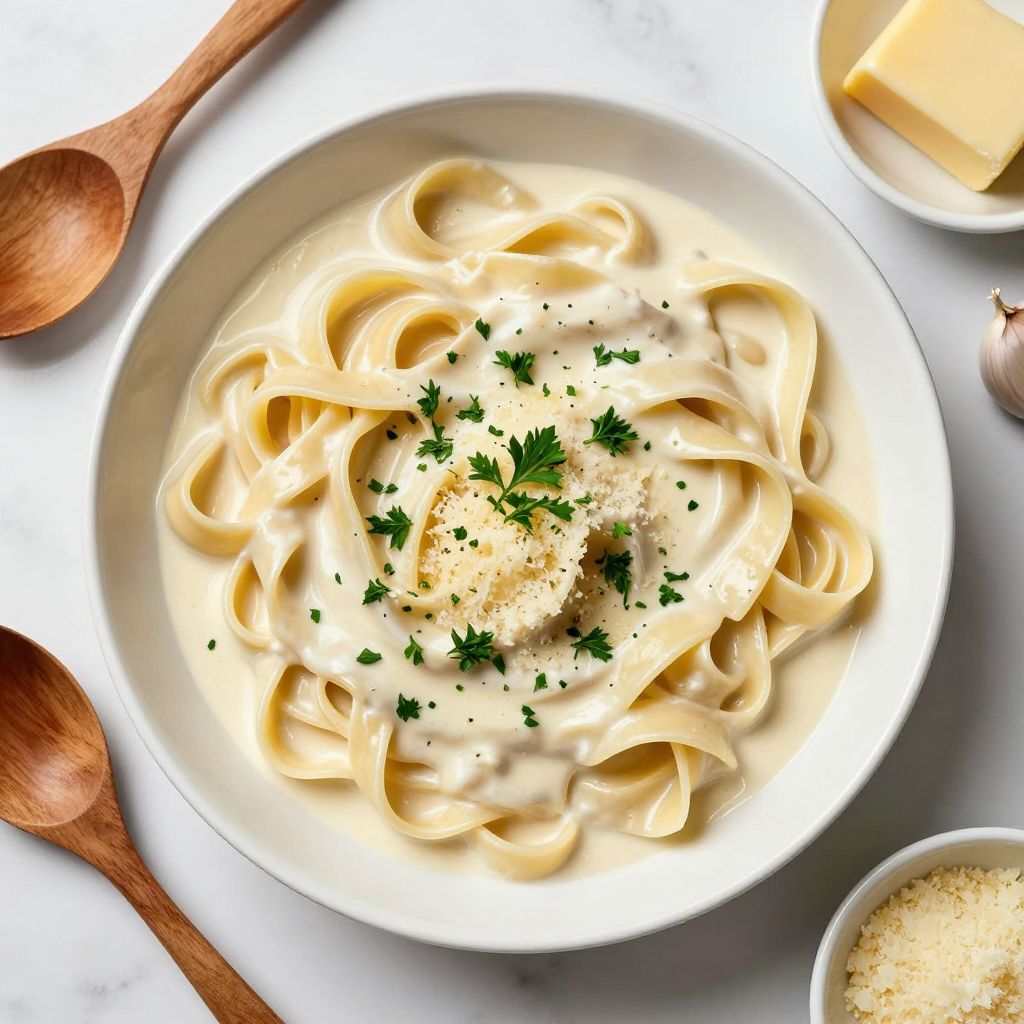
Picture this: a steaming bowl of pasta smothered in a silky, creamy sauce that clings lovingly to each noodle. That’s the magic of a good White Pasta Sauce, and it’s simpler to whip up than you might think. This recipe is perfect for those busy weeknights or when you’re looking to impress dinner guests with minimal fuss. Its rich flavor and dreamy texture make it a versatile base for countless variations, allowing you to add your favorite ingredients. Let’s dive into the delicious world of creamy sauces!
Why You’ll Love This Recipe
This recipe is a crowd-pleaser and a kitchen staple.
- Quick and easy to prepare in under 30 minutes.
- Perfectly creamy and rich without being overwhelming.
- Versatile—great with vegetables, meats, or on its own.
- Uses simple ingredients you likely have on hand.
- Can be customized to suit various diets and preferences.
My Experience Making This Recipe
Every time I make this sauce, I’m reminded of cozy family dinners where everyone gathers around the table. The aroma of garlic and butter fills the kitchen, making it hard to resist sneaking a taste before serving.
This sauce has turned into one of my go-to meals when I need something comforting yet elegant. Friends often request it, and I love how I can easily adapt it with fresh herbs or spices to keep things exciting.
Recipe Overview
- Recipe Name: White Pasta Sauce
- Servings: 4
- Prep Time: 10 minutes
- Cook Time: 15 minutes
- Total Time: 25 minutes
- Course: Sauce
- Cuisine: Italian
- Calories per Serving: 250
Equipment You Will Need
- Large saucepan
- Wooden spoon or spatula
- Measuring cups and spoons
- Whisk
- Serving bowl
Ingredients for White Pasta Sauce
For the Sauce
- 2 tablespoons unsalted butter
- 2 cloves garlic, minced
- 2 tablespoons all-purpose flour
- 2 cups whole milk
- 1 cup grated Parmesan cheese
- Salt and pepper to taste
- 1/4 teaspoon nutmeg (optional)
Ingredient Notes and Substitutions
- Unsalted butter: Adds richness; you can use olive oil for a lighter version.
- Garlic: Provides depth of flavor; garlic powder can be used in a pinch.
- All-purpose flour: Thickens the sauce; cornstarch can be used as a gluten-free alternative.
- Whole milk: Gives creaminess; substitute with half-and-half or a non-dairy milk for a lighter sauce.
- Parmesan cheese: Adds a savory note; nutritional yeast can be used for a vegan option.
How to Make White Pasta Sauce
Step 1: Melt the Butter
In a large saucepan, melt the butter over medium heat. This sets the base for your sauce and adds a rich flavor.
Step 2: Sauté the Garlic
Add the minced garlic to the melted butter and sauté for about 1 minute until fragrant. This step infuses the butter with a lovely aroma.
Step 3: Whisk in the Flour
Sprinkle the flour into the pan and whisk continuously for about 1-2 minutes. This helps to cook off the raw flour taste and creates a roux.
Step 4: Gradually Add the Milk
Slowly pour in the milk while whisking to avoid lumps. This creates a smooth sauce as the mixture thickens.
Step 5: Cook the Sauce
Continue to cook the sauce over medium heat, stirring frequently, until it thickens, about 5-7 minutes. This is where the magic happens, turning your liquid into a luscious sauce.
Step 6: Stir in the Cheese
Remove the pan from heat and stir in the grated Parmesan cheese until melted and well combined. This adds creaminess and flavor that elevates the dish.
Step 7: Season the Sauce
Add salt, pepper, and nutmeg to taste. Adjusting the seasoning is key to getting the right flavor profile for your sauce.
Step 8: Serve and Enjoy
Pour the sauce over your favorite cooked pasta. Give it a good toss to coat every strand and enjoy the creamy goodness!
Pro Tip: For an extra layer of flavor, try adding sautéed mushrooms or spinach to the sauce.
Tips for the Best White Pasta Sauce
- Use fresh garlic for the best flavor; it makes a huge difference.
- Make sure to whisk continuously when adding milk to prevent lumps.
- Don’t skip the nutmeg; it adds a subtle warmth that enhances the sauce.
- Adjust the thickness by adding more or less milk to suit your preference.
- Always taste and adjust seasonings before serving for the best result.
Common Mistakes to Avoid
- Not cooking the flour long enough can lead to a raw taste in the sauce.
- Adding milk too quickly can cause lumps; always whisk gradually.
- Skipping the cheese makes the sauce less flavorful; it’s essential for that creamy taste.
- Overcooking the sauce can make it too thick; keep an eye on it as it simmers.
Serving Suggestions
This sauce pairs beautifully with many dishes, so feel free to get creative.
- Serve it with spaghetti or fettuccine for a classic meal.
- Add grilled chicken or shrimp for a heartier option.
- Top with fresh herbs like basil or parsley for a pop of color.
- Pair with a crisp green salad to balance the richness.
Variations to Try
- Add sautéed vegetables like zucchini or bell peppers for extra nutrition.
- Incorporate cooked bacon or pancetta for a smoky flavor.
- Mix in sun-dried tomatoes for a tangy twist.
- Stir in some fresh spinach for added color and health benefits.
Dietary Adaptations
- Gluten-free: Use a gluten-free flour blend in place of all-purpose flour.
- Dairy-free: Substitute with plant-based butter and non-dairy milk.
- Vegan: Use nutritional yeast instead of cheese and ensure all ingredients are vegan-friendly.
- Low-carb/Keto: Serve with zucchini noodles instead of pasta for a low-carb option.
Storage and Reheating
Refrigerator
Store leftover sauce in an airtight container in the fridge for up to 3 days.
- Let it cool completely before sealing.
- Reheat gently on the stove with a splash of milk to restore creaminess.
Freezer
You can freeze this sauce for up to 2 months.
- Place it in a freezer-safe container or bag.
- Thaw overnight in the fridge before reheating.
Reheating
Reheat on low heat in a saucepan, adding a little milk as needed.
- Stir frequently to prevent scorching.
- Ensure it’s heated through before serving.
Nutrition Information
| Nutrient | Amount |
|---|---|
| Calories | 250 |
| Total Fat | 15g |
| Saturated Fat | 9g |
| Carbohydrates | 20g |
| Fiber | 1g |
| Sugar | 4g |
| Protein | 8g |
| Sodium | 350mg |
| Cholesterol | 40mg |
This nutritional information is an estimate and may vary based on specific ingredients used.
Frequently Asked Questions
Can I use almond milk instead of whole milk?
Yes, almond milk works well, but the sauce may be a bit thinner. Consider adding a bit more flour to thicken.
Can I make this sauce ahead of time?
Absolutely! You can prepare it in advance and store it in the fridge. Just reheat gently before serving.
What if my sauce is too thick?
If your sauce is too thick, simply whisk in a bit of milk to reach your desired consistency. Heat it gently to combine.
Can I add protein to the sauce?
Yes, cooked chicken, shrimp, or sausage can be added for a more filling dish. Just stir them in after making the sauce.
How can I make this sauce spicier?
Add red pepper flakes or a dash of hot sauce to give your sauce a kick. Adjust to your heat preference.
Final Thoughts
Making your own white pasta sauce is not only rewarding but opens up a world of delicious possibilities. With its creamy texture and rich flavor, this sauce is sure to become a family favorite.
So grab your ingredients and get ready to create a dish that brings everyone to the table. Don’t forget to check out my other favorites like Alfredo Sauce Recipe with Cream Cheese and Million Dollar Lasagna Recipe for more culinary inspiration.
White Pasta Sauce
Ingredients
Equipment
Method
- In a large saucepan, melt the butter over medium heat.
- Add the minced garlic to the melted butter and sauté for about 1 minute until fragrant.
- Sprinkle the flour into the pan and whisk continuously for about 1-2 minutes.
- Slowly pour in the milk while whisking to avoid lumps.
- Continue to cook the sauce over medium heat, stirring frequently, until it thickens, about 5-7 minutes.
- Remove the pan from heat and stir in the grated Parmesan cheese until melted and well combined.
- Add salt, pepper, and nutmeg to taste.
- Pour the sauce over your favorite cooked pasta and toss to coat.