
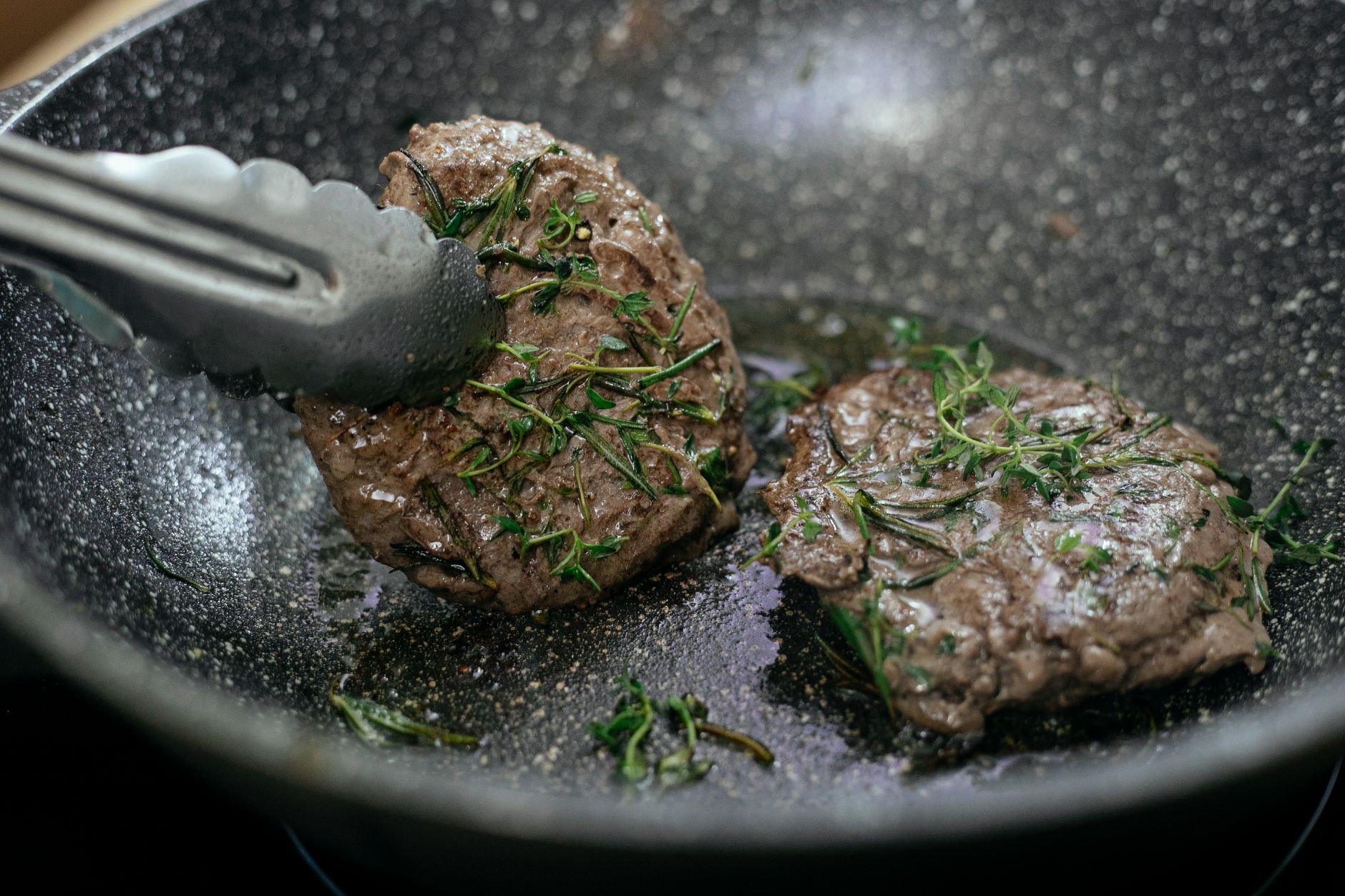
Steak is a popular choice for many meat lovers, not only for its rich flavor but also for its high protein content. Understanding how much protein is in a steak can help you meet your dietary needs while savoring this delicious cut of meat. This guide will delve into the protein content of various steak types, factors influencing these levels, and ways to incorporate steak into your meals.
When it comes to cooking steak, you’ll find that it’s not only about protein but also about flavors, textures, and cooking methods. Let’s explore how much protein is typically found in steak and how to choose the right cut for your dietary goals.
How Much Protein Is in a Steak?
The amount of protein in a steak can vary significantly depending on the cut of meat. On average, a typical 3-ounce serving of a cooked steak contains between 22 to 26 grams of protein. However, some cuts can offer even higher protein levels. Here are some common types of steak and their protein content per 3-ounce serving:
| Type of Steak | Protein (grams) |
|---|---|
| Sirloin Steak | 24 grams |
| Ribeye Steak | 23 grams |
| T-Bone Steak | 24 grams |
| Filet Mignon | 26 grams |
| Flank Steak | 25 grams |
| Porterhouse Steak | 24 grams |
Factors Influencing Protein Content
Several factors can influence the protein content in steak, including the cut of meat, the animal’s diet, and the cooking method employed. Here’s a closer look at each factor:
1. Cut of Meat
Different cuts of steak come from various parts of the cow, and their protein content can vary. Generally, leaner cuts, like sirloin and filet mignon, are higher in protein compared to fattier cuts like ribeye. The fat content not only affects the flavor but also slightly impacts the protein concentration.
2. Animal Diet
The diet of the cattle can also impact the nutritional profile of the meat. Cows that are grass-fed often have leaner meat with a higher protein-to-fat ratio compared to grain-fed cows. Grass-fed beef tends to have a slightly higher omega-3 fatty acid content, which is beneficial for overall health.
3. Cooking Method
How you cook the steak can also influence the protein levels due to moisture loss during cooking. Grilling, broiling, or pan-searing steaks can lead to some loss of moisture, concentrating the protein level slightly in the dry weight. However, cooking methods vary, so be cautious not to overcook your steak, which can lead to toughness and dryness.
Choosing the Right Steak for Protein
When planning meals around protein intake, choosing the right steak cut is crucial. If your goal is to maximize protein consumption while minimizing fat, here are some recommendations:
- Sirloin: A lean cut that balances flavor with lower fat content.
- Filet Mignon: The leanest cut with a tender texture, ideal for protein-focused diets.
- Flank Steak: Another lean option with robust flavor, great for marinating.
How to Cook Steak for Maximum Flavor and Nutrition
Cooking steak properly not only enhances its flavor but also ensures you retain as much of its nutritional value as possible. Here are some cooking methods and tips:
1. Grilling
Grilling allows fat to drip away from the meat, yielding a more concentrated protein content. Preheat your grill to medium-high heat. Season your steak with salt, pepper, and any marinade of choice. Grill each side for about 3 to 5 minutes (depending on thickness and desired doneness), ensuring you achieve a nice sear.
2. Pan-Searing
Pan-searing steaks creates a delightful crust while keeping it juicy inside. Start with a hot skillet, add oil, and then your seasoned steak. Sear for about 4-5 minutes on each side for medium-rare, or adjust for desired doneness. Finish in a preheated oven if needed.
3. Sous Vide
This method involves cooking steak in a temperature-controlled water bath. Season and vacuum-seal your steak before cooking it at the desired temperature for an extended period (1-3 hours) based on thickness. Finish by searing in a hot pan to develop texture.
Meal Planning with Steak
Incorporating steak into your meal planning can help you meet your protein goals. Here’s a simple guide to help you create balanced meals around steak:
Protein-Rich Meal Ideas
- Grilled Sirloin Steak with roasted vegetables and quinoa.
- Flank Steak Tacos with cabbage slaw and avocado.
- Stuffed T-Bone Steak with spinach and cheese, paired with brown rice.
Balancing Meals
Steak can be a part of a balanced meal when combined with an appropriate amount of vegetables and whole grains.
- Focus on including a variety of colorful vegetables to provide essential vitamins and minerals.
- Incorporate whole grains, such as brown rice or quinoa, to round out your meal with fiber and additional nutrients.
Protein-Rich Snack Ideas with Steak
If you’re looking to enjoy steak as a snack rather than a main course, here are some tasty ideas:
- Beef Jerky: A portable snack rich in protein, perfect for on-the-go.
- Steak Sandwich: Use thinly sliced steak with whole-grain bread and plenty of veggies.
- Steak Salad: A hearty salad topped with strips of grilled steak, fresh greens, and a light dressing.
Common Mistakes to Avoid When Cooking Steak
While grilling or cooking steak can be straightforward, there are common pitfalls to avoid:
- Not letting it rest: Always allow the steak to rest for 5-10 minutes after cooking. This helps retain juices.
- Overseasoning: Too much salt can overpower the natural flavor. Season moderately.
- Overcooking: Use a meat thermometer to check doneness. Aim for 130°F for medium-rare.
Storage and Reheating Tips for Cooked Steak
Proper storage and reheating ensure that leftover steak remains safe and delicious:
- Store cooked steak in an airtight container in the refrigerator for up to 3-4 days.
- When reheating, do so gently in the oven or microwave to avoid toughening the meat.
Conclusion
Steak is not just a flavorful addition to meals; it also provides a substantial protein source essential for muscle maintenance and overall health. By understanding the protein content of various cuts and how to prepare them, you can easily incorporate steak into your diet.
Ready to try some steak in your meals? Consider these recipes and cooking techniques, whether it’s grilling a juicy t-bone steak or exploring the tenderness of a filet mignon. For more delicious options, check out our petite sirloin steak recipe and our t-bone steak recipe.