
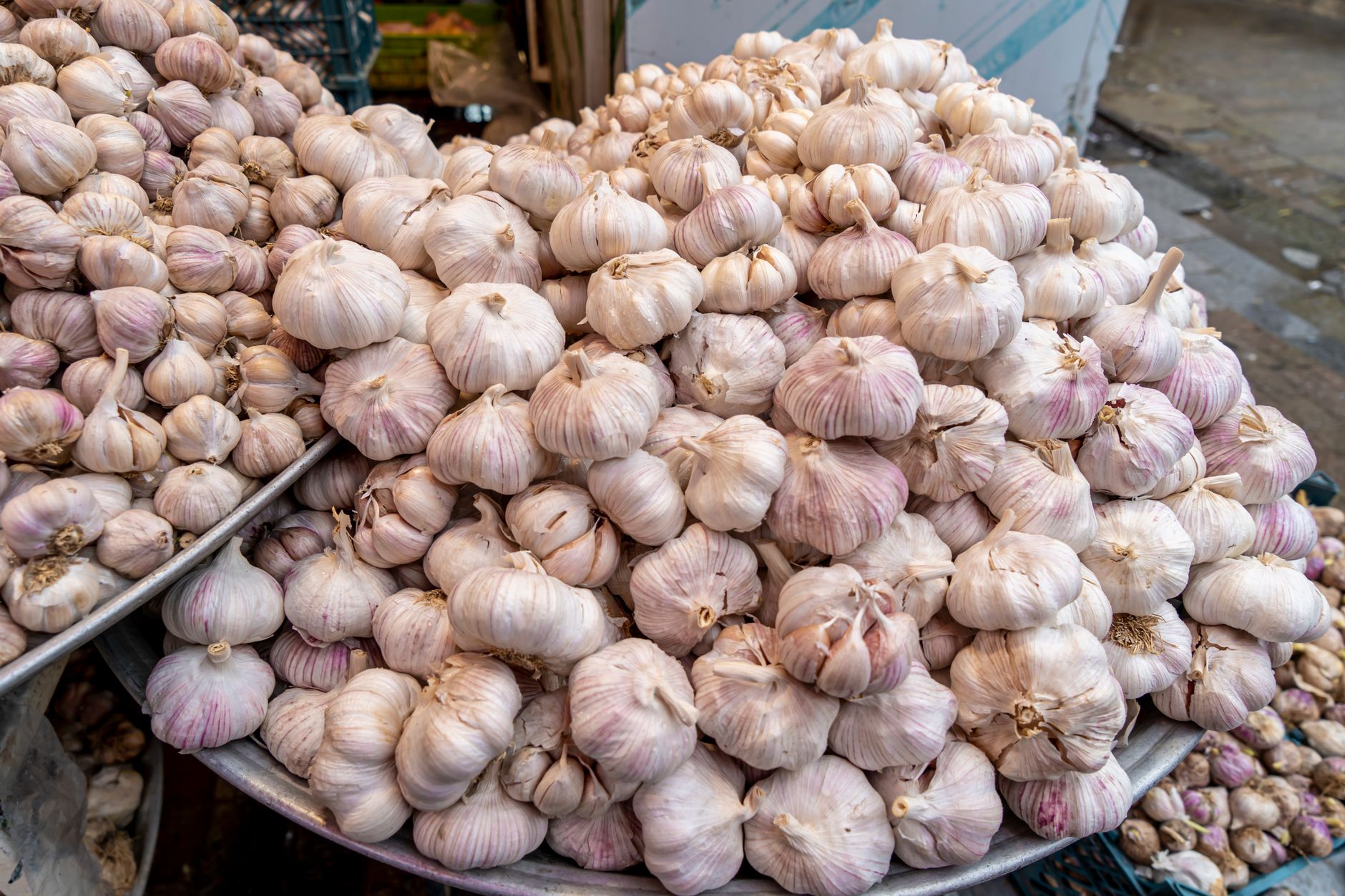
Garlic is a staple ingredient in many kitchens around the world, known for adding depth and flavor to countless dishes. But how much garlic is actually in a clove? Understanding this measurement can help you create well-balanced meals without overpowering them with too much garlic.
In this article, we’ll delve into what constitutes a clove of garlic, how to measure it accurately, and how it can affect your dishes. We’ll also explore garlic’s culinary uses, health benefits, variations, and how to store it properly for maximum freshness.
How Much Garlic in a Clove?
A typical garlic clove weighs about 3 to 7 grams, depending on the size and variety of garlic. One clove typically yields approximately 1 teaspoon of minced garlic. Thus, knowing the amount in a clove helps you adjust recipes to your taste. However, it’s important to note that the potency of garlic can vary between varieties, so it’s not always a straightforward measurement.
Understanding Garlic Varieties
Garlic comes in several varieties, each with its own flavor profile and size. Common types include:
- Softneck Garlic: This type is often found in supermarkets. It has a milder flavor and smaller cloves, usually yielding less than hardneck garlic.
- Hardneck Garlic: Known for its strong aroma and flavor, hardneck garlic has larger cloves and a tougher outer skin.
- Elephant Garlic: Technically a type of leek, elephant garlic produces very large cloves that can weigh up to 10 grams or more.
Each of these varieties affects how much garlic you might use in your cooking.
Measuring Garlic Cloves
To accurately measure garlic, it can be helpful to know how to correctly count and prepare cloves for your recipes. Here’s a straightforward guide:
- Whole Clove: One whole clove is a piece of garlic that can be used as is or minced.
- Minced Garlic: When you chop or press a clove, it transforms. From one clove, you typically get 1 teaspoon of minced garlic.
- Garlic Powder: If using garlic powder instead, 1/8 teaspoon is approximately equivalent to one clove of fresh garlic.
Understanding these measurements can help maintain the right flavor balance in your dishes.
Culinary Uses for Garlic
Garlic is versatile and can be used in numerous ways. Here are some common culinary applications:
- Flavoring: Garlic is often sautéed at the beginning of a dish to infuse the oil or butter with its flavor before adding other ingredients.
- Marinades: Minced garlic enhances marinades for meats, tofu, or vegetables, providing deeper flavor profiles.
- Sauces: Garlic can be blended into sauces, dressings, or dips, such as aioli and vinaigrettes.
- Roasting: Whole cloves can be roasted for a sweeter, softer flavor ideal for spreads or garnishes.
The variety and cooking method significantly influence the final flavor of garlic in your dish.
Health Benefits of Garlic
Aside from its culinary uses, garlic is praised for numerous health benefits. Some of these include:
- Cardiovascular Health: Garlic has been linked to lower blood pressure and cholesterol levels, promoting heart health.
- Immune Support: Its antibacterial and antiviral properties may help boost the immune system, especially when consumed raw.
- Anti-inflammatory Effects: Studies suggest garlic can help reduce inflammation, making it beneficial for conditions like arthritis.
Incorporating garlic into your diet can enhance not only the flavor but also the nutritional value of your meals.
How to Mince Garlic
Mincing garlic allows for a finer texture and stronger flavor release. Here’s how to properly mince garlic:
- Start with a clove and place it under the flat side of a chef’s knife. Apply pressure to crush it slightly.
- Remove the papery skin and discard it.
- Chop the garlic into small pieces.
- Continue chopping while running the knife through the garlic to create a fine mince.
When mincing, be mindful of your knife skills to avoid accidents. Consider using a garlic press for quicker results if you prefer.
Common Mistakes When Using Garlic
Using garlic can elevate your dishes, but there are some common mistakes to avoid:
- Not peeling properly: Failing to remove the skins from the garlic can affect both texture and flavor.
- Burning garlic: Cooking garlic at high heat for too long can lead to a bitter flavor. Aim for low to medium heat.
- Skipping mincing: Using whole cloves without mincing can result in uneven flavor distribution.
By being aware of these pitfalls, you can enhance your culinary skills and make the most of garlic’s flavor.
Substituting Garlic
There are times when fresh garlic might not be available, and you may need to find substitutes. Here are some alternatives:
- Garlic Powder: Use 1/8 teaspoon of garlic powder for one clove. It’s less potent and best for recipes that require longer cooking times.
- Granulated Garlic: Similar to garlic powder, but coarser. Use it in the same ratio.
- Shallots: These can be minced as a substitute, offering a milder onion-garlic flavor.
When substituting, consider the dish’s cooking time and adjust the amount based on the flavor intensity of the alternative.
Storing Garlic
Proper storage helps maintain garlic’s freshness and flavor. Here are some tips:
- Whole Bulbs: Store in a cool, dry place in a paper bag or breathable container.
- Opened Bulbs: Keep them in a sealed container, preferably in the refrigerator.
- Chopped Garlic: Store in an airtight container and use within a week, or freeze for longer storage.
Garlic can sprout if stored improperly, which does not spoil its flavor but can be tough to use effectively. Sprouted garlic should be trimmed before use.
Cooking with Garlic: Techniques and Tips
Incorporating garlic into your cooking can require some techniques to optimize its flavor:
- Sautéing: Start by heating oil, then add minced garlic for a fragrant base. Stir it often to prevent burning.
- Roasting: Cut the top off whole cloves, drizzle with oil, and wrap them in foil. Roast at 400°F for 30-40 minutes.
- Infusing: Add garlic to oils or vinegars for unique flavor blends. Just be cautious about the shelving time for safety.
Adapting these methods can help you create flavorful dishes that truly showcase garlic’s versatility.
Garlic and Diet Considerations
For some, garlic may need to be limited or avoided due to dietary restrictions or intolerances. Think about the following:
- Allergies: Some people may have garlic allergies; be observant of symptoms upon consumption.
- FODMAP Diets: Garlic is high in FODMAPs, unsuitable for people following a low-FODMAP diet for IBS.
- Paleo and Vegan Diets: Garlic fits well into both, adding flavor without animal products.
Being conscious of your dietary preferences can help you include garlic appropriately in your meals.
Recipes Featuring Garlic
Utilizing garlic in your cooking can elevate even simple recipes. Here is a suggestion of a straightforward dish that highlights garlic:
- Garlic Butter Pasta: A quick dish that involves sautéing minced garlic in butter, tossing it with cooked pasta, and finishing with herbs and cheese.
This recipe exemplifies how just a couple of cloves of garlic can transform an ordinary dish into something special.
Common Garlic Flavors to Pair
Garlic complements a wide array of flavors, making it a versatile ingredient. Here are some ideal pairings:
- Herbs: Basil, parsley, oregano, and thyme complement garlic beautifully.
- Citrus: Lemon and garlic can elevate seafood dishes or dressings.
- Proteins: Garlic pairs well with chicken, pork, beef, and plant-based options.
The right combinations can enhance the overall dish while ensuring that the garlic flavor shines through.
Conclusion
Understanding how much garlic is in a clove is essential for crafting well-balanced dishes. Garlic’s versatility, along with its culinary possibilities, makes it a favored ingredient. Whether you are using whole cloves, minced, or a powdered form, proper measurement and cooking techniques can bring out the best in this flavorful bulb. Explore how to incorporate garlic into various recipes while keeping its flavor in check for your culinary creations.
Explore related recipes and guides to enhance your cooking journey: from garlic mayo recipes to insights on garlic variants in your pantry with granulated garlic vs. garlic powder. Happy cooking!