
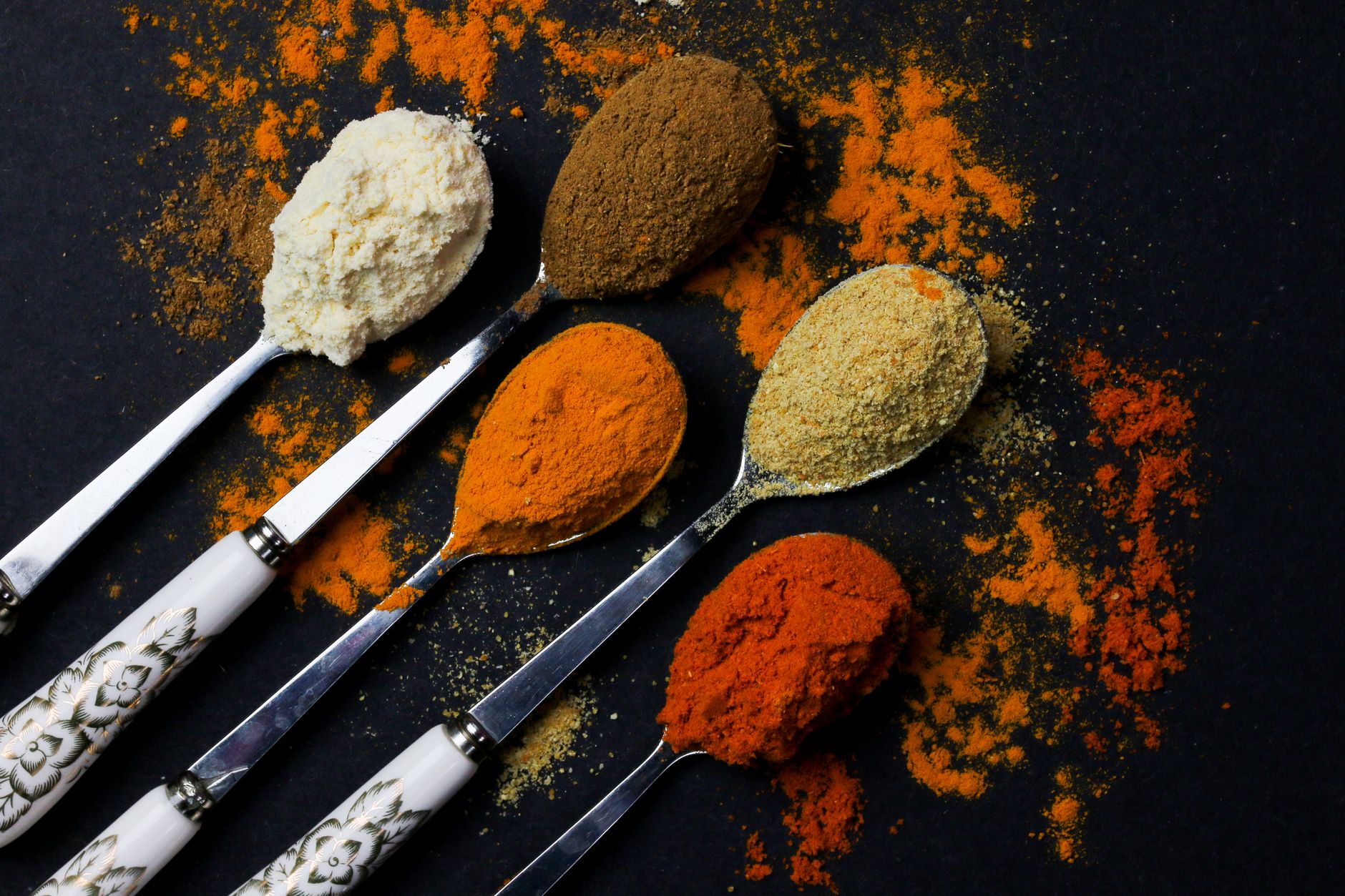
When it comes to enhancing dishes with that distinct garlic flavor, granulated garlic and garlic powder are two common ingredients in the spice cabinet. Though they may seem interchangeable at first glance, understanding their differences can elevate your cooking. This article delves into the similarities and distinctions between granulated garlic and garlic powder, aiding you in making informed culinary choices.
We’ll explore how these garlic forms are made, their uses in recipes, flavor profiles, and how to substitute one for the other. Learning these nuances will help you decide which ingredient best suits your dish, ensuring that your meals are flavorful and enjoyable.
Is Granulated Garlic The Same As Garlic Powder?
No, granulated garlic and garlic powder are not the same, although they are both derived from garlic cloves. Granulated garlic has a coarser texture and a slightly different flavor profile than garlic powder, which is finer and has a more intense garlic taste. Understanding these differences can help you use them appropriately in your cooking.
Understanding Granulated Garlic
Granulated garlic is made from dehydrated garlic cloves that have been ground into small granules. This form of garlic retains more texture and volume than garlic powder, making it a versatile ingredient in various dishes. It is commonly found in spice blends, marinades, and rubs.
Flavor and Aroma
The flavor of granulated garlic is robust but not as concentrated as garlic powder. Its slightly milder flavor makes it suitable for recipes that require a longer cooking time, as it has a chance to infuse its taste into the dish gradually. The aroma is earthy and pungent, characteristic of fresh garlic but with a more subdued intensity.
Culinary Uses
- Adding depth to soups and sauces: Granulated garlic can be added early in cooking, allowing its flavors to meld and develop.
- Marinades and dressings: Its texture allows granulated garlic to dissolve in liquids easily, making it ideal for marinades and salad dressings.
- Seasoning rubs: Granulated garlic creates an appealing crust when rubbed on meats before grilling or roasting.
How to Store Granulated Garlic
To maintain its flavor and potency, store granulated garlic in an airtight container in a cool, dark place. Proper storage can extend its shelf life for up to 3 years, though it’s best used within 1 to 2 years for optimal flavor.
Understanding Garlic Powder
Garlic powder is produced by dehydrating garlic cloves and grinding them into a fine powder. This form provides a more concentrated garlic flavor, making it an essential ingredient in many kitchens.
Flavor and Aroma
Garlic powder offers a strong garlic flavor that can be stronger than granulated garlic due to its fine texture, which allows it to disperse more evenly throughout dishes. This intensity makes garlic powder well-suited for seasoning dishes quickly.
Culinary Uses
- Instant flavor boost: Garlic powder can be added to dishes at any point in the cooking process, from soups to grilled meats.
- Baking and dry rubs: Its fine texture makes it an excellent choice for seasoning blends and baked goods.
- Sprinkling on popcorn or roasted vegetables: Garlic powder can add a quick flavor enhancement to many snacks and sides.
How to Store Garlic Powder
Garlic powder should be kept in an airtight container in a cool, dark place. When stored correctly, it can last for about 3 years, though to maintain its potency, it’s best used within 1 year.
Comparing Granulated Garlic and Garlic Powder
Texture
The primary difference between granulated garlic and garlic powder is their texture. Granulated garlic is coarse and grainy, while garlic powder is fine and silky. This difference can affect the final texture of your dish, especially in dry rubs or coatings.
Flavor Intensity
Garlic powder has a more potent and concentrated flavor compared to granulated garlic. Therefore, you may need to adjust the quantities when substituting one for the other, especially if you’re seeking to maintain the intended flavor profile of a dish.
Cooking Techniques
Granulated garlic is better suited for slow-cooked dishes, where it can release its flavors over time. Meanwhile, garlic powder is ideal for quick-cooking methods or recipes that demand a more immediate flavor impact.
Substitution Ratios
When substituting granulated garlic for garlic powder or vice versa, it’s essential to adjust the quantities accordingly due to their differences in flavor intensity and texture.
- 1 teaspoon of garlic powder can be replaced with about 2 teaspoons of granulated garlic.
- Conversely, if a recipe calls for granulated garlic and you only have garlic powder, use half the amount due to its stronger flavor.
Common Mistakes When Using Garlic Ingredients
Overusing Garlic Powder
Given its concentrated flavor, it can be easy to overdo it with garlic powder. A little goes a long way, so start small and adjust to taste.
Ignoring Cooking Times
When using granulated garlic in slow-cooked dishes, remember that it benefits from longer cooking times. Garlic powder, however, can be added later due to its rapid flavor release.
Not Considering Texture
When transitioning between granulated garlic and garlic powder, consider how each ingredient’s texture may impact the overall dish. Keep this in mind when choosing seasonings for dry rubs or baking.
Practical Tips for Using Garlic in Cooking
Flavor Pairings
Garlic pairs well with numerous flavors, enhancing the overall taste of dishes. Common pairings include:
- Herbs: Rosemary, thyme, basil, and oregano.
- Spices: Paprika, cumin, chili powder, and black pepper.
- Citrus: Lemon and lime can brighten dishes flavored with garlic.
Recipe Ideas Featuring Garlic
Garlic is a versatile ingredient and is useful in countless recipes. Here are a few ideas:
- Garlic Butter Shrimp: Use granulated garlic in your butter sauce for a flavorful seafood dish.
- Garlic Herb Roasted Chicken: Create a dry rub using granulated garlic along with fresh herbs and spices.
- Homemade Garlic Bread: Incorporate garlic powder into the butter mixture for added flavor.
Health Considerations
Garlic is known for its potential health benefits, including boosting the immune system and promoting heart health. Both granulated garlic and garlic powder retain some of these benefits, although cooking may diminish certain properties.
Conclusion
In summary, while granulated garlic and garlic powder may seem similar, they serve different purposes in cooking due to their texture and flavor intensity. Understanding these differences allows for better flavor control in your dishes and helps you choose the right ingredient based on the recipe. Whether you’re using granulated garlic for a gradual flavor or garlic powder for a quick hit of garlic goodness, both can enhance your culinary creations.
For practical next steps, try incorporating these garlic forms into your cooking and discover how they can change the flavors of your favorite dishes. Explore recipes that can benefit from these ingredients, such as making garlic mayo or trying substitutes when you run out of ingredients.
Check out our garlic mayo recipe for a simple and delicious way to enjoy garlic, or learn about substitutes for coriander to further enhance your meals.