
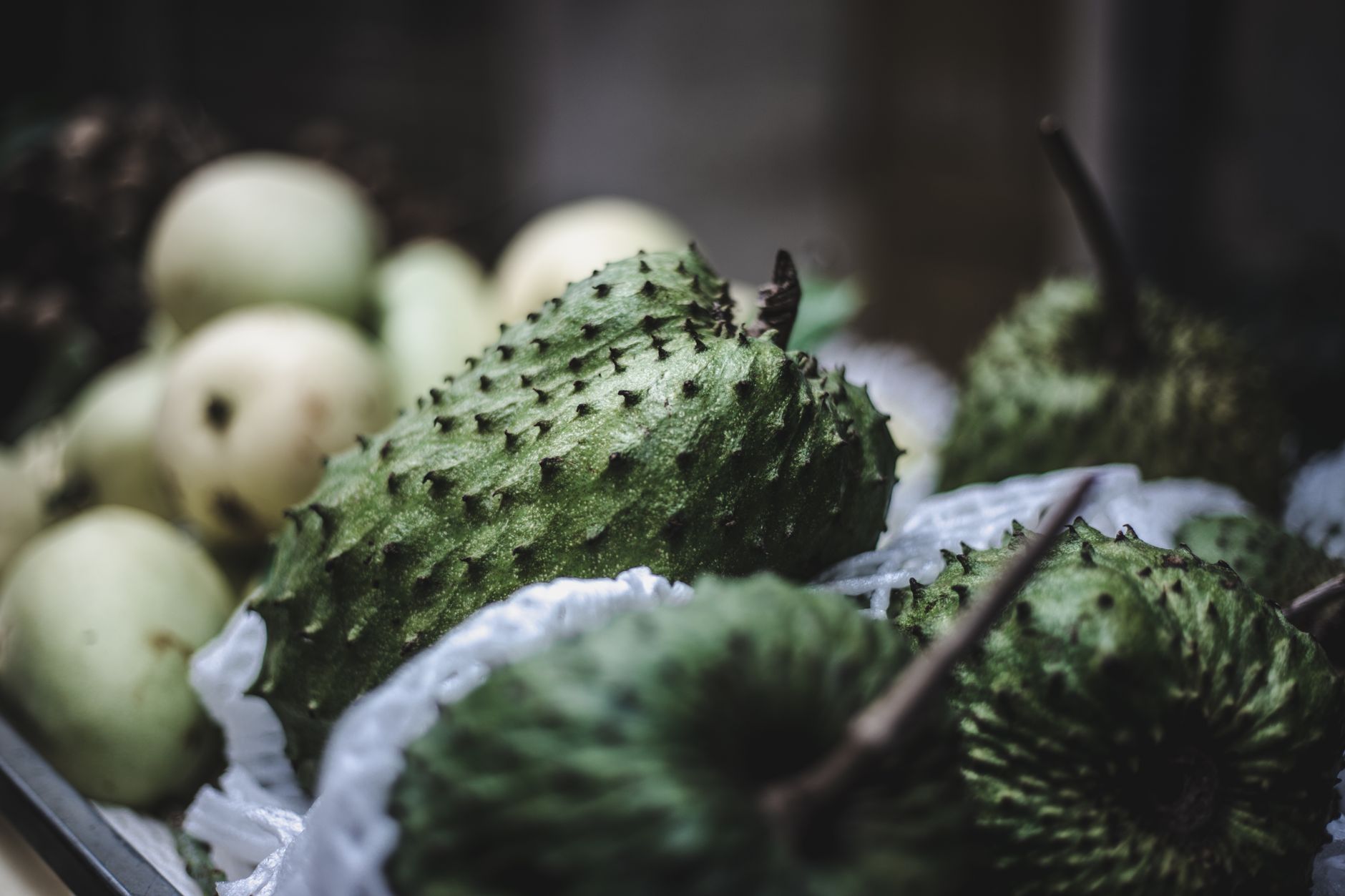
Soursop, also known as Graviola, is a tropical fruit that has gained popularity for its unique flavor and versatility in cooking. This guide explores where you can find soursop, its various forms, flavor profiles, culinary uses, and tips for storage and selection. Whether you’re looking to incorporate this delicious fruit into your diet or searching for potential health benefits, understanding soursop will enhance your culinary experience.
Known for its spiky green exterior and creamy flesh, soursop is enjoyed in many forms, from fresh fruit to juice and desserts. Its sweet and tangy flavor makes it an exciting addition to a variety of dishes. Let’s dive deeper into where to find this exotic fruit and how to use it in your cooking.
Where Can You Find Soursop?
Soursop can be found in tropical regions around the world. It thrives in warm climates, which makes it abundant in countries like Mexico, Cuba, and various parts of South America and Southeast Asia. In the United States, you may find fresh soursop in specialty grocery stores, farmers’ markets, and some Latin American or Asian markets.
If you’re unable to find fresh soursop, consider purchasing it in frozen or processed forms, such as dried soursop or soursop juice. These products can often be found in health food stores or online retailers. Additionally, some specialty food shops may carry soursop-flavored snacks or beverages.
Types of Soursop and Their Availability
Soursop comes in several varieties, each with its flavor profile and uses. Here’s a closer look at some of the common types of soursop you might encounter:
- Regular Soursop: This is the most commonly found type, featuring a sweet, tangy flavor and a creamy texture. It is usually available in tropical regions and occasionally in specialty stores elsewhere.
- Black Soursop: Slightly smaller and darker, this variant has a richer flavor. It is less commonly found but is sometimes available in ethnic grocery stores.
- Graviola: Often used interchangeably with soursop, it refers to both the fruit and its leaves. Graviola products, such as teas and dietary supplements, can often be found online or in health stores.
- Dried Soursop: This form is ideal for snacking or adding to recipes and can be purchased from various online health food retailers.
The Flavor of Soursop
The flavor of soursop is often described as a cross between strawberry and pineapple, with creamy undertones reminiscent of banana. The sweetness is balanced by a slight tartness, making it exceptionally refreshing and versatile in both sweet and savory dishes.
When selecting a ripe soursop, look for a fruit that yields slightly to pressure, indicating softness without being overly mushy. A ripe soursop will often have a fresh, aromatic scent, especially near the stem area.
Culinary Uses of Soursop
Soursop can be used in a variety of culinary applications, showcasing its versatility in both sweet and savory recipes. Here are some popular ways to incorporate soursop into your meals:
Fresh Consumption
Eating soursop fresh is one of the best ways to enjoy its unique flavor. Simply cut the fruit in half and scoop out the creamy flesh with a spoon. Pair it with lime juice or sprinkle it with sugar for added sweetness.
Soursop Juice and Smoothies
Soursop juice is refreshing and can be easily made at home. Blend ripe soursop pulp with water and strain to remove any fibrous bits. This juice can also be used as a base for smoothies, combining well with bananas, mangoes, and coconut milk.
Baking and Desserts
Soursop can be used in several dessert recipes, such as cakes, puddings, or ice cream. It can also be incorporated into fruit salads for an exotic twist.
- Soursop Sorbet: Puree soursop flesh, mix with sugar and lemon juice, then freeze for a refreshing sorbet.
- Soursop Pie: Use soursop pulp as a filling for pies for a unique dessert option.
Soursop in Savory Dishes
Although soursop is primarily known for its sweet applications, it can also be used in savory dishes. Its creamy texture and unique flavor pair well with grilled fish or chicken when used as a marinade or sauce component.
Cooking with Soursop: Tips and Techniques
When cooking with soursop, there are some tips and techniques you can use to enhance the flavor and texture in your dishes. Here are a few recommendations:
How to Prepare Soursop
- Start by selecting a ripe soursop. Look for fruit that is slightly soft to the touch and has a pleasant fragrance.
- Wash the soursop under running water to remove any dirt or pesticides.
- Cut the soursop in half and scoop out the flesh, discarding the seeds as you go. The flesh is soft and creamy, making it easy to remove.
Pairing Suggestions
To complement soursop’s distinct flavor, consider pairing it with:
- Coconut: Adds a rich, creamy texture that enhances the tropical flavor profile.
- Mint: Fresh mint leaves bring a refreshing touch that balances the sweetness of the fruit.
- Spices: Vanilla, cinnamon, and ginger can elevate the flavor of soursop desserts.
Storage and Handling of Soursop
Handling and storing soursop properly can extend its freshness and flavor. Here are some tips for storage:
Storage Guidelines
- Store unripe soursop at room temperature until it ripens. Once ripe, it can be kept in the refrigerator for about three to five days.
- If you have leftover soursop, store the flesh in an airtight container in the fridge for up to two days.
- For longer storage, soursop can be frozen. Scoop the flesh into a freezer-safe bag and remove as much air as possible before sealing.
Common Mistakes to Avoid
A few pitfalls to watch out for when cooking with soursop include:
- Using overly ripe soursop: While ripe is good, overly soft fruit can lead to an unpleasant texture in recipes.
- Not straining juice: When making juice, straining out the fibrous bits can lead to a smoother texture.
Health Benefits and Nutritional Information
Soursop is not only delicious but is also often touted for its potential health benefits. While more research is needed, the fruit is rich in vitamins, minerals, and antioxidants, which can contribute to overall health. Here are some general points:
- Soursop is a good source of vitamin C, which can help support the immune system.
- It has high fiber content, which aids in digestion.
- Some studies suggest that compounds in soursop may have anti-inflammatory and antioxidant properties.
However, it is crucial to consume soursop in moderation, as excessive consumption of soursop seeds has been linked to potential health risks. Always consult with a healthcare professional if you have concerns about dietary habits.
Where to Buy Soursop
To find soursop, consider the following shopping options:
- Local Markets: Check your local farmers’ markets or tropical fruit markets, especially in areas with diverse immigrant communities.
- Asian and Latin Markets: These stores often carry soursop in various forms, including fresh fruit, frozen pulp, or juices.
- Online Retailers: Many online grocery stores and websites specializing in tropical fruits offer fresh and frozen soursop.
- Health Food Stores: Look for dried soursop or soursop supplements at health food or organic stores.
Conclusion
Finding and using soursop can enrich your culinary repertoire with its unique flavor and versatility. Whether enjoyed fresh, in smoothies, baked in desserts, or added to savory dishes, soursop offers a delightful and exotic twist to standard recipes. With various types readily available and several culinary applications, soursop stands out as an ingredient worth seeking out.
Explore more about exotic fruits, cooking techniques, and refreshing drink recipes to elevate your kitchen experience. Your next culinary adventure awaits with soursop in hand!