
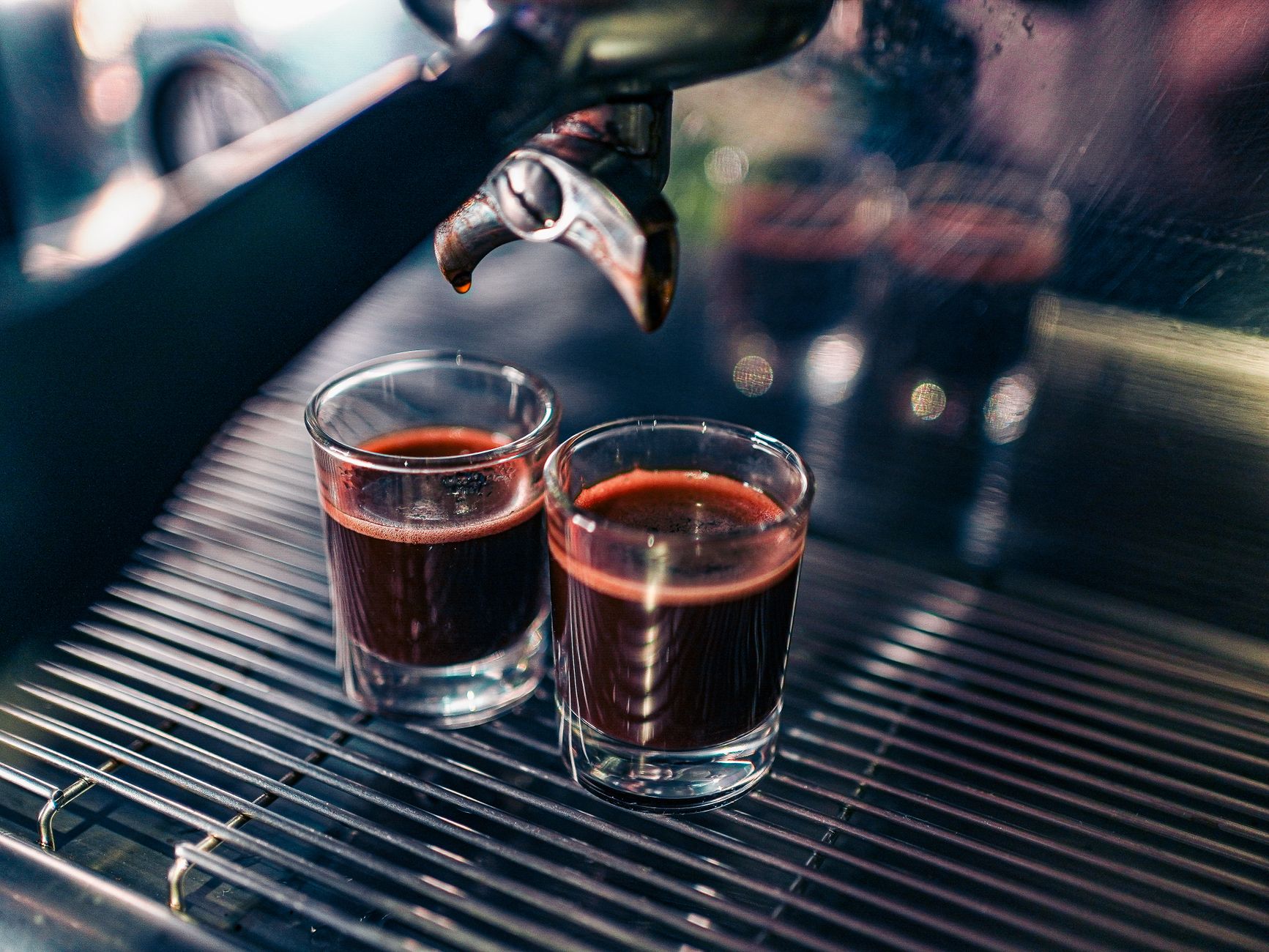
Espresso is a staple for coffee enthusiasts, offering a concentrated shot of flavor and caffeine. With its rich taste and energizing qualities, many coffee lovers wonder about caffeine content, especially when ordering multiple shots. If you’re curious about how much caffeine is in four shots of espresso, this article will provide all the details you need.
Understanding caffeine levels is important for those who monitor their intake for health reasons or simply want a boost without overdoing it. We’ll explore the caffeine content, factors that influence it, and practical tips for espresso preparation.
How Much Caffeine in 4 Shots of Espresso?
Four shots of espresso typically contain about 240 milligrams of caffeine. However, this number can vary based on several factors including the blend of coffee beans used, the brewing time, and the grind size. Understanding these factors can help coffee drinkers make informed choices about their caffeine consumption.
The Basics of Espresso
Espresso is a coffee-brewing method that uses pressure to force hot water through finely-ground coffee. This process results in a small, concentrated shot of coffee that is rich in flavor and caffeine. The union of pressure and temperature during brewing creates the unique characteristics of espresso, including its crema, a frothy layer on top.
What Affects Caffeine Content?
Caffeine content in espresso can be influenced by several factors:
- Type of Coffee Beans: Different types of beans contain varying levels of caffeine. Robusta beans, for instance, generally have about twice the caffeine of Arabica beans.
- Grind Size: Finer grounds expose more surface area to water, allowing for a more efficient extraction of caffeine during brewing.
- Brew Time: Longer extraction times can lead to higher caffeine extraction. However, this may also alter the flavor profile.
- Serving Size: Each espresso shot is approximately 1 ounce, but shot volumes can slightly vary depending on the preparation method.
Comparing Caffeine in Espresso to Other Coffee Types
To understand caffeine levels, it’s helpful to compare espresso with other coffee drinks:
| Type of Coffee | Caffeine Content (per 8 oz) |
|---|---|
| Regular Brewed Coffee | 95 mg |
| Cold Brew Coffee | 200 mg |
| Drip Coffee | 120 mg |
| Espresso (1 shot) | 60 mg |
As seen in the table, espresso is more concentrated than regular brewed coffee, which has less caffeine per serving.
Understanding Your Espresso Shot
When ordering or preparing espresso, understanding the nuances of each shot can enhance your coffee experience. Here’s a detailed breakdown of what goes into a shot:
Preparing Espresso
Espresso is not just made by boiling coffee grounds in water; it requires precision and technique:
- Grind the Coffee Beans: Use a burr grinder for a consistent fine grind. The grind size should be similar to table salt.
- Measure the Coffee: For one shot, use about 7 to 9 grams of ground coffee. For four shots, this will be approximately 28 to 36 grams.
- Tamp the Grounds: Use a tamper to press down the ground coffee evenly in the portafilter. Aim for a firm, even pressure for optimal extraction.
- Heat the Espresso Machine: Ensure your machine is preheated to the right temperature (around 190°F to 205°F).
- Brew the Espresso: Lock the portafilter in place and start the shot. Aim for an extraction time of 25 to 30 seconds.
- Serve Immediately: Enjoy the espresso fresh, as it can lose flavor quickly.
Common Mistakes in Espresso Preparation
When preparing espresso, several common pitfalls can lead to a suboptimal shot:
- Incorrect Grind Size: Too coarse will result in weak and watery espresso, while too fine may cause bitterness.
- Poor Tamping: Uneven tamping can lead to channeling, where water flows through unevenly, affecting extraction.
- Not Using Fresh Beans: Coffee degrades quickly. Always use freshly roasted coffee beans for the best flavor.
- Ignoring Water Quality: The taste of espresso can be affected by the quality of the water used during brewing.
Benefits and Drawbacks of Higher Espresso Consumption
Consuming multiple shots of espresso can be beneficial, but it also has potential drawbacks:
Benefits
- Immediate Energy Boost: The caffeine in espresso can provide a quick source of energy and alertness.
- Rich in Antioxidants: Coffee contains a range of antioxidants which may contribute positively to health.
- Enhanced Cognitive Function: Moderate caffeine consumption is linked to improved focus and concentration.
Drawbacks
- Increased Anxiety: Excessive caffeine can lead to feelings of jitteriness and anxiety.
- Sleep Disruption: Consuming caffeine late in the day may disrupt sleep patterns.
- Potential Dependence: Regular high consumption can lead to caffeine dependence.
Deciding on the Right Amount of Espresso
Understanding your own body’s reaction to caffeine will help determine how much espresso is appropriate. Factors include age, weight, tolerance, and overall health. Generally, moderate caffeine consumption—about 400 milligrams per day, which equates to about six shots of espresso—is considered safe for most adults.
Tips for Enjoying Espresso
If you’re new to espresso or looking to enhance your experience, consider these tips:
- Experiment with Different Beans: Try various blends and roasts to discover unique flavor profiles.
- Try Different Brewing Methods: Explore using a Moka pot or Aeropress for varying espresso-like experiences.
- Add Flavor: Add milk, syrups, or spices to customize your drink.
Alternative Espresso Drinks
For those looking to indulge in espresso but wanting to alter their caffeine intake, consider trying these alternatives:
- Americano: A shot of espresso diluted with hot water, offering a milder experience.
- Latte: A combination of espresso with steamed milk, which balances flavor and reduces caffeine per serving.
- Cappuccino: Similar to a latte but with frothed milk, offering creaminess and a touch of caffeine.
Storing Espresso Beans
To keep your espresso beans fresh, proper storage is crucial. Here are some guidelines:
- Airtight Containers: Store beans in an airtight container away from light and moisture.
- Cool, Dark Place: Keep the container in a pantry, avoiding exposure to heat.
- Avoid Refrigeration: Storing coffee in the fridge can lead to condensation, affecting quality.
Conclusion
Understanding how much caffeine is in four shots of espresso—approximately 240 milligrams—is essential for enjoying this popular coffee choice. By grasping the factors that influence caffeine content and learning the basics of espresso preparation, you can enhance your coffee experience while being mindful of your caffeine intake.
Now that you have the knowledge about espresso’s caffeine content and preparation, why not explore more delicious coffee ideas? Check out our Espresso Tonic Recipe for a refreshing take or learn how to make an Iced Americano Recipe to enjoy on a warm day.