
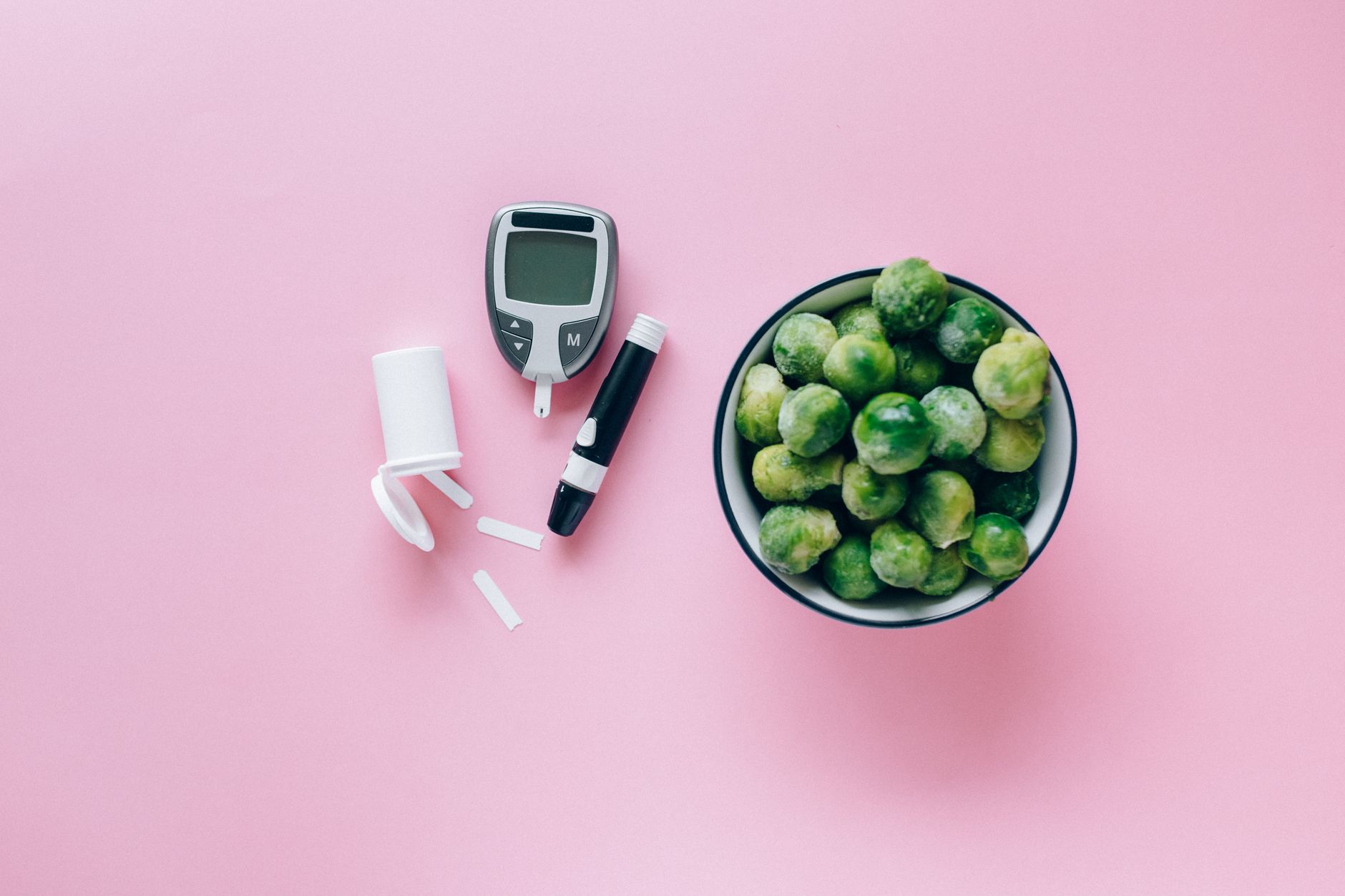
Diabetes management relies heavily on diet, making the choice of food crucial for those with the condition. Certain foods offer not only essential nutrients but also help regulate blood sugar levels. Understanding the best food options can empower diabetics to make informed choices for their health.
This article explores five of the best foods for diabetics, providing insights into their nutritional benefits, culinary versatility, and how they fit into a balanced diet. By integrating these foods into daily meals, those managing diabetes can enhance their nutrition and wellbeing.
What Are the 5 Best Foods for Diabetics?
The five best foods for diabetics are leafy greens, beans, fatty fish, nuts, and whole grains. Each of these foods provides unique health benefits, from fiber content to healthy fats, making them excellent choices for maintaining balanced blood sugar levels.
1. Leafy Greens
Leafy greens, such as spinach, kale, and Swiss chard, are nutritional powerhouses that can greatly benefit diabetics. These vegetables are low in calories and carbohydrates, making them ideal for blood sugar management.
Nutritional Benefits
- High in fiber: Helps slow down glucose absorption.
- Rich in vitamins and minerals: Including vitamin K, vitamin A, and calcium.
- Low-calorie content: Supports weight management, which is often essential for diabetics.
Culinary Uses
Leafy greens can be incorporated into a variety of dishes. They can be used in salads, smoothies, soups, or as a base for main dishes. Their versatility allows for creative culinary applications, enhancing both flavor and nutrition.
Practical Tips
- Opt for a variety of greens to diversify nutrient intake.
- Add greens to smoothies for a nutrient boost without altering the taste significantly.
- Try sautéing leafy greens with garlic and a drizzle of olive oil for a simple, tasty side dish.
2. Beans
Beans and legumes are fantastic options for diabetics due to their high fiber and protein content. They help stabilize blood sugar levels while providing essential nutrients.
Nutritional Benefits
- High in fiber: Supports digestive health and regulates blood sugar levels.
- Source of plant-based protein: Excellent for muscle maintenance and repair.
- Low glycemic index: Cashews, lentils, and chickpeas are great choices that release sugar slowly into the bloodstream.
Culinary Uses
Beans can be used in various dishes, including soups, stews, salads, and as a meat substitute in tacos and burgers. Their earthy flavors pair well with many cuisines.
Practical Tips
- Choose canned beans with no added sugars or salt as a convenient option.
- Incorporate beans into salads for added texture and flavor.
- Make homemade bean burritos using whole-wheat tortillas for a balanced meal.
3. Fatty Fish
Fatty fish, such as salmon, mackerel, and sardines, are loaded with omega-3 fatty acids, which contribute to heart health. This is especially important for individuals with diabetes, as they face a higher risk of cardiovascular disease.
Nutritional Benefits
- High in omega-3 fatty acids: Helps lower inflammation and triglyceride levels.
- Excellent source of protein: Aids in maintaining muscle mass and satiety.
- Rich in vitamins D and B2: Supports bone health and energy metabolism.
Culinary Uses
Fatty fish can be grilled, baked, or broiled, making them adaptable to a variety of cooking preferences. They work well in salads, tacos, or simply served with vegetables.
Practical Tips
- Look for wild-caught fish for higher omega-3 content compared to farmed varieties.
- Incorporate fatty fish into your diet at least twice a week for optimal benefits.
- Use herbs and lemon to enhance the flavor without adding extra calories.
4. Nuts
Nuts, such as almonds, walnuts, and pistachios, are healthy snacks that provide essential nutrients and promote heart health. Their combination of protein, healthy fats, and fiber makes them an excellent choice for diabetics.
Nutritional Benefits
- Rich in unsaturated fats: Supports heart health and cholesterol levels.
- High in fiber: Aids in digestive health and blood sugar regulation.
- Contains magnesium: Important for maintaining normal blood sugar levels.
Culinary Uses
Nuts can be consumed on their own as a snack, added to salads for crunch, or incorporated into baked goods and smoothies. They provide a satisfying texture and are filling.
Practical Tips
- Choose unsalted varieties to minimize sodium intake.
- Be mindful of portion sizes, as nuts are calorically dense; a small handful is often sufficient.
- Mix nuts with seeds for a nutrient-packed trail mix.
5. Whole Grains
Whole grains, like quinoa, barley, and brown rice, are essential for managing blood sugar levels. They provide fiber and other nutrients that white grains lack.
Nutritional Benefits
- High in fiber: Helps in slowing down digestion and stabilizing blood sugar levels.
- Rich in antioxidants: Supports overall health and reduces inflammation.
- Low glycemic index: Helps prevent spikes in blood sugar.
Culinary Uses
Whole grains can be used as a base for bowls, added to soups, or served as side dishes. Their nutty flavors complement various ingredients, making them versatile and nutritious.
Practical Tips
- Swap out white rice and pasta for whole-grain versions for a healthier meal.
- Experiment with grains like quinoa in salads for a protein boost.
- Check labels to ensure the product is 100% whole grain.
Incorporating These Foods Into Daily Meals
Adopting a diet rich in these five foods can significantly improve blood sugar management for diabetics. Here are a few meal ideas to inspire integration:
- Breakfast: Overnight oats made with chia seeds and topped with almonds and a handful of berries.
- Lunch: A spinach salad with chickpeas, avocado, and a lemon-olive oil dressing.
- Dinner: Grilled salmon served with quinoa and steamed broccoli.
- Snacks: A small serving of walnuts or a handful of baby carrots with hummus made from beans.
Conclusion
Understanding the best foods for diabetes is crucial for maintaining health and preventing complications. Leafy greens, beans, fatty fish, nuts, and whole grains offer essential nutrients and promote stable blood sugar levels. Incorporating these foods into your diet can help enhance your overall health and well-being.
Explore more delicious recipes, cooking tips, and food guides to continue your healthy eating journey. Check out our chia pudding recipe with coconut milk and our healthy tuna salad recipe for more inspiration!