
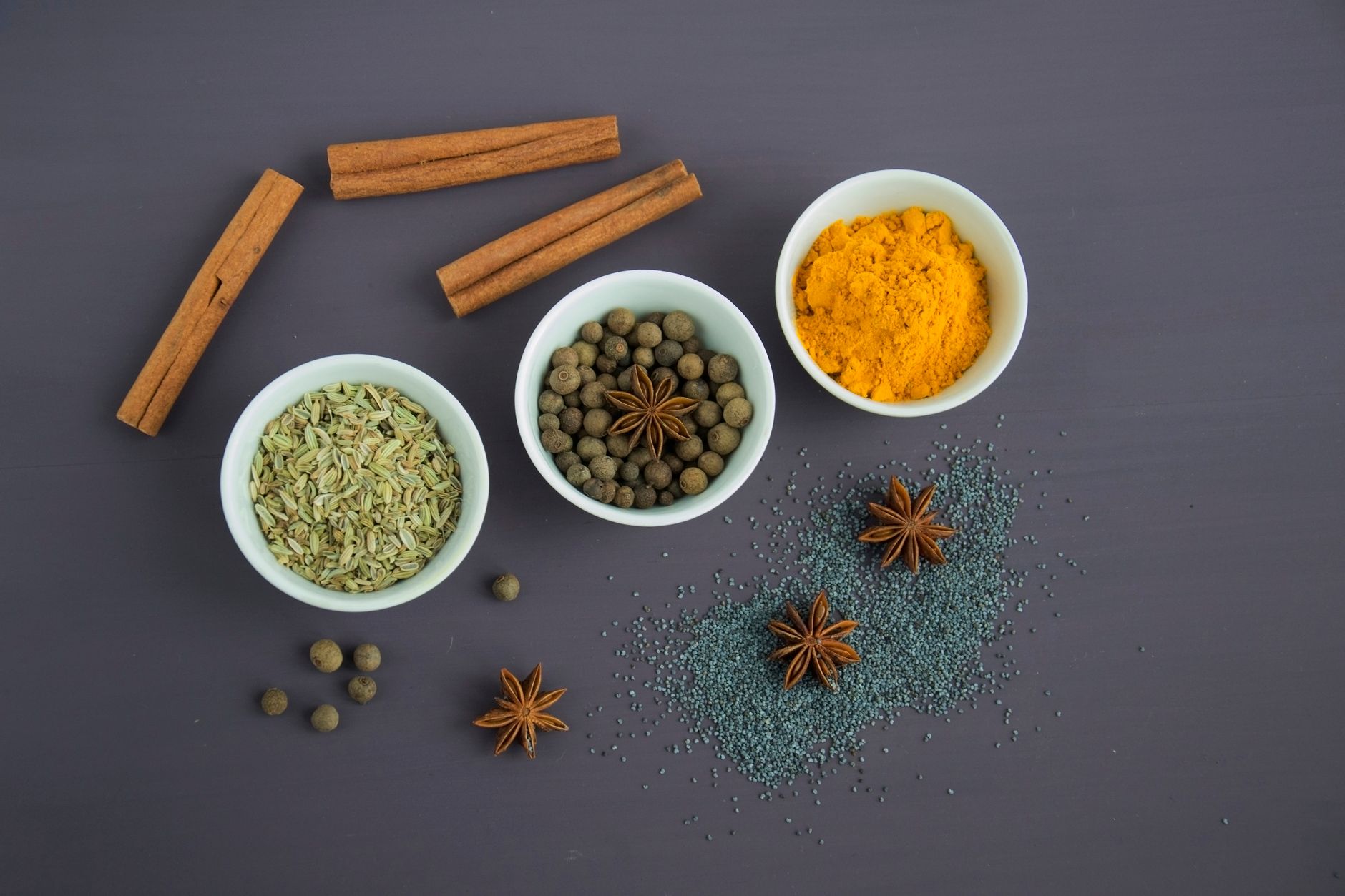
Fennel and anise are often confused due to their similar flavor profiles and culinary uses. While they share some characteristics, they are distinct herbs with different properties, appearances, and applications in cooking. Understanding the differences between them can enhance your cooking and help you select the right ingredient for your culinary creations.
In this article, we will explore the key differences between fennel and anise, their unique flavors, and various kitchen uses. We’ll also cover substitution options, cooking techniques, and tips to ensure you’re making the best choice for your recipes.
Is Fennel and Anise the Same?
No, fennel and anise are not the same; they come from different plant families. Fennel (Foeniculum vulgare) is a vegetable and herb from the Apiaceae family, while anise (Pimpinella anisum) is a spice from the same family. They possess different appearances, tastes, and culinary applications.
Understanding Fennel
Fennel is a versatile herb characterized by its bulbous stem, feathery fronds, and yellow flowers. It has a sweet, anise-like flavor, but it’s more complex and less intense than anise. The bulb, stalk, fronds, and seeds of fennel are all edible and can be used in various ways.
Flavor and Aroma
The flavor of fennel is often described as sweet and slightly licorice-like, with hints of citrus and earthiness. When cooked, fennel’s flavor mellows and becomes more aromatic. Raw fennel has a crunchy texture, making it an ideal addition to salads or as a snack.
Culinary Uses
Fennel is commonly used in Mediterranean cuisine and can be prepared in various ways:
- Raw salads: Thinly sliced fennel adds crunch to salads.
- Roasting: Roasting fennel caramelizes its natural sugars, enhancing its sweetness.
- Soups and stews: Fennel can be sautéed and added to soups or stews for depth of flavor.
- Seasoning: Fennel fronds can be used as an herb to garnish or flavor dishes.
- Infused oils: Fennel seeds can flavor oils or vinegars.
Choosing and Storing Fennel
When selecting fennel, look for firm bulbs with crisp fronds and no blemishes. The bulbs should be white to pale green and feel heavy for their size. Store fennel in the refrigerator in a plastic bag for up to a week. If the fronds are still attached, avoid washing until ready to use, as moisture can lead to spoilage.
Understanding Anise
Anise, on the other hand, is primarily known for its seeds, which are small, oval, and resemble caraway in shape. Anise seeds are commonly used as a spice in various cuisines due to their strong, sweet, and licorice-like flavor. The plant produces white flowers and is herbaceous, growing to about three feet tall.
Flavor and Aroma
Anise has a much more potent flavor than fennel. Its intense sweet and licorice-like taste is distinctive and can overpower milder ingredients. The aroma is sweet and fragrant, often associated with baked goods, candies, and liqueurs.
Culinary Uses
Anise is widely used in both savory and sweet dishes across global cuisines:
- Bakery products: Anise seeds are often found in breads, cakes, and cookies.
- Medicinal teas: Anise is often used in herbal teas with digestive benefits.
- Liquors: It is a key flavor in clear spirits like ouzo and sambuca.
- Spice blends: Anise seeds are sometimes found in spice mixes for savory dishes.
Choosing and Storing Anise
When selecting anise seeds, look for whole seeds that are aromatic and free from moisture. Store anise seeds in an airtight container in a cool, dark place for up to six months. Ground anise loses its flavor quickly, so it’s best to purchase whole seeds and grind them as needed.
Comparing Fennel and Anise
Despite their similarities, fennel and anise have significant differences in taste, usage, and forms. Here’s a quick comparison:
| Feature | Fennel | Anise |
|---|---|---|
| Type | Vegetable and herb | Spice |
| Flavor | Sweet, mild licorice | Sweet, strong licorice |
| Parts Used | Bulb, stalks, fronds, seeds | Seeds (and occasionally leaves) |
| Culinary Uses | Salads, soups, roasting | Baking, liquors, spice blends |
| Appearance | Bulbous bulb with fronds | Small, oval, brown seeds |
Substituting Fennel and Anise
Understanding how to substitute fennel and anise can help you make the most of your recipes. They can sometimes be used in place of each other, but be cautious due to their differing flavor intensities.
Substituting Fennel for Anise
If you need a lighter, less intense flavor, you can substitute fennel for anise in a recipe. Use the following ratios:
- 1 teaspoon of anise seeds = 2-3 teaspoons of finely chopped fennel fronds or bulb.
When using fennel in place of anise, remember that the licorice flavor will be more subtle. Adjust accordingly by adding more fennel as needed.
Substituting Anise for Fennel
Conversely, when substituting anise for fennel, use caution as the flavor intensity is much stronger. Start with:
- 1 teaspoon of finely ground anise seeds = 2 teaspoons of finely chopped fennel.
Be prepared for a more pronounced licorice flavor when making this substitution, which may alter the dish’s overall balance.
Cooking Techniques with Fennel and Anise
Both fennel and anise can be used in various cooking techniques to enhance your dishes. Here’s an overview of the most common methods.
Sautéing Fennel
Sautéing is an excellent technique to bring out the sweet flavors of fennel. Heat a tablespoon of oil in a skillet over medium heat. Add sliced fennel and cook until tender, about 5-7 minutes. This method works well for salads, pastas, or as a side dish.
Roasting Fennel
Roasting fennel caramelizes its sugars, enhancing its sweetness and flavor. Cut the fennel bulb into wedges, toss with olive oil, salt, and pepper, and roast at 400°F (200°C) for about 30-35 minutes until golden and tender. Roasted fennel pairs well with fish, poultry, or in grain salads.
Infusing Anise into Liquids
To impart anise flavor to liquids, such as sauces or stocks, add whole anise seeds to the pot. Let them simmer for a while before straining them out. This method allows you to control the intensity of the flavor and infuse it into recipes without overwhelming them.
Baking with Anise
In baking, anise seeds can be added directly to doughs or batters. For flavoring cookies or breads, start with 1 teaspoon of ground anise seeds for every cup of flour. Adjust based on personal preference and desired strength of flavor.
Common Mistakes When Using Fennel and Anise
When working with fennel and anise, here are a few common errors to avoid:
- Overusing anise: Due to its strong flavor, it’s easy to overpower a dish if too much anise is added.
- Improper storage: Fennel should be kept in the refrigerator, while anise should be stored in a cool, dark place to preserve freshness.
- Ignoring textures: Using raw fennel in dishes without considering the texture may lead to a disappointing crunch.
Pairing Fennel and Anise with Other Ingredients
Understanding how to pair fennel and anise with other ingredients will elevate your cooking. Here are some great pairing suggestions:
Fennel Pairings
- Citrus: Fennel’s sweetness complements bright flavors from oranges or lemons.
- Seafood: Fennel pairs beautifully with fish, enhancing its delicate flavors.
- Cheese: Fennel bulb can be paired with creamy cheeses such as goat cheese or ricotta.
Anise Pairings
- Sweet spices: Cinnamon and nutmeg work well with anise in baked goods.
- Cacao: Anise can add depth to chocolate desserts, creating unique flavor profiles.
- Citrus: The bright flavor of lemon or orange can balance the intensity of anise.
Conclusion
Fennel and anise, while similar in flavor complexity, are distinct ingredients with their own unique culinary roles. Understanding the differences between them allows you to choose the right herb or spice for your dishes. Whether you are crafting a fresh salad with fennel or baking a dessert flavored with anise, knowing these ingredients will help you achieve depth and flavor in your cooking.
Next time you find yourself at the grocery store, consider experimenting with these two flavors. Explore fresh salads, roasted sides, or spiced baked goods, and discover the wonderful ways fennel and anise can enhance your meals.
For more cooking tips, ingredient guides, and delicious recipes, be sure to explore our food blog for insights on meal planning, using fresh herbs, and enhancing flavors in your dishes.