
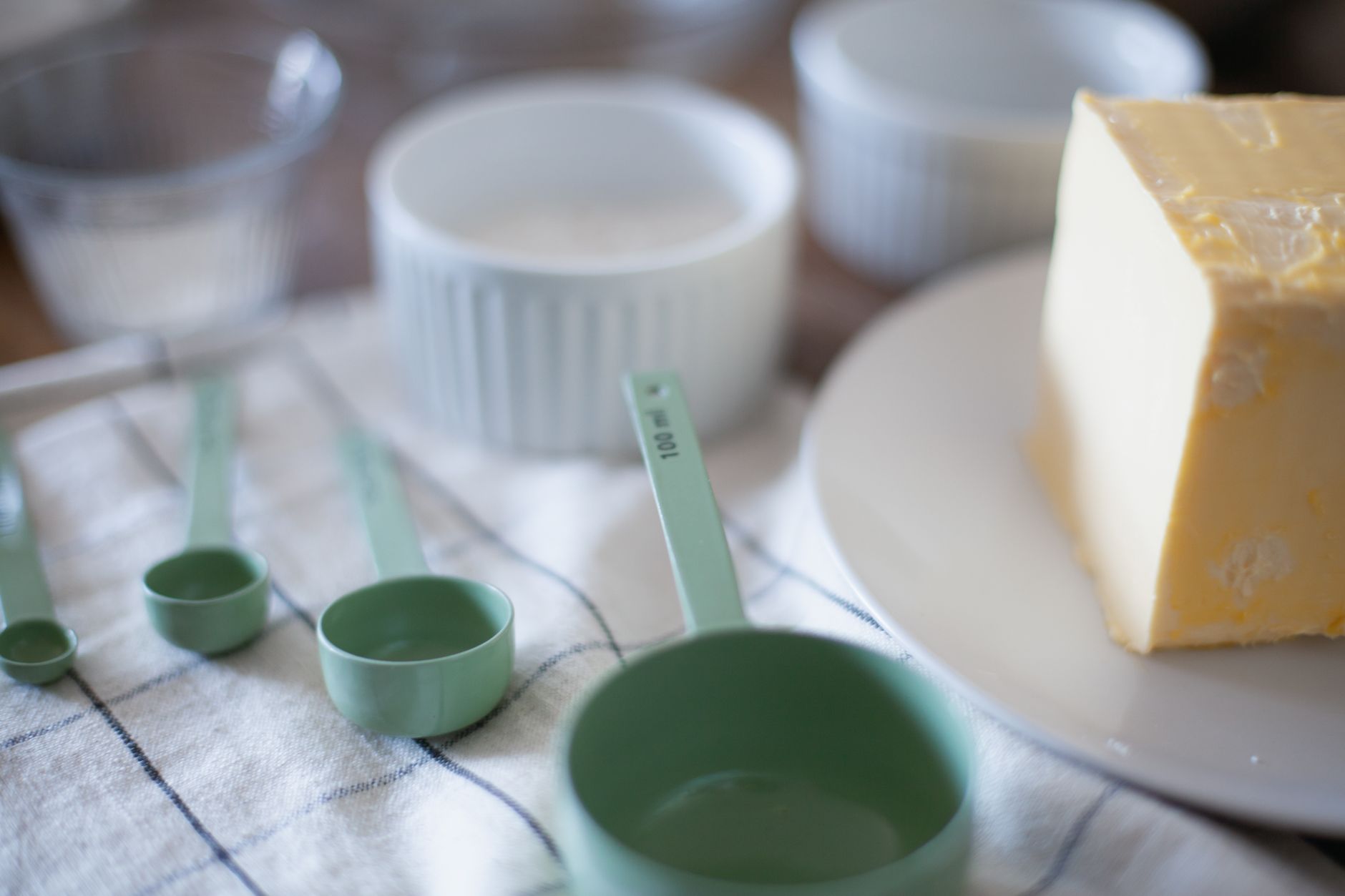
Understanding kitchen measurements is crucial for successful cooking and baking. One common question that arises is how many tablespoons are in a quarter cup of butter. Knowing this conversion can simplify recipes, improve accuracy, and elevate the overall cooking experience.
This article will answer that question and also explore the significance of butter in cooking, different types of butter, and tips for measuring and using butter effectively.
How Many Tbsp In 1/4 Cup Butter?
There are 4 tablespoons in 1/4 cup of butter. This is a standard measurement and commonly used in many recipes.
The Importance of Butter in Cooking
Butter is a fundamental ingredient in various culinary applications, adding flavor, texture, and richness to dishes ranging from baked goods to savory sauces. Its creamy consistency and natural flavor enhance the overall profile of recipes.
In baking, butter serves multiple roles: it provides moisture, contributes to the structure, and helps with leavening when creamed with sugar. Its unique properties make it an essential ingredient in both sweet and savory culinary applications.
Types of Butter
Understanding the different types of butter available can help you choose the right one for your needs. Here’s a breakdown of the most common types:
- Unsalted Butter: This is the most commonly used butter in baking. It allows for precise control over the salt content in a recipe.
- Salted Butter: Contains added salt for flavor. While it can be used in baking, it may alter the overall taste of the final product.
- European Style Butter: This butter has a higher fat content (around 82%) than standard butter (around 80%). It offers a richer flavor and creamier texture.
- Clarified Butter: Made by removing milk solids and water, clarified butter has a higher smoke point, making it ideal for frying and sautéing.
- Vegan Butter: Plant-based alternatives that mimic the properties of dairy butter, suitable for those following a vegan diet.
Measuring Butter Accurately
Accurate measurement of butter is essential, especially in baking, where precise ratios are critical. Here are some tips on how to measure butter correctly:
- Use a Scale: For the most precision, use a kitchen scale to weigh your butter. One stick of butter typically weighs 113 grams or 4 ounces, which is equivalent to 1/2 cup.
- Butter Stick Measurements: In the U.S., butter sticks are marked with tablespoon measurements on the wrapper. Cut along these lines for easy measuring.
- Using a Liquid Measuring Cup: Cut the butter into smaller pieces and pack it into a liquid measuring cup if you don’t have stick measurements or a scale. Make sure to level it off for accuracy.
How to Soften Butter
Many recipes require softened butter for creaming with sugar or incorporating into doughs. Here’s how to safely soften butter:
- Room Temperature: Leave butter out at room temperature for about an hour before using.
- Microwave Method: Cut butter into smaller pieces and microwave it in short intervals (5-10 seconds) until softened but not melted.
- Grating Method: Grate cold butter into a bowl; it will soften quicker than whole sticks.
Common Mistakes When Using Butter
Utilizing butter in recipes can yield less-than-ideal results if common mistakes are made. Here are tips to avoid such pitfalls:
- Overheating Butter: When melting butter, ensure it does not boil as this can alter the texture and flavor.
- Using Cold Butter in Recipes That Require Softened Butter: Cold butter can lead to dense baked goods. Always ensure your butter is at the appropriate temperature as directed in the recipe.
- Incorrect Measurements: As stated earlier, precision is key. Double-check measurements to avoid overwhelming or underwhelming your dish.
Substituting Butter in Recipes
If you find yourself out of butter or need a dairy-free option, there are several substitutes. Here’s a list of reliable butter alternatives:
- Shortening: A suitable option for baking; it provides a similar texture but less flavor.
- Coconut Oil: Offers a different flavor profile but works great in baking at a 1:1 ratio.
- Applesauce: Can be used for moisture in baking with a reduction in fat; typically replace half of the butter with applesauce.
- Margarine: Though not ideal, margarine can be used as a substitute for butter at a 1:1 ratio but check for any additional flavors.
Cooking with Butter: Practical Tips
Utilizing butter effectively can enhance your cooking. Here are some practical tips:
- Cooking Techniques: Use butter for sautéing and finishing dishes; its flavor complements many ingredients well.
- Storage: Store butter in the refrigerator or freezer for longer shelf life. Wrap it well to prevent absorption of odors.
- Greasing Pans: Using butter to grease pans before baking can add flavor and prevent sticking.
Butter in Baking
In baking, the role of butter cannot be overstated. It influences not only flavor and fat content but also the texture of the final product. Here’s how butter impacts different baked goods:
- Cakes: Creaming butter with sugar creates air pockets for lighter cakes.
- Cookies: The type of butter—softened, melted, or cold—affects the spread and chewiness of cookies.
- Pies and Pastries: Using cold butter contributes to flaky layers in pie crusts and pastries.
Working with Butter for Dietary Preferences
So many people nowadays are exploring dietary preferences that may require modifications with ingredients like butter. Here’s how to cater to your guests:
- For Vegans: Experiment with plant-based butter or coconut oil in recipes that call for butter.
- For Lactose Intolerance: Use lactose-free butter or vegan margarine alternatives.
- For Healthy Options: Avocado or olive oil can be used in specific recipes, but may alter the flavor and texture.
Final Thoughts on Butter Measurements
Butter remains a key player in various kitchens around the world, allowing for amazing flavor profiles and textures across cuisines. Whether you need to measure it for a recipe or substitute it, knowing the exact measurements can make a significant difference.
So next time you find yourself asking, “How many tablespoons in a quarter cup of butter,” remember the answer is 4 tablespoons. This knowledge will help streamline your cooking and baking efforts!
For those interested in enhancing their butter skills, check out this clarified butter recipe or try your hand at buttery treats like butter swim biscuits.