
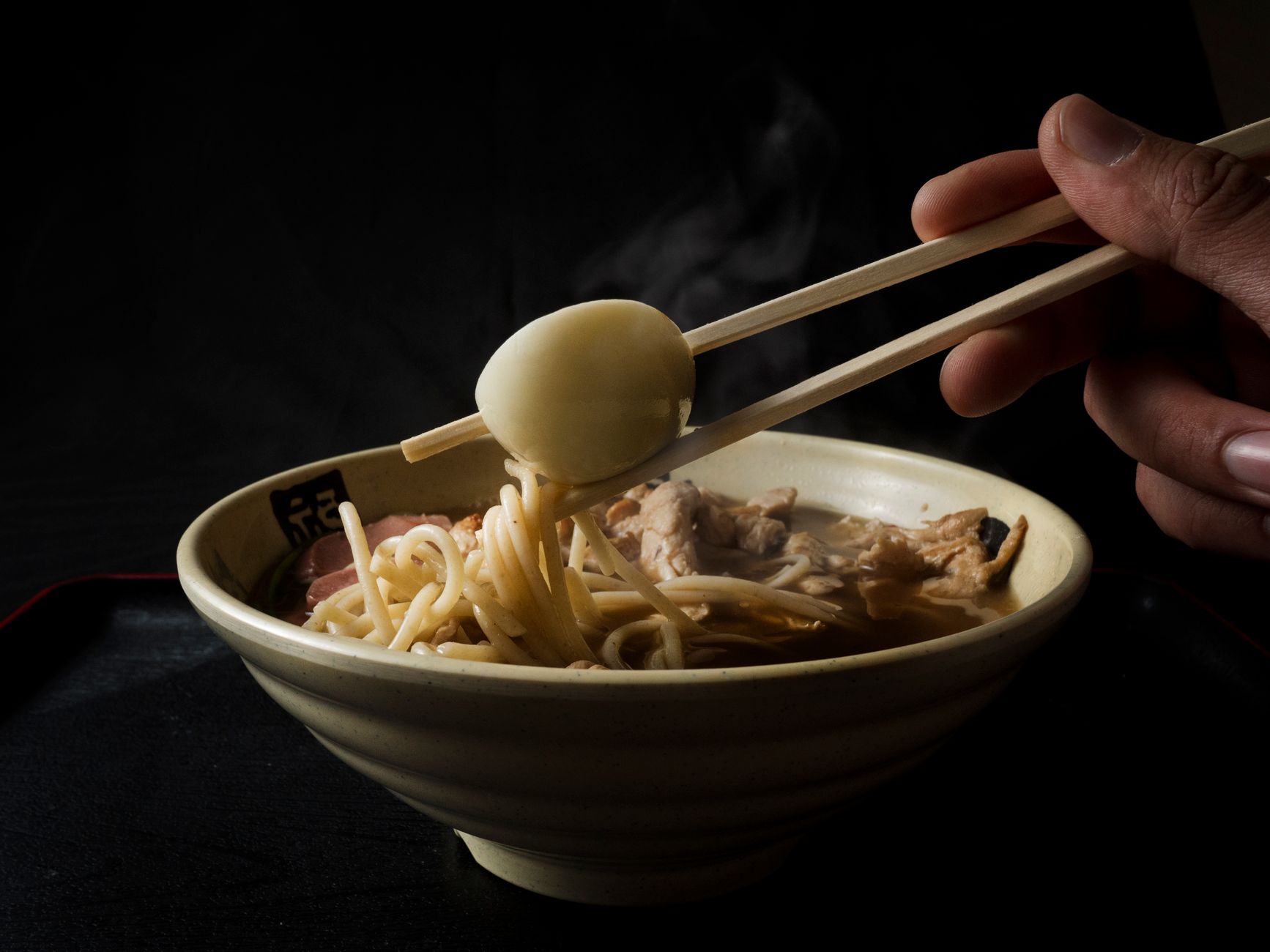
Ramen noodles, an iconic staple of Japanese cuisine, have gained immense popularity worldwide. Often associated with comfort food, they come in various forms, from instant packets to gourmet bowls served in restaurants. Understanding the calorie content of ramen noodles can help you make informed dietary choices.
This article explores how many calories are typically found in different types of ramen, nutritional information, portion sizes, and other important factors influencing calorie content.
How Many Calories in Ramen Noodles?
The calorie content of ramen noodles varies significantly based on the type and preparation method. On average, a standard serving of prepared instant ramen (about 85 grams or three ounces) contains approximately 350 to 400 calories. Gourmet ramen at restaurants can range from 500 to over 1000 calories, depending on toppings and broth used.
Types of Ramen Noodles
To understand the calorie content fully, it’s essential to recognize the different types of ramen noodles. Here are the most common varieties:
- Instant Ramen: Pre-cooked and dehydrated, instant noodles are quick to prepare. They typically contain 350-500 calories per serving, which includes the flavor packet.
- Fresh Ramen: These noodles are made with wheat flour and egg, resulting in a richer texture and taste. A bowl of fresh ramen in broth can contain 500-800 calories, depending on additional ingredients.
- Dry Ramen: Commonly found in Asian grocery stores, dry ramen is less processed than instant varieties. The calorie count can be around 200-300 calories per serving before cooking.
- Whole Wheat Ramen: A healthier alternative, whole wheat ramen offers more fiber and nutrition, generally containing about 250-350 calories per serving.
Nutritional Breakdown of Ramen Noodles
Beyond calories, it’s crucial to consider the overall nutritional profile of ramen noodles. Here’s a typical breakdown based on instant ramen:
| Nutrient | Amount per serving (85g) |
|---|---|
| Calories | 350-400 |
| Total Fat | 15g |
| Saturated Fat | 7g |
| Cholesterol | 0mg |
| Sodium | 1500mg |
| Total Carbohydrates | 50g |
| Dietary Fiber | 3g |
| Sugars | 1g |
| Protein | 7g |
| Iron | 10% DV |
It’s worth noting that instant ramen tends to be high in sodium, which is a consideration for those monitoring their salt intake. Fresh and whole-wheat varieties may have a slightly different nutritional profile but are generally healthier options.
Portion Sizes and Serving Suggestions
Understanding portion sizes is essential for managing calorie intake. A standard serving for instant ramen is typically one package (85 grams), while a restaurant bowl tend to be larger, often containing 150-200 grams of noodles.
How to Adjust Portion Sizes
If you are conscious about caloric intake, consider the following tips:
- Split Servings: Share a bowl of ramen with someone to reduce your individual calorie count.
- Add Vegetables: Incorporate vegetables like spinach, bok choy, or carrots to boost fiber intake without significantly raising calories.
- Control Noodle Quantity: Measure your noodles before cooking to customize your portions according to your dietary needs.
Why Is Ramen So High in Calories?
The calorie count in ramen noodles, particularly instant varieties, primarily comes from refined carbohydrates, fats, and sodium. The combination of frying during processing (for instant noodles) and flavorful seasoning packets enhances both taste and calorie density.
Common Mistakes When Eating Ramen
While ramen can fit into a balanced diet, certain pitfalls can lead to excessive calorie intake or unhealthy eating habits:
- Ignoring the Sodium Content: In addition to calories, ignore the sodium levels at your own peril, as many ramen types contain a significant amount of salt. High sodium diets can lead to health issues over time.
- Adding High-Calorie Toppings: Toppings such as fried eggs, pork belly, or extra sauces can substantially increase the overall calorie count. Consider lighter toppings, like green onions or spinach.
- Relying on Instant Ramen: While convenient, relying solely on instant ramen may lead to nutritional deficiencies, as they lack essential vitamins and minerals. Balance your meals with fruits, vegetables, and proteins.
Healthier Alternatives to Traditional Ramen
If you’re looking for lower-calorie options that still satisfy your noodle cravings, consider these alternatives:
- Shirataki Noodles: Often made from konjac yam, these noodles are extremely low in calories (around 10-20 per serving) and high in dietary fiber.
- Zucchini Noodles (Zoodles): Spiralized zucchini offers a fresh alternative to traditional noodles, making it lower in calories and packed with antioxidants.
- Whole Grain Pasta: Similar to whole wheat ramen, whole grain pasta provides more fiber and nutrients, typically containing around 150-200 calories per serving.
Making Ramen More Nutritious
There are several ways to enhance the nutritional content of your ramen dish without dramatically increasing the calorie count:
- Add Protein: Boost your meal by adding a source of lean protein like chicken breast, tofu, or boiled eggs. This addition can keep you fuller for longer and balance out your meal.
- Use Homemade Broth: Instead of instant seasoning packs, consider making a homemade broth. This can significantly reduce sodium levels and allow for more control over ingredients.
- Include Healthy Fats: Toppings like avocado or sesame oil can add flavor and healthy fats while keeping the dish vibrant and satisfying.
Tips for Cooking Ramen Noodles
Cooking ramen properly can greatly influence its flavor and nutritional value. Here are essential tips for preparing ramen noodles:
- Follow Package Instructions: Pay close attention to cooking times on instant ramen packs to avoid mushy noodles.
- Don’t Overcook: Strain the noodles when they reach the al dente stage, especially if you plan to add them to a hot broth.
- Customize Flavor: Experiment with spices, herbs, and condiments to create your unique flavor profile without relying solely on seasoning packets.
Storage and Reheating
Storing and reheating ramen can affect its taste and texture. Here are some practical guidelines:
- Store Leftovers Properly: Refrigerate any leftover ramen in an airtight container to maintain freshness. Consume within 2-3 days.
- Reheat Gently: When reheating, add a splash of water to prevent drying out and heat slowly on the stovetop or microwave.
- Avoid Freezing: Freezing ramen is not recommended, as it can lead to a degraded texture upon defrosting.
Conclusion
Overall, understanding the calorie content of ramen noodles allows you to enjoy this beloved dish while making informed choices about your diet. By being mindful of portion sizes, enhancing nutritional value, and avoiding common pitfalls, you can incorporate ramen into your meals healthily.
For unique recipes such as a creamy ramen or a custom ramen seasoning mix, feel free to explore our related content: creamy ramen recipe and ramen seasoning recipe.