
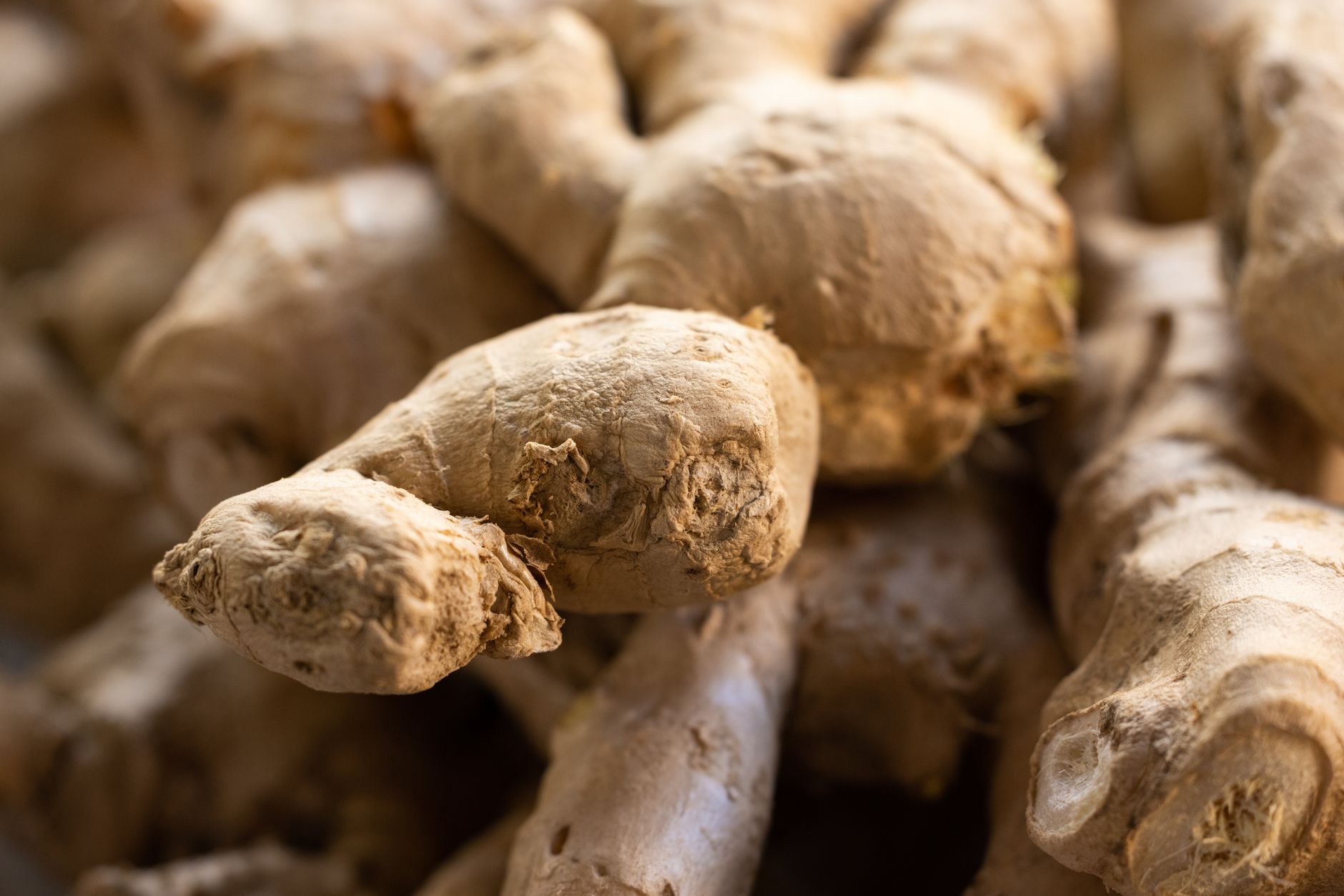
Ginger root is a popular ingredient known for its aromatic flavor and numerous culinary applications. It not only enhances the taste of various dishes but also brings health benefits. If you find yourself with more ginger than you can use, freezing it can be a great way to extend its shelf life. But can you freeze ginger root?
Yes, you can freeze ginger root effectively, allowing you to preserve its flavor and aroma for future use. Proper freezing techniques help maintain its quality, whether you plan to use it in soups, stir-fries, baking, or beverages.
Can You Freeze Ginger Root?
Freezing ginger root is indeed permissible and is a practical way to ensure you always have this versatile ingredient on hand. When frozen properly, ginger retains its flavor, making it suitable for various recipes, from savory dishes to sweet treats.
There are several ways to freeze ginger root, each with benefits depending on your intended use. In this guide, we will explore the best freezing methods, thawing tips, and storage recommendations to ensure that your ginger remains fresh and flavorful.
Why Freeze Ginger Root?
Freezing ginger root presents several advantages:
- Extended shelf life: Fresh ginger can spoil within a few weeks. Freezing extends its usable lifespan to several months.
- Convenience: Having frozen ginger on hand means you can easily add it to recipes without the need for frequent shopping trips.
- Reduced waste: Freezing excess ginger helps prevent waste, allowing you to use every bit of this valuable ingredient.
- Easy preparation: Frozen ginger can be grated or chopped straight from the freezer, making it quick to add to your favorite dishes.
How to Freeze Ginger Root
Freezing ginger root is straightforward, but following the right steps is crucial for preserving its quality. Here are detailed methods for freezing ginger:
1. Freezing Whole Ginger Root
This method is simple and requires minimal preparation. Here’s how to do it:
- Clean the ginger: Rinse the ginger root under running water to remove any dirt or debris. Pat it dry with a paper towel.
- Wrap it tightly: Place the whole ginger root in a freezer-safe zip-top bag. Squeeze out as much air as possible before sealing the bag. Alternatively, you can wrap the ginger in plastic wrap and then place it in the bag for extra protection.
- Label and freeze: Write the date on the bag, then place it in the freezer. Whole ginger can be stored for up to six months.
2. Grating and Freezing Ginger
If you often use ginger in grated form, this method offers the best convenience:
- Prepare the ginger: Just like the previous method, start by washing and drying the ginger root.
- Grate the ginger: Use a microplane or box grater to grate the desired amount of ginger.
- Portion the ginger: Place the grated ginger into ice cube trays, filling each compartment about three-quarters full, leaving room for expansion as it freezes.
- Freeze until solid: Allow the ginger to freeze for several hours or until completely solid.
- Transfer to a bag: Once frozen, pop the ginger cubes out of the tray and transfer them to a freezer-safe bag or container.
- Label and store: Ensure to date the storage bag and place it back in the freezer. Grated ginger can last up to six months.
3. Slicing and Freezing Ginger
This method is suitable if you prefer slices of ginger for recipes:
- Clean the ginger: Wash and dry the ginger, then peel it using a spoon or vegetable peeler.
- Slice the ginger: Cut the ginger root into thin slices, about 1/4-inch thick for even freezing and easy usage.
- Flash freeze (optional): To prevent the slices from sticking together, spread them out on a baking sheet lined with parchment paper and freeze them for about one hour.
- Packing for storage: After flash freezing, transfer the slices into a freezer-safe bag, removing as much air as possible before sealing.
- Label and freeze: Mark the bag with the date and store it in the freezer. Sliced ginger also lasts for up to six months.
Thawing Frozen Ginger Root
Thawing ginger root should be done with care to maintain its flavor and texture. Here are the recommended methods:
1. Thawing in the Refrigerator
The best way to thaw frozen ginger is to place it in the refrigerator overnight. This slow thawing preserves its quality and flavor, making it ready for use.
2. Quick Thawing
If you need ginger quickly, you can use the following methods:
- Countertop thawing: Leave the frozen ginger on the countertop for about 30 minutes to an hour, depending on the size of the piece.
- Microwave: For grated ginger, you can use the defrost setting on your microwave for 15-30 seconds. Keep a close watch to avoid cooking it.
Using Frozen Ginger Root
Frozen ginger can be used directly in recipes without needing to fully thaw it, especially if it has been grated or sliced:
- Soups and stews: Add frozen ginger pieces directly to the pot while cooking.
- Stir-fries: Toss in frozen ginger cubes when sautéing vegetables or proteins for added flavor.
- Baking: Incorporate grated ginger into batters and doughs straight from the freezer.
- Drinks: Use frozen ginger chunks in smoothies or teas for a refreshing kick.
Tips for Freezing and Storing Ginger Root
To make the most of your frozen ginger root, consider the following tips:
- Choose fresh ginger: Select ginger that is firm, smooth, and free from wrinkles. Fresh ginger will yield better results when frozen.
- Avoid freezer burn: Ensure all air is removed from storage bags to avoid freezer burn, which can compromise flavor.
- Keep it dry: Excess moisture can lead to ice crystals forming, impacting the texture. Always ensure ginger is well-dried before freezing.
- Portion wisely: Consider how you often use ginger when portioning for freezing. Smaller amounts can make it easier to grab what you need.
Common Mistakes When Freezing Ginger Root
Pay attention to these common pitfalls to ensure the best results:
- Not sealing properly: Failing to remove air from bags can lead to freezer burn and loss of flavor.
- Freezing with peel: While freezing unpeeled ginger is possible, peeling before freezing results in better flavor extraction.
- Thawing improperly: Rapid thawing methods can affect the texture of ginger. Opt for slow thaw whenever possible.
- Ignoring staleness: Using older ginger may yield a less potent flavor, so always start with fresh root.
Conclusion
Freezing ginger root is an effective way to preserve this flavorful ingredient for future cooking. By following the correct methods for freezing, thawing, and using ginger, you can keep it fresh for up to six months. Whether you choose to freeze it whole, grated, or sliced, these techniques will certainly offer convenience in your cooking routine.
Next time you’re at the store, consider stocking up on ginger and freezing it for future use. To explore more about ginger, consider checking out our guides on ginger syrup recipes and details on what ginger is and its uses.