
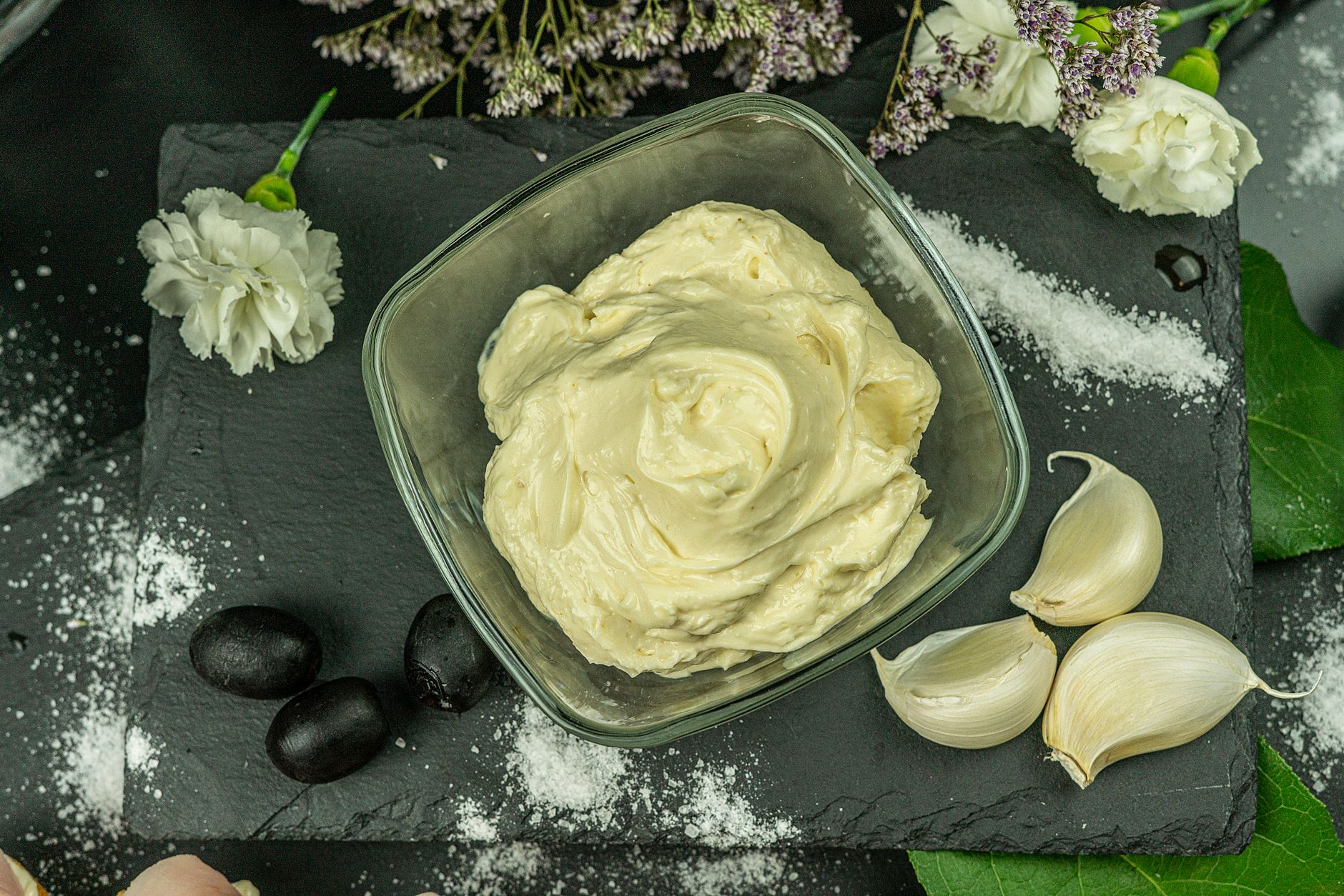
Mayonnaise is a popular condiment renowned for its creamy texture and versatility in various dishes. Many people enjoy it on sandwiches, in salads, and as a base for dressings. However, a common question arises when it comes to its ingredients: does mayonnaise contain milk? This article will explore the ingredients of mayonnaise, whether it includes milk, and provide practical tips for using and storing this beloved condiment.
To understand the question of milk in mayonnaise, we will delve into its composition, variations, and suitable alternatives for those with dietary restrictions. By examining both traditional and alternative mayonnaise options, readers can make informed decisions that meet their dietary needs and preferences.
Does Mayo Have Milk In It?
No, traditional mayonnaise does not contain milk. The primary ingredients in classic mayonnaise include oil, egg yolks, vinegar or lemon juice, and mustard. These ingredients come together to create an emulsion, giving mayonnaise its characteristic creamy texture. While some commercial variations might add ingredients that contain dairy, traditional recipes do not include milk as a component.
The Ingredients of Mayonnaise
Understanding the typical components of mayonnaise is essential in deciding its suitability for your diet. Below are the main ingredients commonly found in mayonnaise:
- Oil: Neutral oils like canola, vegetable, or olive oil serve as the primary fat source in mayonnaise, providing a rich flavor and creamy texture.
- Egg Yolks: Egg yolks act as emulsifiers, helping to combine oil and water-based ingredients smoothly.
- Vinegar or Lemon Juice: These acidic components contribute to the tangy flavor and preserve the mayonnaise.
- Mustard: While optional, mustard adds flavor and can enhance the emulsion process.
Milk-Free Mayonnaise Options
For those who are lactose intolerant or following a dairy-free diet, finding a safe mayonnaise option is crucial. Fortunately, there are several alternatives available:
- Dairy-Free Mayonnaise: Many brands produce mayonnaise without dairy, typically using the same oil and emulsification methods as traditional recipes, but without any egg or milk products.
- Vegan Mayonnaise: This type of mayonnaise replaces egg yolks with plant-based ingredients, such as aquafaba (chickpea brine) or silken tofu, to achieve a similar texture and flavor profile.
- Homemade Vegan Mayonnaise: For those preferring homemade versions, a simple recipe can include a plant-based milk, oil, vinegar, and mustard for a creamy spread.
Making Homemade Mayonnaise
Making mayonnaise at home allows you to control the ingredients, ensuring no milk or dairy-related products. Below is a straightforward recipe for classic homemade mayonnaise:
Yield
This recipe yields approximately 1 cup of mayonnaise.
Preparation Time
Preparation time is about 10 minutes.
Ingredient List
- 1 large egg yolk
- 1 tablespoon Dijon mustard
- 1 tablespoon white wine vinegar (or lemon juice)
- 1 cup oil (canola, vegetable, or light olive oil)
- Salt to taste
Essential Equipment
- Mixing bowl
- Whisk or immersion blender
- Measuring cups and spoons
- Storage container
Method
- In a mixing bowl, whisk together the egg yolk, Dijon mustard, and vinegar until well combined.
- Begin to slowly drizzle in the oil, starting with just a few drops at a time while whisking vigorously to create an emulsion.
- As the mixture begins to thicken, you can gradually add the oil more quickly while continuing to whisk.
- Once the mayonnaise reaches your desired consistency, season with salt to taste.
- Transfer the mayonnaise to a storage container and refrigerate. Use within one week.
Alternative Ways to Use Mayonnaise
Beyond being a sandwich spread, mayonnaise can be a versatile ingredient in the kitchen. Here are some creative usages of mayonnaise:
- Salads: Use mayonnaise as a base for creamy salads like potato salad, coleslaw, or chicken salad.
- Dressings: Combine mayonnaise with herbs, spices, or yogurt to create flavorful dressings for salads and dips.
- Baking: Surprisingly, mayonnaise can be used in baking to enhance moisture in cakes and muffins.
- Marinades: Use mayonnaise in marinades to tenderize meats, adding flavor and moisture.
Storage and Shelf Life of Mayonnaise
Proper storage is key to maintaining the quality and safety of mayonnaise. Here are essential tips for storing homemade and store-bought mayo:
- Refrigerate immediately after preparation or upon opening a jar of store-bought mayonnaise.
- Homemade mayonnaise can be stored in an airtight container in the refrigerator for up to one week.
- Check commercial mayonnaise for “best by” dates when purchasing, and consume it before that date for optimal quality.
Common Mistakes When Making Mayonnaise
When making mayonnaise at home, it’s easy to run into some pitfalls. Here are a few common mistakes and how to avoid them:
- Adding Oil Too Quickly: This can result in a broken emulsion. Start with a small amount and gradually increase once the emulsion forms.
- Using Cold Ingredients: Using cold ingredients can hinder emulsification. Ensure your eggs are at room temperature for the best results.
- Not Whisking Enough: Consistent whisking is crucial for creating the proper texture. If using a blender, ensure it is on high speed for adequate mixing.
FAQs about Mayonnaise and Milk
Does all mayonnaise contain milk?
No, traditional mayonnaise does not contain milk. However, some commercial varieties may include dairy ingredients. Always check the label if dairy is a concern.
Can I use mayonnaise as a substitute for milk?
While mayonnaise can’t directly replace milk due to its consistency and flavor, it can work as a moistening agent in certain baking recipes. Use cautiously and consider adjusting other fats in the recipe.
Is store-bought mayonnaise dairy-free?
Many brands offer dairy-free mayonnaise options. Always read the ingredient list to ensure that milk or dairy-based components are not included.
Considering Dietary Restrictions
When it comes to dietary restrictions, awareness of ingredient labeling is essential, particularly for mayonnaise. Here are some considerations:
- For vegans or those with egg allergies, look for mayonnaise made without egg or dairy, which is often labeled as vegan.
- Individuals with lactose intolerance should also verify that their mayonnaise is free of dairy ingredients or opt for specialty brands marked as dairy-free.
- Those following a keto diet may prefer mayonnaise due to its low-carb content but should ensure they choose options free from added sugars or carbs.
Alternatives to Traditional Mayonnaise
Aside from vegan and dairy-free options, there are many alternatives that mimic the taste and texture of mayonnaise:
- Avocado: Mashed avocado can serve as a creamy substitute, suitable for spreads or dressings.
- Greek Yogurt: This can be a healthier alternative, offering similar creaminess while being lower in fat—check for lactose-free options if needed.
- Silken Tofu: Blended silken tofu creates a smooth, creamy texture, making it an excellent base for dressings, dips, and spreads.
Conclusion
In summary, traditional mayonnaise does not include milk. Understanding the ingredients and potential alternatives allows you to navigate your dietary preferences effectively. Whether you choose to make your own or purchase a suitable store-bought option, mayonnaise remains a versatile and delicious condiment that can enhance various dishes. For more insights into healthy eating, check out our guide on whether mayo is bad for you or discover the best kinds of milk to use for your latte art.
Explore related recipes, cooking tips, or food guides to further enhance your culinary skills and knowledge!