
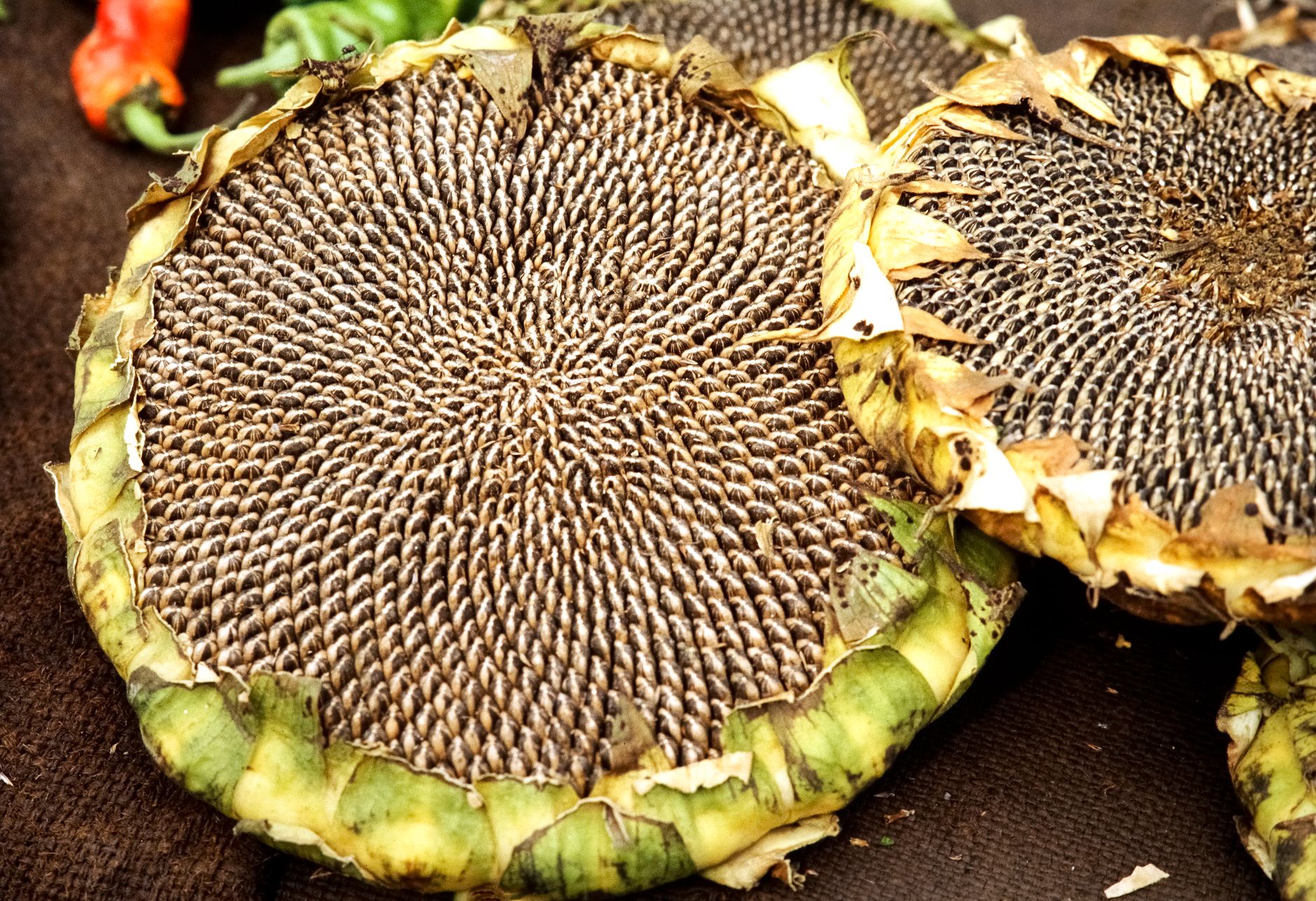
Sunflower seeds are a popular snack, known for their nutty flavor and satisfying crunch. Beyond being a delicious treat, many people wonder if they also carry certain digestive effects, particularly if they can aid in promoting regular bowel movements. In this article, we will explore the connection between sunflower seeds and digestion, providing insights into their nutritional content, consumption guidelines, and potential impact on your digestive health.
Understanding how sunflower seeds affect digestion can help you incorporate them into your diet in a manner that enhances your overall health. Whether you crave a healthy snack or are looking for ways to improve your digestive health, the information provided here will guide you through the process.
Do Sunflower Seeds Make You Poop?
Yes, sunflower seeds can promote bowel movements in some individuals due to their high fiber content and healthy fats. The insoluble fiber in sunflower seeds helps regulate digestion and can relieve constipation, making them a beneficial snack for those looking to support their digestive health.
Understanding Sunflower Seeds
Sunflower seeds originate from the sunflower plant, which has long been cultivated for various uses. These seeds are rich in nutrients and can be enjoyed in their natural state or as an ingredient in various dishes. Here’s a closer look at their nutritional profile and how they can impact digestion.
Nutritional Profile
Sunflower seeds are packed with several essential nutrients, making them a healthy choice:
- High in healthy fats, predominantly polyunsaturated and monounsaturated fats
- Rich in protein: Approximately 6 grams of protein per ounce
- Contains 3 grams of dietary fiber per ounce, promoting digestive health
- Good source of vitamins and minerals, including Vitamin E, B vitamins, magnesium, selenium, and copper
How Fiber Affects Digestion
Fiber plays a crucial role in digestive health. It can be categorized into two types: soluble and insoluble. Soluble fiber dissolves in water and aids in slowing digestion, while insoluble fiber promotes regular bowel movements by adding bulk to stool. Sunflower seeds primarily contain insoluble fiber, making them effective in supporting a healthy digestive process.
The Role of Healthy Fats
In addition to fiber, healthy fats found in sunflower seeds can also contribute to digestive health. Fats help maintain the integrity of the intestinal lining and can improve the absorption of fat-soluble vitamins. Including sunflower seeds in your diet adds these beneficial fats, promoting overall gut health.
How to Incorporate Sunflower Seeds in Your Diet
Adding sunflower seeds to your diet can be effortless. Here are several ways to enjoy them:
- Snack on them: Raw or roasted sunflower seeds make for a convenient and healthy snack.
- Add to salads: Sprinkle them over leafy greens or add them to grain salads for added crunch and nutrition.
- Mix into yogurt: Combine sunflower seeds with yogurt and fruit for a nutritious breakfast or snack.
- Baking: Incorporate sunflower seeds into bread, muffins, or granola bars for added texture and flavor.
- Blending into smoothies: Add a spoonful of sunflower seed butter to smoothies for creaminess and healthy fats.
Guidelines for Consumption
While sunflower seeds can be beneficial for digestion, moderation is key, as consuming excessive amounts can lead to digestive discomfort. Here are some tips for incorporating sunflower seeds into your diet without overdoing it:
- Portion control: A typical serving size is around 1 ounce (about a handful).
- Hydration: Drink plenty of water, as dietary fiber works best when paired with adequate hydration.
- Balance: Include a variety of fiber sources in your diet to meet your daily fiber intake.
Digestive Discomfort and Sunflower Seeds
For some individuals, eating sunflower seeds may cause digestive issues due to their high fat and fiber content. Here are a few things to consider:
Potential Side Effects
While generally safe for most people, some may experience the following:
- Bloating: Overeating sunflower seeds can lead to bloating due to the high fiber content.
- Gas: Rapid consumption, especially if you are not accustomed to high fiber diets, can cause gas.
- Allergies: Be aware of any allergies, as some individuals may react to sunflower seeds. Always consult a healthcare professional if unsure.
Common Mistakes When Eating Sunflower Seeds
When adding sunflower seeds to your diet, avoid the following common mistakes:
- Eating them in excess: Too much of a healthy snack can still lead to unwanted digestive issues.
- Eating them dry: Pairing sunflower seeds with hydrating foods can help with digestion.
- Ignoring allergies: Always ensure you and others consuming the seeds are not allergic.
Storage Tips for Sunflower Seeds
Proper storage of sunflower seeds is vital for maintaining their freshness and nutritional value. Here are some effective strategies:
- Airtight container: Store seeds in an airtight container to protect them from moisture and air.
- Cool and dark place: Keep them in a cool, dark place, such as a pantry, or refrigerate for extended freshness.
- Check for rancidity: Before consuming, ensure your seeds smell fresh, as they can go rancid if not stored properly.
Conclusion
In summary, sunflower seeds can indeed promote bowel movements due to their high fiber content and healthy fats. They are a nutritious and versatile addition to your diet that can enhance both flavor and digestive health. By consuming them in moderation and following proper storage techniques, you can enjoy their benefits while minimizing any potential digestive discomfort.
Consider incorporating sunflower seeds in various recipes or snacks as you seek to improve your digestive health. For further exploration of foods that can enhance digestion, be sure to read about the effects of cabbage and the benefits of chia seeds on our blog.