
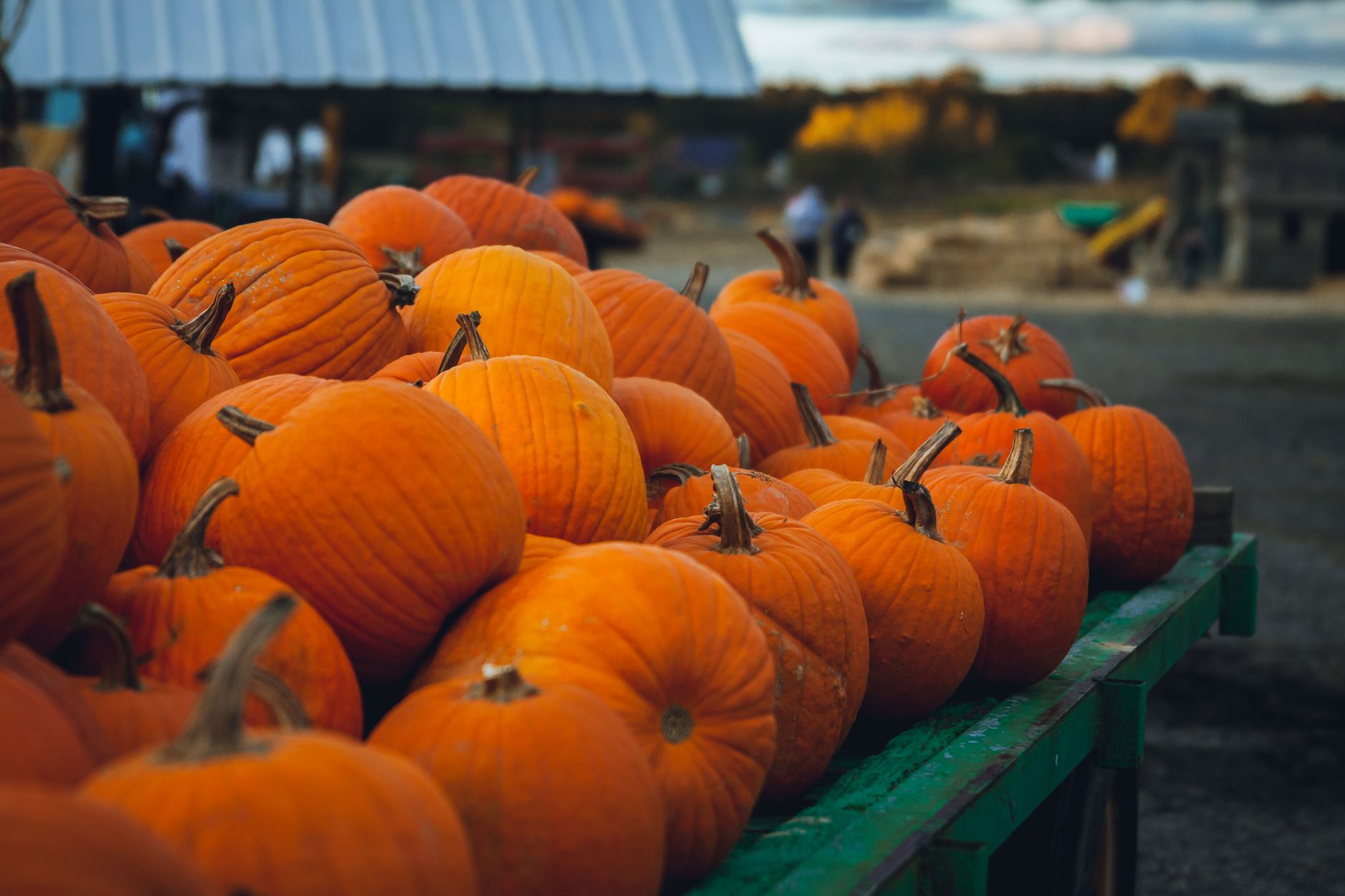
Pumpkins are more than just a seasonal decoration; they offer a variety of culinary uses, from soups and pies to lattes and hearty salads. One of the most common questions around pumpkins is, “How much are pumpkins?” The price of pumpkins can vary widely based on several factors, including the variety, size, and where you purchase them.
In this article, we will explore the different factors that influence pumpkin prices. Additionally, we will delve into ordering tips, how to select pumpkins at the market, and what uses they have in the kitchen. Whether you’re planning for Halloween or looking to use pumpkins in your cooking, understanding their pricing can help you make informed shopping decisions.
How Much Are Pumpkins?
On average, pumpkins can range from $1 to $25, depending primarily on size and type. Smaller pumpkins typically cost between $1 to $5, while larger varieties can go from $10 up to $25. Specialty varieties may even exceed this range when sourced from local farms or specialty shops.
Factors Influencing Pumpkin Prices
Several key factors determine the price of pumpkins:
1. Size
The size of the pumpkin is one of the most significant factors affecting its price. Smaller pumpkins, often used for baking or as decoration, are generally the most affordable. Larger pumpkins, which may be designated for carving or ornamental use, come with a heftier price tag.
- Small Pumpkins: $1 to $5
- Medium Pumpkins: $5 to $10
- Large Pumpkins: $10 to $25
2. Variety
Different varieties of pumpkins can also influence their pricing. Standard pumpkins used for decorations are less expensive, while specialty varieties, like heirloom or organic pumpkins, tend to be more costly due to their growing conditions and lower availability.
- Standard Variety: $1 to $10
- Heirloom Varieties: $5 to $30
- Organic Varieties: $10 to $25
3. Season and Location
Prices can fluctuate based on the season and local market conditions. During the peak fall season, especially around Halloween, prices may increase due to higher demand. Additionally, purchasing directly from farms can sometimes offer better prices than retail stores.
4. Freshness and Quality
The condition of the pumpkin also plays a role in pricing. Fresh, high-quality pumpkins that are free from blemishes and rot are generally more expensive than those that are overripe or damaged.
Ordering Tips for Pumpkins
When ordering pumpkins or planning your purchase, consider the following tips to get the most value for your investment:
- Buy in bulk: If you’re planning to use multiple pumpkins for baking, carving, or decorating, consider buying in bulk from a local farm. This could save you money.
- Choose in-season varieties: Freshness and availability can impact prices, so look for pumpkins during their peak season in October.
- Visit farmer’s markets: Local farmer’s markets often have competitive prices, and you may find unique varieties that you wouldn’t see in grocery stores.
- Check for deals: Many supermarkets offer discounts closer to Halloween as they try to clear out inventory. Shopping at that time can yield better prices.
How to Select the Perfect Pumpkin
Choosing the right pumpkin can enhance your cooking experience. Follow these selection tips to find the best pumpkin for your needs:
- Inspect the skin: Look for a pumpkin with a firm, smooth skin that is free of soft spots or blemishes.
- Check the stem: A healthy stem should be intact and firm. If the stem is broken or dried out, the pumpkin may not last long.
- Feel the weight: The pumpkin should feel heavy for its size, indicating that it is dense and filled with moisture.
- Sound check: Give it a tap; a good-quality pumpkin will produce a hollow sound.
Using Pumpkins in the Kitchen
Pumpkins are incredibly versatile and can be incorporated into various dishes. Here are some popular uses for pumpkin:
1. Soups and Stews
Pumpkin adds a rich, creamy texture to soups and stews. Pureeing roasted pumpkin with broth, spices, and herbs creates a fall-inspired warm dish.
2. Baking
Pumpkin is a popular ingredient in baked goods, particularly pies, breads, and muffins. Pumpkin puree can be used in many recipes as a primary ingredient, adding moisture and flavor.
3. Salads
Roasted pumpkin cubes can be a delightful addition to salads, providing sweetness and a boost of nutrients. They pair well with greens, nuts, and cheese.
4. Pumpkin Puree
If you want to use fresh pumpkin in your cooking, making pumpkin puree is an excellent option. It can be used in desserts, sauces, and even smoothies.
How to Make Pumpkin Puree
Making your own pumpkin puree is simple and allows you to use fresh pumpkins in your recipes. Here’s how to do it:
Ingredients
- 1 medium pumpkin
- Water (for steaming)
Essential Equipment
- Sharp knife
- Large spoon
- Steamer or oven
- Blender or food processor
Method
- Prepare the pumpkin: Cut the pumpkin in half and scoop out the seeds and stringy insides using a large spoon.
- Cook the pumpkin: You can either steam the pumpkin halves for about 30-40 minutes until tender or roast them in an oven at 350°F (175°C) for about 1 hour.
- Puree the flesh: Once cooked, allow to cool slightly before scooping the flesh away from the skin. Blend the flesh in a food processor until smooth.
- Store the puree: Pumpkin puree can be refrigerated for up to a week or frozen for later use. Divide into portions before freezing for convenience.
Practical Tips for Using and Storing Pumpkins
To make the most of your pumpkin experience, follow these practical tips:
- Store whole pumpkins: Keep them in a cool, dry place for up to three months. Avoid storing them in areas with high humidity.
- Store cut pumpkins: Once cut, wrap the pieces tightly in plastic and store them in the refrigerator. Use them within a week.
- Freeze pumpkin puree: As mentioned, frozen pumpkin puree lasts for up to a year. Label the containers with dates for easy rotation.
Common Mistakes When Using Pumpkins
Whether cooking or baking, there are a few common pitfalls to avoid:
- Using decorative pumpkins: Some pumpkins, such as ornamental ones, may not be intended for cooking, and using them can lead to undesirable flavors.
- Overcooking: Both steaming and roasting pumpkins can lead to mushiness if overcooked. Keep an eye on cooking times.
- Ignoring the seeds: The seeds are a nutritious snack. Toast them with seasoning for a delicious addition to salads or as snacks.
Conclusion
Pumpkins not only enhance your meals and celebrations but are also often more affordable and versatile than many realize. Understanding prices and selecting the right pumpkin can contribute to a successful pumpkin-centric dish or decoration. With this knowledge, you can confidently navigate your pumpkin purchases and enjoy all the culinary possibilities they offer.
For more information on using pumpkins in your cooking, check out our guides on freezing pumpkin pie and understanding pumpkin puree.