
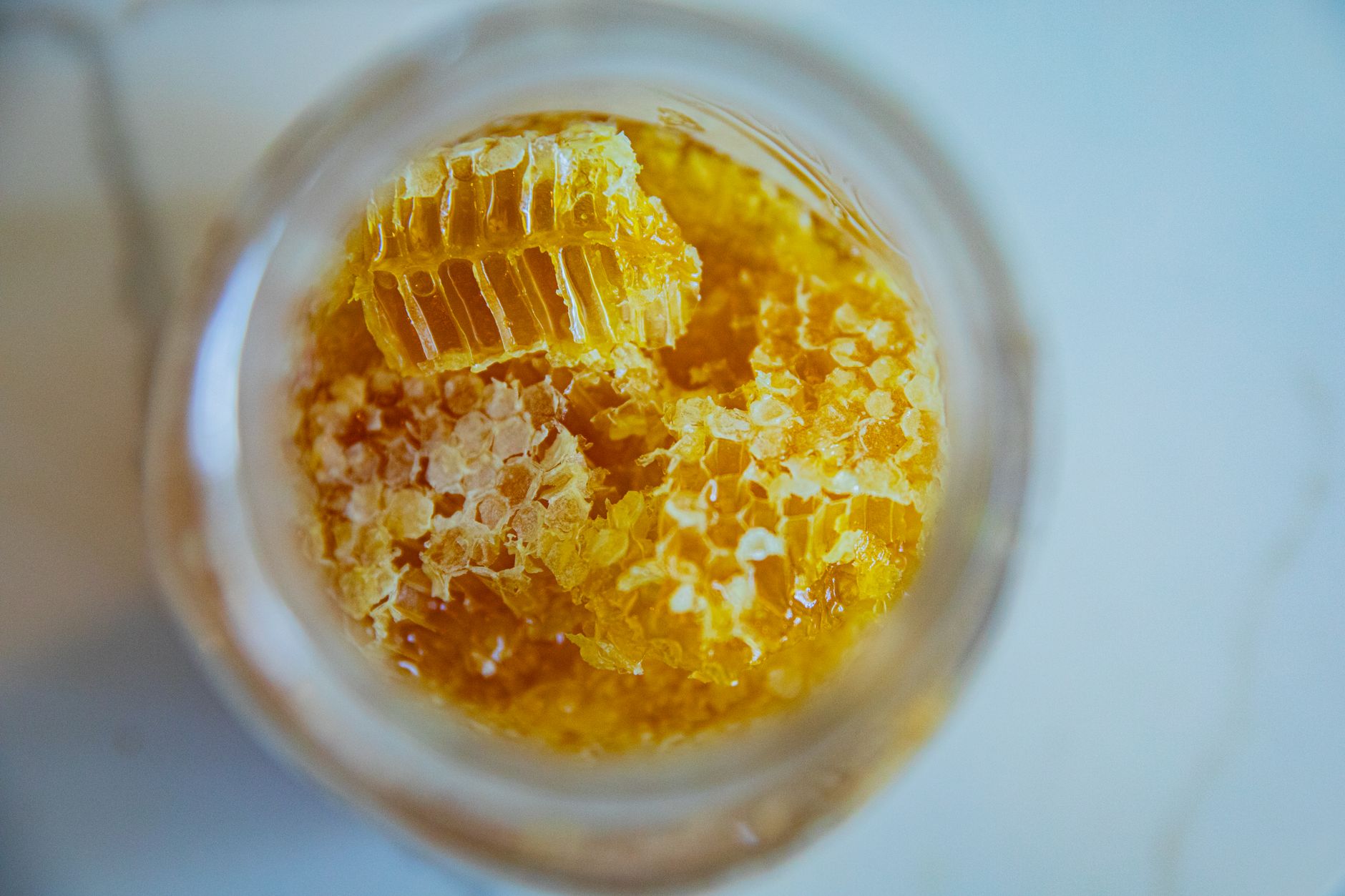
Honey is a natural sweetener beloved for its delicious flavor and versatility in various culinary applications. However, many individuals who enjoy honey may question how it fits into their dietary needs, particularly regarding calorie content. Understanding the calorie count of honey will help you make informed choices whether you’re drizzling it on toast, sweetening tea, or using it in recipes.
This article delves into the calorie content of honey, its nutritional profile, culinary uses, and tips on incorporating honey into your diet while managing your calorie intake.
How Many Calories Are in Honey?
One tablespoon of honey contains approximately 64 calories. This number can vary slightly based on the type of honey and its moisture content, but it typically ranges from 60 to 70 calories per tablespoon. Since honey is a concentrated sugar source, its calorie density is high relative to other sweeteners.
The Nutritional Profile of Honey
Honey is not just a sweetener; it also contains various nutrients, albeit in small amounts. Besides calories, it includes:
- Carbohydrates: 17.3 grams per tablespoon
- Natural sugars (mainly fructose and glucose)
- Trace amounts of vitamins like B vitamins and vitamin C
- Minerals such as calcium, iron, magnesium, and potassium
- Antioxidants, including flavonoids and phenolic acids
While honey does offer nutrients, it’s primarily consumed for its sugar content and flavor, rather than as a significant source of vitamins or minerals.
Culinary Uses of Honey
Honey’s unique flavor profile makes it an excellent addition to various dishes and beverages. Here are some common culinary uses:
- Sweetener for Beverages: Honey is often used to sweeten tea, coffee, and cocktails.
- Ingredient in Baking: Honey can replace sugar in baking for cakes, muffins, and cookies, lending moisture and a distinct taste.
- Glaze for Meats: Honey is often used in marinades and glazes for meats to create a caramelized surface.
- Topping for Breakfast Foods: Drizzle honey over pancakes, waffles, yogurt, or oatmeal for added sweetness.
- Salad Dressing: Honey adds a sweet balance to vinaigrettes when mixed with vinegar and oil.
How to Substitute Honey in Recipes
When substituting honey for other sweeteners, it’s essential to keep in mind its unique properties:
- For Granulated Sugar: Use ¾ cup of honey for every 1 cup of sugar. Reduce the liquid in your recipe by about ¼ cup.
- For Maple Syrup: Honey can generally be used in an equal ratio to maple syrup.
- For Agave Nectar: Use about ¾ cup of honey for every 1 cup of agave nectar due to its higher viscosity.
Managing Caloric Intake with Honey
While honey is a natural sweetener, incorporating it wisely into your diet is crucial for managing calorie consumption. Here are some tips:
- Portion Control: Measure out your honey rather than pouring directly from the jar to avoid overconsumption.
- Use Sparingly: A little honey can go a long way, so use it to enhance flavors rather than dominate dishes.
- Opt for Raw Honey: Raw honey retains more of its nutrients and enzymes, making it a healthier choice.
Common Misconceptions About Honey
As beneficial as honey can be, several myths may skew an understanding of its properties:
- All Honey is the Same: In reality, the flavor, color, and nutritional content vary based on the floral source and processing methods.
- Honey is Calorie-Free:\strong> Some believe honey has no calories like artificial sweeteners, which is false. It is important to treat it as any other caloric sweetener.
- More Honey is Always Better: Using excessive honey can lead to increased caloric intake, potentially countering health benefits.
Conclusion: Enjoying Honey in Moderation
Honey is a delightful and versatile ingredient that can enhance many dishes while providing a natural sweetness. Understanding its calorie content and being mindful of how much you use can allow you to enjoy this sweet treat while maintaining a balanced diet. Remember that moderation is key.
Explore more creative ways to incorporate honey into your meals with our honey syrup recipe and discover how to create a delicious honey glaze for meats and vegetables!