
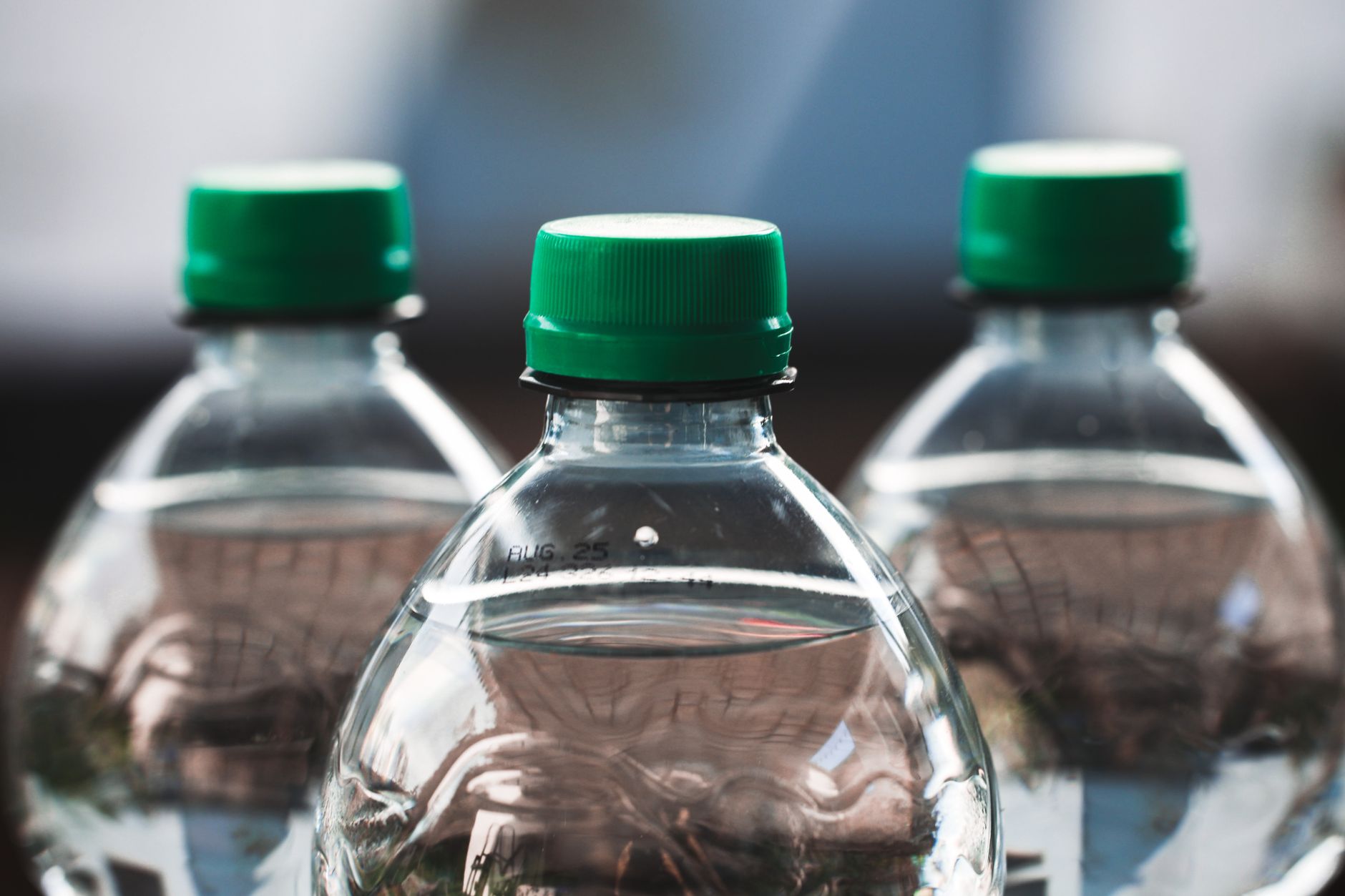
Staying hydrated is essential, whether you’re cooking, baking, or just going about your daily activities. Water plays a crucial role in various culinary processes, from cooking grains to maintaining hydration while preparing meals. If you’re wondering how to measure water for different recipes, you might ask, how many bottles of water is 100 oz?
This article will answer that question while also providing practical tips on measuring water, the importance of hydration, and conversions related to liquid measurements. Understanding these concepts will not only help you in cooking but also in meal planning and preparation.
How Many Bottles of Water Is 100 Oz?
To determine how many bottles of water is 100 oz, you need to know the standard bottle size. A typical bottled water container holds 16.9 ounces (500 mL), so to find out how many of these bottles equal 100 oz, simply divide 100 by 16.9. This calculation shows that 100 oz is approximately 5.9 bottles of standard bottled water.
The Importance of Hydration
Hydration is often an overlooked aspect of cooking and meal prep. Our bodies need water for digestion, nutrient absorption, and temperature regulation. This makes staying hydrated especially important when you’re active in the kitchen.
Here are a few key points about hydration:
- It aids in digestion and prevents constipation.
- Water is vital for regulating body temperature through sweat.
- Staying hydrated can help improve concentration and focus, essential while preparing meals.
- Proper hydration supports kidney function, helping to flush out toxins.
Measuring Water Accurately
Measuring water accurately is essential, especially in recipes that require specific volumes. Here are a few ways to ensure you measure water accurately:
Using Measuring Cups
Measuring cups are essential tools in any kitchen. Here are some tips for using them effectively:
- Use transparent measuring cups for liquids to easily see the volume.
- Ensure the cup is on a level surface when measuring.
- Check at eye level for an accurate reading.
Using a Digital Scale
A digital scale can provide precise measurements for water and other liquids:
- Tare your scale to zero with your empty container before adding the liquid.
- Remember that 1 ounce of water is approximately 29.57 grams.
- This method allows for greater accuracy than volume measurements.
Using Fluid Ounce Markings
If you have containers with fluid ounce markings, use them! These can be especially handy for quick measurements:
- Make sure to fill to the indicated line for an accurate measurement.
- Many cooking pots and pitchers come pre-marked for convenience.
Conversion Guide: Understanding Fluid Ounces
Understanding fluid ounce conversions can help you scale recipes or manage hydration better. Here’s a handy conversion list:
| Measurement | Fluid Ounces |
|---|---|
| 1 cup | 8 oz |
| 1 pint | 16 oz |
| 1 quarts | 32 oz |
| 1 gallon | 128 oz |
Using these conversions can help when figuring out how much water you need for various recipes or daily intake goals.
Practical Tips for Drinking Enough Water
While understanding water measurements is crucial in cooking, it’s equally important to develop good hydration habits. Here are some practical tips to help:
- Carry a reusable water bottle that has ounce markings to track intake throughout the day.
- Set reminders on your phone to take hydration breaks.
- Incorporate water-rich foods into your diet like cucumbers, oranges, and tomatoes.
- Add flavor to your water with fruits, herbs, or spices to make it more enjoyable.
How Water is Used in Cooking
Water is a versatile and essential ingredient in many culinary practices. Here are some common uses:
Cooking Grains and Pasta
When cooking grains like rice or pasta, the amount of water used is typically crucial to prevent undercooking or overcooking. For instance:
- Use a 2:1 ratio of water to rice.
- Pastas usually require water that covers the noodles completely.
Boiling and Poaching
Boiling and poaching meats or vegetables require accurate water measurements for optimal cooking:
- Ensure there’s enough water in the pot to keep the food submerged.
- Add salt to boiling water for enhanced flavor.
Making Broths and Soups
Water is the base for broths and soups. Here are some tips:
- Use quality water for making broth; it impacts the final flavor.
- Adjust the water based on how concentrated you want your soup to be.
Common Mistakes When Measuring Water
When measuring water in cooking, several common mistakes can occur:
- Assuming that all measuring tools are accurate; some may have worn markings.
- Not accounting for evaporation loss when boiling.
- Using volume instead of weight, which can lead to inconsistency.
Storing Water for Cooking and Hydration
Proper water storage is vital whether it is for cooking or drinking. Here are some guidelines:
Storing Bottled Water
Here are some tips for storing bottled water correctly:
- Keep bottled water in a cool, dark place away from chemicals.
- Avoid exposure to sunlight to prevent chemical leaching into the water.
Filtration and Tap Water
If using tap water, consider filtration for improved taste and quality:
- Use a quality water filter to remove impurities.
- Store filtered water in glass containers to avoid plastic taste.
Adjusting Water Volume in Recipes
Often, recipes require adjusting the amount of water based on the ingredients used:
- Be sure to consider how salt or sugars might affect evaporation rates.
- Adjust according to your desired texture, like thicker soups or more al dente pasta.
The Connection Between Hydration and Culinary Performance
Staying properly hydrated not only benefits your health but can also enhance your cooking skills:
- Improved focus can lead to better meal planning and execution.
- Staying hydrated can reduce fatigue and increase stamina in long cooking sessions.
Weekly Meal Prep and Hydration Goals
Incorporating a hydration strategy into your weekly meal prep can yield great results. Here’s how:
- Plan hydration breaks during meal prep to sip water regularly.
- Batch cook recipes that include water, so you’re mindful of hydration while cooking.
Summary of Water Measurements in Cooking
This overview on water, its measurements, and its impacts presents the foundation needed for successful cooking. With knowledge of conversions and hydration practices, you can navigate recipes with confidence.
Next time you question how many bottles of water is 100 oz, remember that it equates to approximately 6 standard bottles of water. Keep this in mind while preparing your meals and ensuring you stay hydrated!
Explore related guides for further information on cooking basics, recipe conversions, and hydration tips. Consider reading the article on the best bottled water to drink or check out the guide on how many cups of water for 1 cup of rice for more culinary insights.