
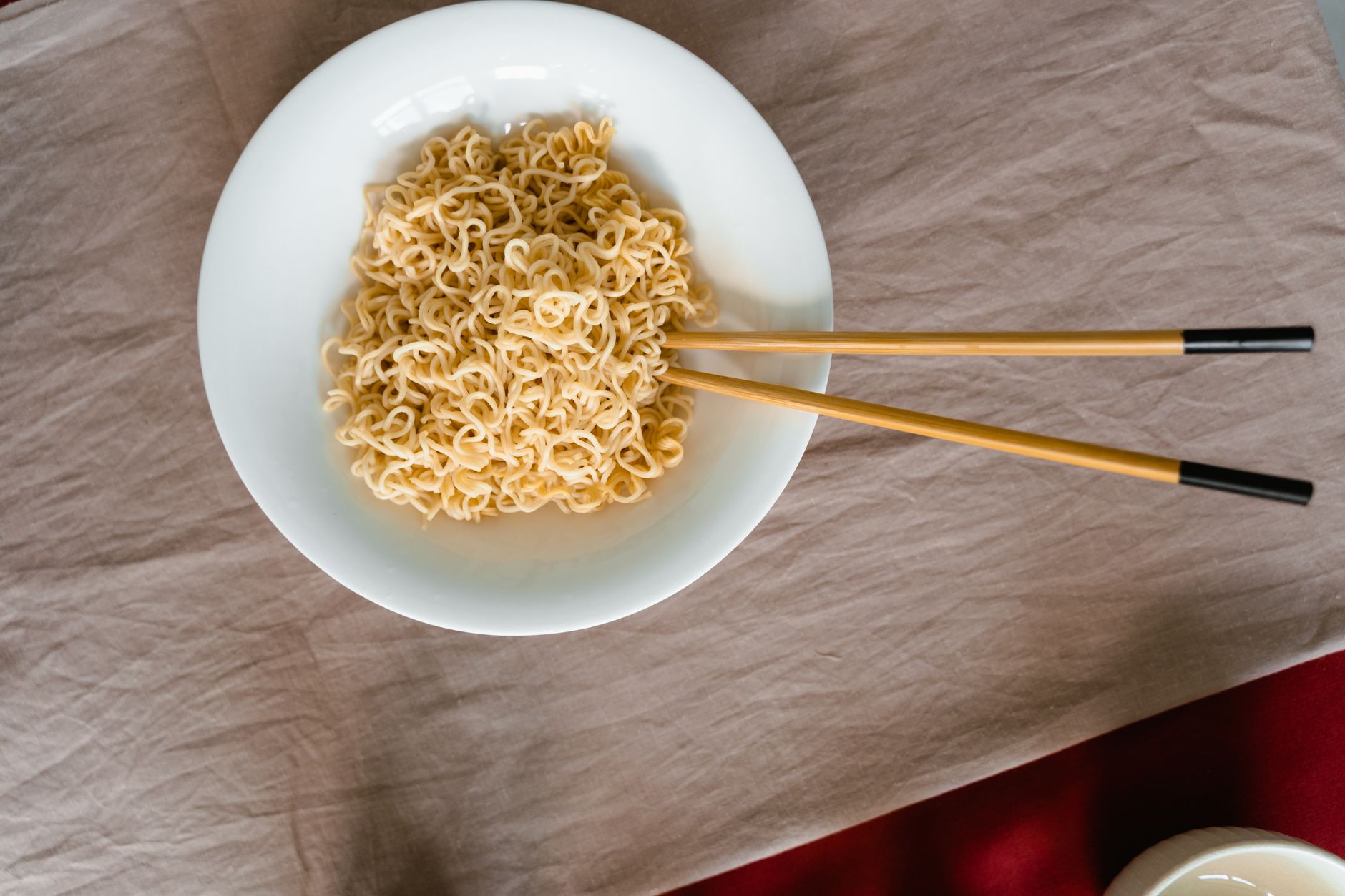
Ramen noodles have become a staple for many households due to their convenience and versatility. They serve as an excellent base for various dishes, allowing you to customize them according to your taste. However, many people wonder how their caloric content changes without added seasoning. In this article, we delve into the calorie count of a pack of ramen without seasoning and explore the implications for your meal planning.
Understanding the nutritional content of ramen can help you make informed choices when incorporating this ingredient into your lifestyle. Whether you’re preparing a quick meal or planning a more elaborate dish, knowing how many calories are in a pack of unseasoned ramen is key.
How Many Calories in a Pack of Ramen Without Seasoning?
A standard pack of ramen noodles, when prepared without seasoning, typically contains between 190 to 220 calories. The exact count may vary based on the brand and type of noodle. The caloric value primarily arises from the carbohydrates present in the noodles, which serve as a source of energy.
Unraveling the Components: What Contributes to the Caloric Count?
To understand the caloric content of ramen noodles, it’s essential to consider their composition. Traditional ramen noodles are made from several base ingredients that contribute to their nutritional value.
Main Ingredients in Ramen Noodles
- Wheat Flour: The primary ingredient in ramen, high in carbohydrates, providing the bulk of calories.
- Water: Essential for creating the dough and cooking the noodles.
- Salt: Enhances flavor but also contributes slightly to the calorie count.
- Alkaline Water: Used to give ramen its unique texture, helping retain moisture and aiding in cooking.
How to Prepare Ramen Noodles Without Seasoning
Cooking ramen without the seasoning packet allows you to control the flavor and potential sodium intake significantly. Here’s a straightforward method for preparing unseasoned ramen.
Ingredients
- 1 pack of ramen noodles
- 4 cups of water
Equipment
- A medium-sized pot
- A stove
- A colander (optional)
- A serving bowl
Preparation Steps
- Fill a medium-sized pot with 4 cups of water and bring it to a boil over high heat.
- Once boiling, add the ramen noodles to the pot.
- Cook the noodles for about 3 to 5 minutes, stirring occasionally.
- Check the noodles for doneness; they should be tender but still slightly firm (al dente).
- Once cooked, you can serve the noodles directly in a bowl or drain them in a colander, depending on your preference.
Caloric Comparison: Ramen With vs. Without Seasoning
When you cook ramen with the seasoning packet, the caloric content increases significantly. Here’s a breakdown:
Calories in Ramen With Seasoning
A standard seasoning packet adds another 40 to 60 calories, primarily from sodium, sugars, and fats present in the flavoring. Therefore, a pack of ramen with its seasoning can contain approximately 230 to 280 calories.
Understanding the Nutritional Benefits of Ramen
While ramen noodles are often viewed as a fast and easy meal, they do provide some nutritional benefits when consumed thoughtfully.
Carbohydrates
Ramen noodles are a quick source of carbohydrates, which are essential for providing energy. That makes them especially useful for athletes or individuals with high physical demands.
Protein
Though not a high-protein food, ramen noodles do provide some protein, which is necessary for muscle repair and growth. You can enhance their protein content by adding ingredients like eggs, tofu, or meat.
Vitamins and Minerals
Ramen noodles do not offer a wide range of vitamins and minerals. However, they can contribute some B vitamins when eaten as part of a balanced meal.
Enhancing Your Ramen: Healthy Add-Ins
To make your ramen a more balanced meal, consider adding various ingredients that complement the flavor and nutritional value while still keeping calorie counts in check.
Recommended Add-Ins
- Vegetables: Spinach, bok choy, carrots, and mushrooms add essential nutrients and fiber.
- Protein Sources: Grilled chicken, hard-boiled eggs, or tofu boost protein levels and improve satiety.
- Herbs and Spices: Fresh herbs like cilantro or basil, along with garlic, can enhance flavor without adding significant calories.
Alternatives to Traditional Ramen Noodles
If you’re looking to reduce calories or adjust your dietary needs, there are several alternatives available that may provide a healthier option.
Whole Grain Noodles
Whole grain ramen noodles have more fiber and nutrients, which can help you feel full longer and assist with digestion.
Shirataki Noodles
Made from konjac yam, shirataki noodles are low in calories and carbohydrates, making them an excellent option for those on a low-carb diet.
Vegetable Noodles
Zucchini or spiralized vegetable noodles offer a nutritious, low-calorie alternative that can be used in place of traditional ramen to create a different texture and flavor.
Common Mistakes When Cooking Ramen
Improper cooking methods can lead to subpar ramen experiences. Here are some common pitfalls to avoid:
Overcooking the Noodles
Overcooking leads to mushy noodles that lose their distinct texture. Always check for doneness a minute or two before the suggested cooking time.
Skipping Rinsing after Cooking
If you intend to use the noodles in a separate dish or salad, rinsing them under cold water can stop the cooking process, preventing stickiness.
Ignoring Quality of Ingredients
Investing in high-quality ingredients can transform your ramen experience. Fresh vegetables, quality proteins, and homemade broth can elevate the dish tremendously.
Storage Tips for Ramen
If you prepare more ramen than you can consume, proper storage can ensure its freshness for later use.
Refrigeration
Store leftover cooked ramen noodles in an airtight container in the refrigerator. They usually remain good for up to 3 days. To prevent the noodles from sticking together, toss them with a drizzle of oil before refrigerating.
Freezing
Uncooked ramen noodles can be stored in their original packaging in a cool, dry place. If you want to freeze cooked noodles, let them cool first, then place them in a freezer-safe bag or container. They can last for up to 2 months in the freezer.
Conclusion
Understanding the caloric content of ramen noodles without seasoning provides valuable insight into preparing well-balanced meals. With an estimated 190 to 220 calories per pack, you can adjust your meal plan accordingly. By incorporating healthy ingredients and being mindful of cooking techniques, you can create satisfying dishes that suit your dietary preferences.
If you’re looking to get creative with your ramen, check out our ramen seasoning recipe for flavor enhancements or try our creamy ramen recipe for a comforting twist.