
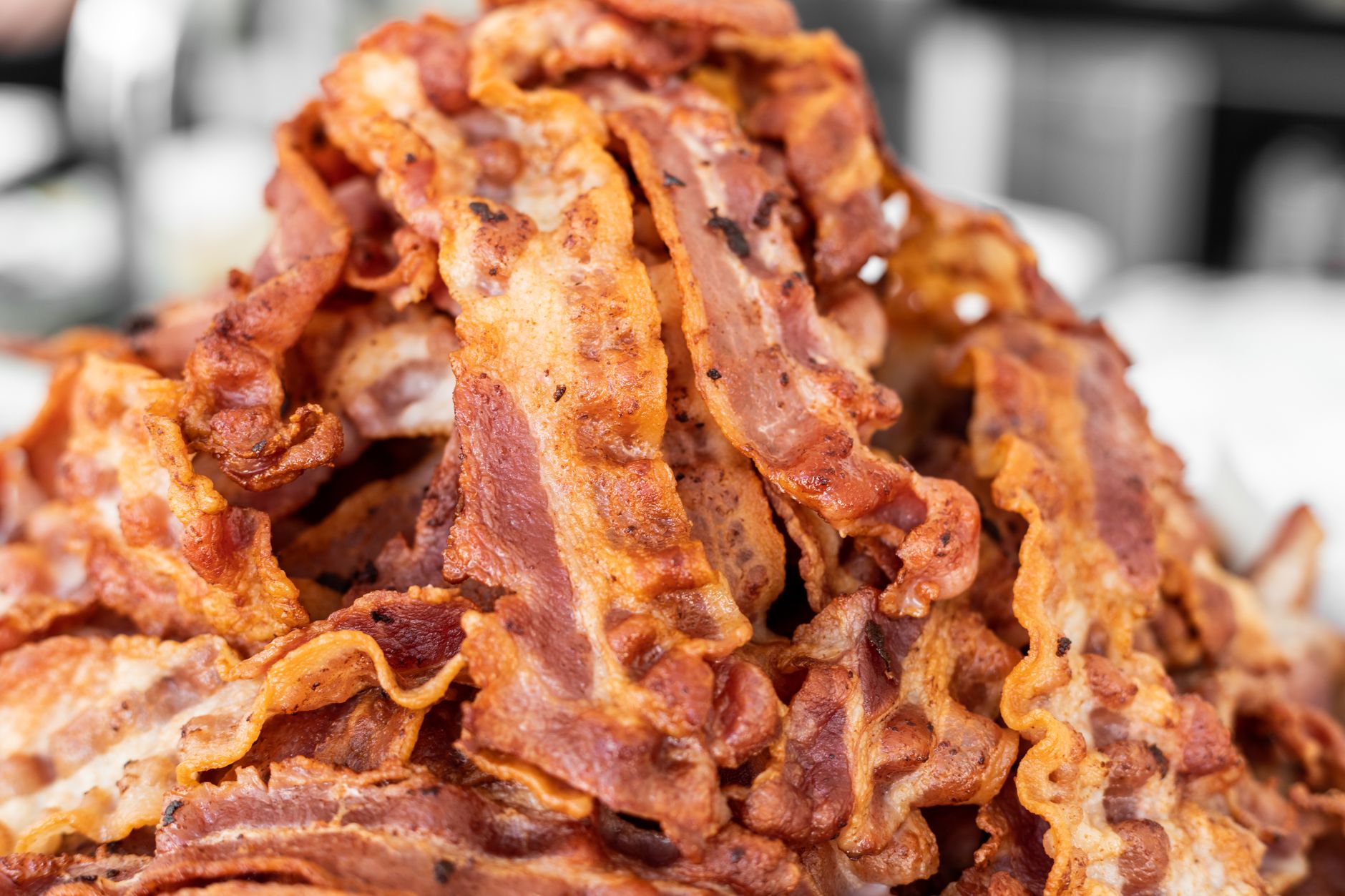
Understanding how long frozen bacon lasts is essential for food safety and optimal flavor. Bacon is a beloved ingredient, perfect for breakfast or as a tasty addition to various dishes. In this guide, we’ll explore the proper techniques for freezing and thawing bacon, approximate timelines for storage, and tips for ensuring the best quality.
By following these guidelines, you can enjoy your bacon without worrying about spoilage or a decline in taste. Let’s dive into the details you need to keep your bacon fresh and delicious.
How Long Does Frozen Bacon Last?
Frozen bacon can last up to six months in the freezer while maintaining its quality. However, it remains safe to eat beyond this timeframe if properly stored. Bacon can still be consumed for up to a year after freezing, although the flavor and texture may degrade.
Freezing Bacon: The Right Way
Properly freezing bacon is crucial to locking in its flavor and freshness. Here’s how to do it effectively:
- Choose Fresh Bacon: Start with fresh bacon that hasn’t been close to its expiration date. Check for any signs of spoilage, such as off smells or discoloration.
- Divide into Portions: If you don’t plan to use an entire package, it is best to divide the bacon into smaller portions. This way, you can thaw only what you need without refreezing leftovers.
- Wrap It Up: Wrap the bacon tightly in plastic wrap or aluminum foil. Ensure there are no air pockets, as exposure to air can cause freezer burn.
- Use Freezer Bags: For added protection, place the wrapped bacon in a resealable freezer bag. Squeeze out as much air as possible before sealing.
- Label and Date: Use a permanent marker to label the package with the contents and the date. This helps you keep track of how long it has been stored.
Thawing Frozen Bacon
Thawing bacon properly is equally important to ensure food safety. Here are the recommended methods:
Refrigerator Thawing
The safest method for thawing bacon is to place it in the refrigerator. This method can take several hours or overnight, depending on the thickness of the bacon.
- Simply move the frozen bacon from the freezer to the refrigerator. It should be used within one week after thawing.
Cold Water Thawing
If you’re short on time, you can use the cold water method:
- Place the sealed package of bacon in a bowl of cold water, ensuring it is fully submerged.
- Change the water every 30 minutes to keep it cold.
- The bacon should thaw in about one to two hours.
Microwave Thawing
Though not the recommended method, you can use your microwave to thaw bacon if you’re in a hurry:
- Use the defrost setting on your microwave, checking the bacon every 30 seconds to prevent cooking it.
- Cook the bacon immediately after thawing, as some parts may reach temperatures that allow bacteria growth.
Signs That Bacon Has Spoiled
While frozen bacon can last a long time, it’s essential to know the signs of spoilage:
- Off Smell: Fresh bacon has a pleasant, savory aroma. A rancid or sour odor is a clear indication of spoilage.
- Color Changes: Bacon should be a consistent pinkish-red color. Brown or gray spots can indicate spoilage, while a greenish hue may mean it should be discarded.
- Texture Changes: If the bacon feels slimy or sticky, it’s best to throw it away.
Cooking With Frozen Bacon
If you’ve accidentally frozen your bacon and don’t know how to use it, don’t fret. Cooking from frozen is possible, and it can work well in many dishes:
Direct Cooking from Frozen
You can cook frozen bacon directly without thawing it first:
- Pan Frying: Cook the frozen slices on low heat in a skillet. This method allows for even cooking as the bacon slowly thaws and crisps up.
- Oven Baking: Place frozen bacon strips on a baking sheet lined with parchment paper. Bake at 400°F (200°C) for 20 to 25 minutes, flipping halfway through until crisp.
Use in Recipes
Frozen bacon is versatile and can be utilized in many recipes:
- Soups and Stews: Dice the bacon and toss it in frozen while cooking. The bacon will thaw and impart flavor into the dish.
- Quiches and Casseroles: You can add frozen bacon directly into these dishes without thawing, as they will bake in the cooking process.
- Stir-fries: Slice frozen bacon into small strips and use it in stir-fry recipes for added flavor.
Common Mistakes to Avoid
When freezing and thawing bacon, here are some common mistakes to watch out for:
- Not Wrapping Properly: Air exposure leads to freezer burn, which detracts from the taste and texture.
- Thawing at Room Temperature: This can promote bacterial growth. Stick to refrigerator, cold water, or microwave methods.
- Refreezing Thawed Bacon: Once bacon is thawed, it is best to cook it rather than refreeze, to maintain safety and quality.
Storage Tips for Uncooked and Cooked Bacon
Understanding how to store uncooked and cooked bacon can help you maximize the lifespan of this delicious ingredient.
Uncooked Bacon Storage
Uncooked bacon can be stored in the refrigerator for up to one week. Here are some tips for storing it effectively:
- Keep It Sealed: Always keep unopened bacon in its original packaging until you’re ready to use it.
- Use Airtight Containers: If you’ve opened the package, transfer the bacon to an airtight container or resealable plastic bag.
Cooked Bacon Storage
Cooked bacon also requires proper storage for safety:
- Refrigerating: Store cooked bacon in a shallow container, tightly covered, in the refrigerator. It will stay fresh for about four to five days.
- Freezing: Cooked bacon can be frozen for about two to three months. Wrap slices or pieces individually in plastic wrap and place in a freezer bag.
Reheating Cooked Bacon
Knowing how to reheat cooked bacon will keep it crispy and flavorful. Here are some recommended methods:
Oven Reheating
To reheat cooked bacon in the oven, do the following:
- Preheat your oven to 350°F (175°C).
- Place the bacon on a baking sheet lined with parchment paper.
- Reheat for about 10-15 minutes or until heated through and crispy.
Microwave Reheating
If you need a quicker method, you can use the microwave:
- Place the bacon on a microwave-safe plate and cover with a paper towel.
- Heat in 30-second intervals until warm, but be careful not to overcook, as it can become chewy.
Cooking with Bacon: Flavor and Usage
Bacon not only adds a savory flavor but also a crunchy texture to meals. It can enhance numerous dishes:
- Breakfast Meals: Bacon pairs perfectly with eggs, pancakes, or in breakfast burritos.
- Salads: Crumbled bacon can elevate salads, adding a crunchy and salty contrast.
- Baked Goods: Use bacon in cornbread or savory muffins for an exciting twist.
Conclusion
Freezing bacon is an excellent way to extend its shelf life without compromising on quality. By knowing how to properly freeze, thaw, and store bacon, you can always enjoy this delicious ingredient at your convenience.
For further culinary assistance, explore more on how to freeze cooked chicken or how long cooked chicken lasts to keep your meals organized and fresh.