
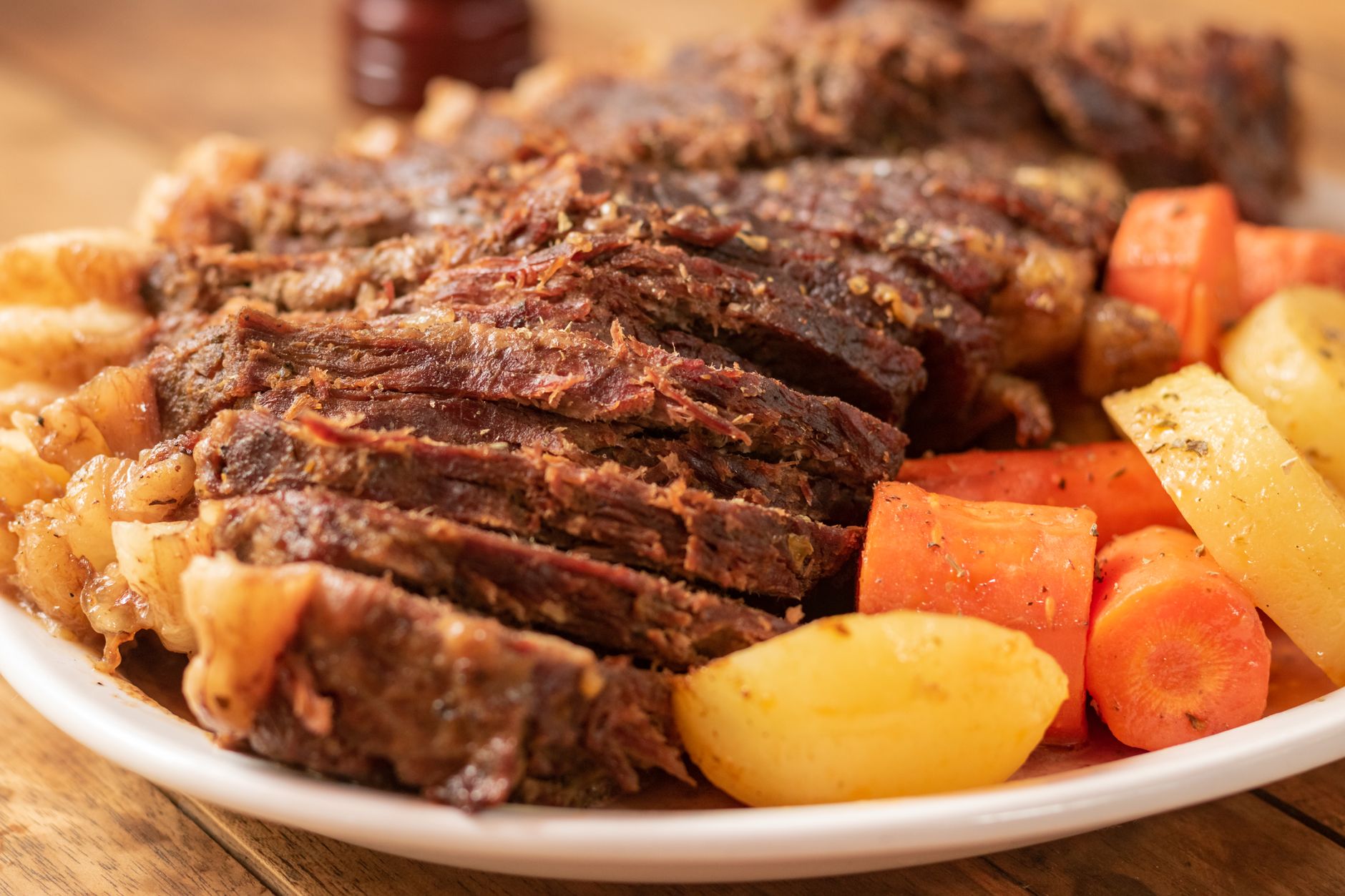
Cooking pot roast can be one of the most rewarding experiences in the kitchen, yielding a melt-in-your-mouth dish filled with rich flavors and tender meat. Knowing how long to cook pot roast is crucial to achieving that desired tenderness, ensuring the meat becomes juicy and flavorful without being overcooked.
In this guide, we’ll cover everything you need to know about cooking pot roast, including timing, temperatures, and how to determine when your roast is perfectly done. By the end, you’ll feel confident in your ability to create a delicious and satisfying meal.
How Long to Cook Pot Roast?
The cooking time for pot roast depends on several factors, such as the size of the meat, cooking method, and temperature. Generally, you should plan on cooking pot roast for about 3 to 5 hours at an oven temperature of 300°F (150°C) for a 3 to 5-pound roast. However, checking for doneness is essential for the best results.
Understanding the Cuts of Meat
Pot roast is typically made using tougher cuts of meat that benefit from slow cooking methods, which help break down connective tissues and lead to tender results. Here are some common cuts used for pot roast:
- Chuck roast: This is the most popular choice for pot roast due to its rich marbling and flavor.
- Brisket: This cut is slightly leaner and works well but may require slightly different cooking times.
- Round roast: A more affordable option, but be cautious, as it can dry out if overcooked.
Preparing Your Pot Roast
To cook pot roast properly, you need to start with the right preparation. Here are the steps you should follow:
- Season the meat: Generously season your pot roast with salt, pepper, and any additional herbs or spices you desire.
- Sear the meat: In a hot skillet, sear the pot roast on all sides for a few minutes until browned. This step enhances flavor.
- Choose your cooking method: Decide whether you want to cook your pot roast in the oven, slow cooker, or stovetop.
Cooking Times by Method
Knowing the cooking times for different methods will help you choose the one that best fits your schedule. Below are approximate cooking times based on the method:
Oven Cooking
For oven cooking, preheat your oven to 300°F (150°C). Cook the roast as follows:
- 3 to 4 pounds: 3 to 4 hours
- 4 to 5 pounds: 4 to 5 hours
Check for doneness after the minimum cooking time, using a meat thermometer to ensure it reaches at least 195°F (90°C) for tender meat.
Slow Cooker Cooking
Using a slow cooker is convenient for busy days. Here are the times for slow-cooking:
- Low setting: 8 to 10 hours
- High setting: 4 to 6 hours
This method allows the beef to become exceptionally tender over an extended period.
Stovetop Cooking
If you prefer to use the stovetop, you can follow this method:
- Simmer on low heat: 2.5 to 4 hours
Keep the pot covered and check occasionally, ensuring the liquid doesn’t boil away.
Checking for Doneness
While timings are essential, the best way to determine if your pot roast is done is by checking its internal temperature or texture. A meat thermometer is a valuable tool for this. The ideal internal temperature for pot roast is:
- 195°F (90°C) to 205°F (96°C): This range ensures the meat is tender and easy to shred.
- Below 195°F (90°C): The meat will still be tough.
In addition to temperature, use the fork test: If your fork easily shreds the meat, your pot roast is ready. If it resists, it may need more time.
Common Mistakes to Avoid
Cooking pot roast can seem simple, but several pitfalls can lead to less-than-ideal results. Here are a few common mistakes to watch out for:
- Not searing the meat: Skipping the searing step results in a less flavorful roast.
- Using insufficient liquid: A dry roast will be tough; ensure enough liquid is used for a moist environment.
- Opening the pot too often: Each time you check, you release heat, which can extend cooking times unnecessarily.
Flavorful Additions and Variations
Additions can enhance the flavor of your pot roast. Here are some popular ingredients to consider:
- Vegetables: Carrots, potatoes, onions, and celery can be added for extra flavor and nutrition.
- Herbs: Rosemary, thyme, and bay leaves add aromatic depth to your pot roast.
- Broth or wine: Beef broth or red wine can add richness to the cooking liquid, enhancing the overall flavor.
Serving Suggestions
Once your pot roast is cooked and rested, it’s time to serve. Here are some ideas for side dishes and accompaniments:
- Mashed potatoes: A comforting classic that pairs beautifully with the savory juices.
- Green vegetables: Steamed or sautéed green beans, broccoli, or Brussels sprouts add freshness.
- Crusty bread: Perfect for soaking up the delicious gravy.
Make-Ahead Tips
If you’re planning ahead for a busy weeknight or family gathering, pot roast can be a great dish to prepare in advance:
- Cook and refrigerate: Pot roast can be made a day ahead and kept in the fridge. Just reheat it gently in the oven or stovetop.
- Freeze for later: Pot roast can be frozen for up to 3 months. Ensure it is stored in an airtight container.
Storing and Reheating Pot Roast
Storing your leftover pot roast properly is essential for maintaining its quality. Here’s what to do:
- Refrigeration: Store in an airtight container in the fridge for up to 3 to 4 days.
- Freezing: Portion into containers and freeze for up to 3 months.
Reheat gently on the stove or in an oven preheated to 325°F (160°C) to avoid drying out the meat.
Conclusion
Cooking pot roast involves understanding timing and temperature, ensuring the meat is tender and flavorful. With a range of cooking methods and the right approach to preparation and serving, you can create a comforting and satisfying meal.
For more recipes and cooking tips, feel free to explore Dutch oven pot roast recipe or boost your dish with this pot roast seasoning recipe.