
Bagels are a beloved breakfast staple, appreciated for their chewy texture and versatility. However, for those following a dairy-free diet or with lactose intolerance, a common question arises: do bagels have dairy? Understanding the ingredients and potential sources of dairy in bagels can help you make informed choices.
This article will explore the traditional ingredients used in bagels, examine various labels, discuss cross-contact concerns, and suggest dairy-free alternatives, ensuring that everyone can enjoy this delightful bread.
Do Bagels Have Dairy?
Generally speaking, traditional bagels do not contain dairy. Their basic ingredients usually include flour, water, yeast, salt, and sugar. However, some variations may include dairy products, particularly those that use milk or butter for added flavor and moisture. It’s essential to check ingredient labels and be aware of cross-contact in bakeries to ensure you’re making a suitable choice.
Understanding Bagel Ingredients
Bagels come in various types, with some being entirely dairy-free while others include milk or butter. Here is a closer look at the common ingredients found in both traditional and flavored bagels:
Traditional Bagel Ingredients
- Flour: Usually, all-purpose or bread flour is used.
- Water: Tap water or filtered water is the primary liquid for dough hydration.
- Yeast: Active dry yeast or instant yeast is typically used to leaven the dough.
- Salt: Enhances flavor and regulates yeast activity.
- Sugar: Aids in browning and feeding the yeast, often sprinkled or mixed in.
Common Dairy Ingredients in Variations
- Milk: Some recipes call for milk, adding richness and a softer texture.
- Butter: Used in some flavored varieties to enhance flavor and create a tender crumb.
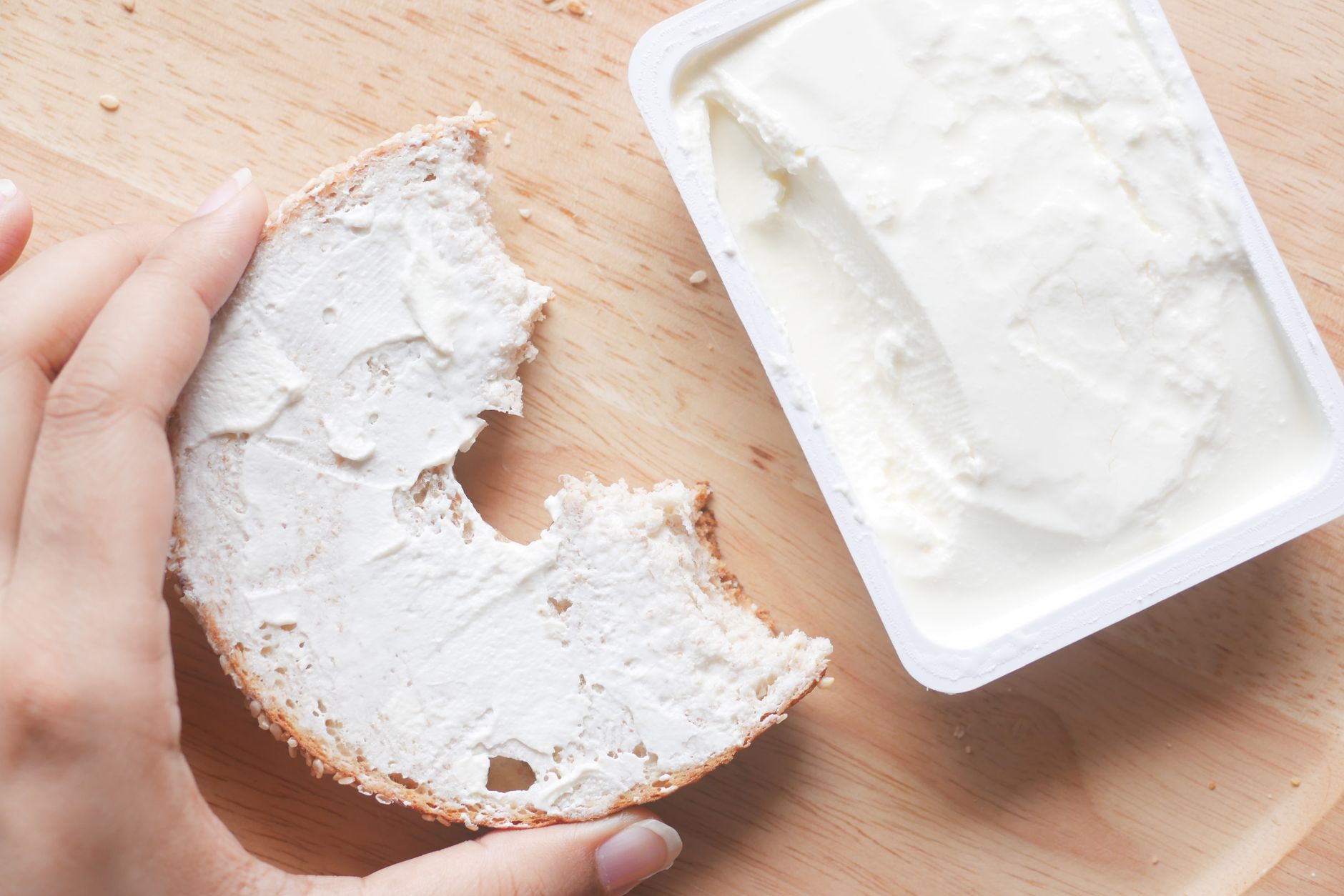
- Cream Cheese: Often served with bagels as a popular topping but is not an ingredient in the bagel itself.
Labeling and Cross-Contact Issues
For individuals with dairy allergies or those maintaining a dairy-free lifestyle, scrutinizing labels becomes vital. Here’s how to navigate ingredient lists and potential cross-contact:
Reading Labels
When purchasing bagels, especially pre-packaged ones, always review the ingredient list and any allergen statements. Look for keywords such as:
- Milk
- Butter
- Whey
- Casein
Many brands will specifically highlight dairy ingredients, and if unsure, consider reaching out to the manufacturer for clarification.
Cross-Contact Considerations
Cross-contact can occur in various settings, particularly in bakeries or cafes where bagels are prepared alongside dairy products. If you have a severe dairy allergy or intolerance, weigh the following:
- Ask about the preparation methods to ensure no dairy is used in the kitchen.
- Inquire whether the bagel is made in a facility that processes dairy.
- Consider brands that specifically market their products as dairy-free and provide clear allergen information.
Dairy-Free Bagel Options
If you’re looking to enjoy bagels without dairy, several options are available. Here are some alternatives and substitutions:
Homemade Dairy-Free Bagels
Making bagels at home gives you complete control over the ingredients. A typical dairy-free bagel recipe may include:
- 2 cups all-purpose flour
- 1 cup warm water
- 1 packet active dry yeast
- 1 tablespoon sugar
- 1 teaspoon salt
This simplified recipe results in delicious dairy-free bagels. For additional flavor, you can experiment with spices and herbs or create different toppings.
Store-Bought Dairy-Free Options
Many brands are responding to the demand for dairy-free products, and supermarkets often carry bagels specifically labeled as dairy-free. Popular brands may include:
- Thomas’ Bagels
- New York Bagel Company
- Dave’s Killer Bread (Bagels)
Check the packaging to ensure they are marked dairy-free and review the ingredients for any hidden dairy sources.
Flavored Dairy-Free Bagels
Some bagels come with flavorings, such as onion, garlic, or even blueberry, that do not inherently contain dairy. However, check packaging or ask the bakery about ingredients to avoid any surprises. Beyond the traditional bagel, explore:
- Everything Bagel: Seasoned with sesame seeds, poppy seeds, garlic, and onion.
- Onion Bagel: Enhanced with onion pieces for added flavor.
- Garlic Bagel: A savory option featuring dried garlic.
Practical Uses and Pairing Ideas
Bagels are versatile and can be enjoyed in several ways, from classic breakfasts to creative snacks. Consider these pairings:
Classic Pairings
- Vegetable Spread: Use hummus or avocado spread for a creamy, dairy-free option.
- Dairy-Free Cream Cheese: Look for brands like Kite Hill or Tofutti that offer dairy-free cream cheese alternatives.
- Nut Butter: Almond or peanut butter can make for a delicious topping.
Exploring New Flavors
Don’t limit yourself to traditional toppings. Try stuffing or topping your bagels with:
- Smoked Salmon: A classic option known as a “lox bagel.”
- Roasted Red Peppers: Adds a sweet and tangy flavor.
- Fresh Herbs: Basil or chives can brighten the flavor.
Common Mistakes to Avoid
When exploring bagels, particularly when avoiding dairy, here are some pitfalls to sidestep:
Not Checking Ingredient Labels
Assuming that all bagels are dairy-free can lead to unexpected reactions. Always read labels or inquire about ingredients when in doubt.
Skipping Cross-Contact Questions
In bakery environments, cross-contact can occur easily. Don’t hesitate to ask staff about their preparation processes.
Not Experimenting with Ingredients
Homemade bagels allow for customization. Don’t hesitate to try different flours, herbs, or spices to create your ideal version.
Storing and Reheating Bagels
Proper storage of bagels prolongs freshness and ensures a better taste when reheating. Consider these guidelines:
Storage Tips
- Room Temperature: If consumed within a day or two, store bagels in a paper bag or a bread box to maintain texture.
- Freezing: For longer storage, freeze bagels in an airtight bag. They can last for up to three months.
Reheating Guidelines
- Toaster: A quick option for reheating and adding a crisp texture.
- Oven: Place bagels on a baking sheet at 350°F (175°C) for around 5-10 minutes.
Summing It Up
Understanding whether bagels contain dairy is an important consideration for many. While traditional bagels are typically dairy-free, variations can include dairy ingredients. Always read labels, inquire about preparation methods, and don’t hesitate to try alternatives—both pre-made and homemade—to enjoy bagels in a way that suits your dietary needs.
Explore the versatility of bagels with options like a cottage cheese bagel or indulge in a delicious lox bagel. Whether enjoyed plain, toasted, or topped with vibrant ingredients, bagels can suit a variety of preferences.