
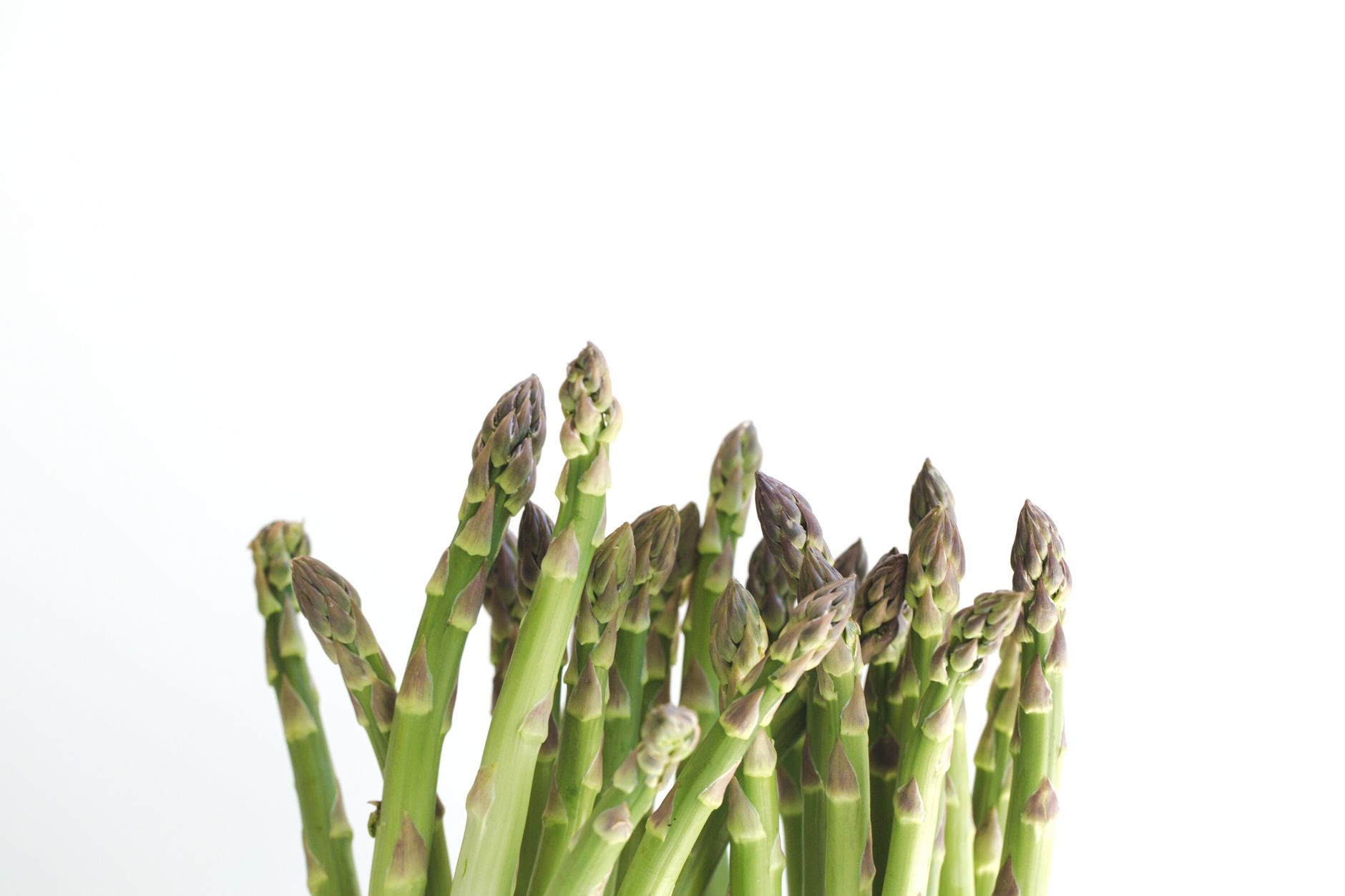
Asparagus is a versatile vegetable that can elevate a variety of dishes with its unique flavor and appealing texture. Boiling asparagus is a straightforward cooking method that’s quick and retains the vegetable’s vibrant color and nutrients. Understanding how long to boil asparagus can help you achieve the perfect tenderness without losing its signature crunch.
This guide will walk you through the best practices for boiling asparagus, including cooking times, methods, and tips for enhancing its natural taste. Whether you are planning a healthy side dish or adding asparagus to a main course, mastering this technique will ensure delicious results.
How Long To Boil Asparagus?
The ideal boiling time for asparagus depends on the thickness of the stalks. Generally, thin asparagus will take about 2 to 3 minutes, medium-sized stalks about 4 to 5 minutes, and thick stalks require 6 to 8 minutes. Always aim for a bright green color and tender-crisp texture as indicators of doneness.
Choosing the Right Asparagus
Before you start boiling, selecting fresh asparagus is key to achieving the best results. Here are some tips to help you choose the right asparagus:
- Look for firm, straight stalks with bright green color.
- Avoid asparagus that appears limp or has dry, woody ends.
- Check the tips; they should be compact and tightly closed.
- Thin stalks are generally more tender, while thicker stalks are more robust and can hold up to longer cooking times.
Essential Equipment for Boiling Asparagus
Having the right equipment can make the cooking process smoother. Here’s what you’ll need:
- A large pot for boiling
- A slotted spoon or tongs for transferring the asparagus
- A bowl for an ice bath (cold water and ice) to stop the cooking process
- A cutting board and sharp knife for trimming
How to Boil Asparagus
Follow these steps to successfully boil asparagus:
- Prepare the asparagus by rinsing it under cold water and trimming the woody ends. You can do this by bending the stalk until it snaps or cutting off about an inch from the bottom.
- Fill a large pot with water and add a pinch of salt. Bring the water to a rapid boil.
- Once the water is boiling, add the asparagus carefully. Make sure not to overcrowd the pot, as it may cause the temperature to drop.
- Boil the asparagus for the recommended time based on its thickness: 2-3 minutes for thin, 4-5 minutes for medium, and 6-8 minutes for thick stalks.
- When the asparagus is bright green and tender-crisp, use a slotted spoon or tongs to transfer it to the ice bath. This stops the cooking process and helps preserve the color.
- Allow the asparagus to sit in the ice bath for about 3 minutes, then drain and pat dry.
- Your boiled asparagus is now ready to be served or used in your favorite recipes!
Common Mistakes to Avoid
While boiling asparagus is a simple technique, there are common pitfalls to be aware of:
- Overcooking: Asparagus can become mushy and lose its vibrant color if boiled for too long. Keep a close eye on the timer and check for doneness regularly.
- Underseasoning: While boiling, adding salt to the water flavors the asparagus. Don’t skip this step!
- Skipping the ice bath: Not using an ice bath can result in overcooked asparagus even after you’ve removed it from the boiling water.
Flavoring Boiled Asparagus
Boiled asparagus can be enjoyed simply with a drizzle of olive oil and a sprinkle of salt. However, there are numerous ways to enhance its flavor:
- Drizzle with balsamic glaze after boiling for a tangy twist.
- Top with lemon zest or fresh herbs such as parsley, dill, or chives for a burst of freshness.
- Sprinkle with freshly grated Parmesan cheese and serve warm.
- For a creamier option, toss the boiled asparagus with melted butter or a light vinaigrette dressing before serving.
Serving Suggestions
Boiled asparagus makes a fantastic addition to various dishes, such as:
- Salads: Toss with greens, nuts, and your favorite dressing.
- Pasta: Combine with pasta, garlic, and olive oil for a quick meal.
- Omelettes or Frittatas: Incorporate boiled asparagus into egg dishes for added nutrition and flavor.
- Grains: Mix with quinoa or rice to create a wholesome side dish or main course.
Storing and Reheating Boiled Asparagus
If you have boiled more asparagus than you can consume, proper storage is essential. Here’s how to do it:
- Let the asparagus cool completely before storage.
- Wrap it in a damp paper towel and place it in an airtight container or a resealable plastic bag.
- Refrigerate the asparagus. It will typically last for 3-5 days in the fridge.
- To reheat, steam or sauté briefly until warm, avoiding a second boil to prevent mushiness.
Variations of Boiled Asparagus
Boiled asparagus can be prepared in various ways to suit different diets and palates. Here are some exciting variations:
- Garlic-Infused: Add minced garlic to boiling water for an added flavor punch.
- Spicy Option: Toss boiled asparagus with chili flakes, lime juice, and olive oil for a zesty dish.
- Asian Style: After boiling, drizzle with soy sauce and sesame oil, sprinkling sesame seeds on top.
Common Questions About Boiling Asparagus
Can you boil asparagus without salt?
While you can boil asparagus without salt, adding a pinch to the water enhances the vegetable’s flavor significantly. Salt helps it taste more vibrant and less bland.
Is it better to steam or boil asparagus?
Steaming asparagus is often preferred, as it can retain more nutrients compared to boiling. However, boiling is quicker and still yields delicious results. Choose based on your texture preference and time constraints.
Final Tips for Perfectly Boiled Asparagus
Achieving perfectly boiled asparagus is straightforward when you follow these tips:
- Start with fresh asparagus for the best flavor and texture.
- Monitor the cooking time based on the thickness of the stalks.
- Use an ice bath immediately after boiling to lock in color and texture.
- Experiment with flavors and serving styles to find your perfect combination.
Whether enjoyed on its own, tossed in salads, or as part of a hearty main dish, boiled asparagus can be a delightful addition to your meal rotation. Take the time to master this technique and enjoy the delicious results!
If you are interested in exploring more delicious vegetable recipes, visit our guides on white asparagus recipe and boiled peanuts recipe. Happy cooking!