
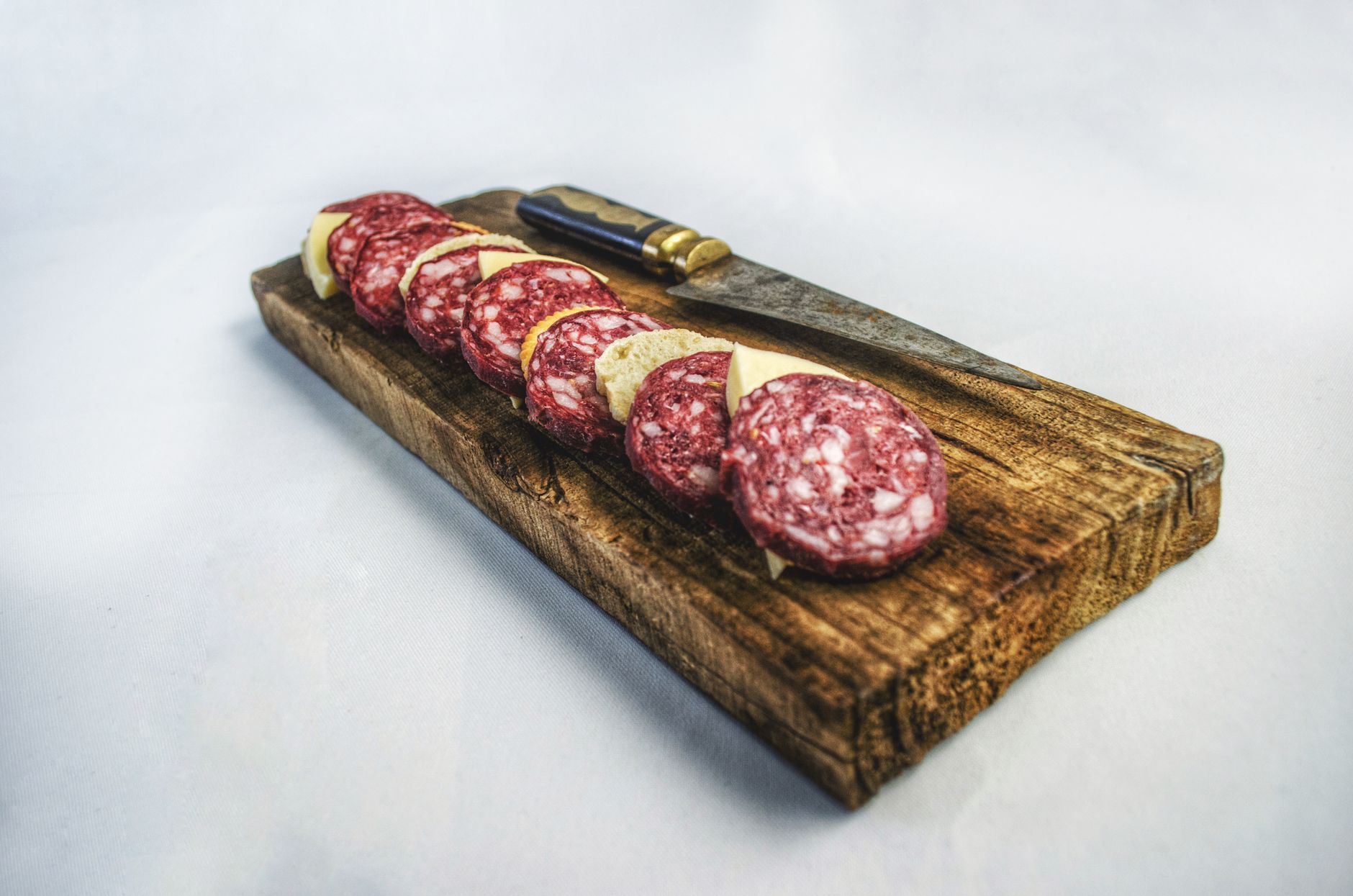
Salami is a beloved cured meat that adds a savory flair to sandwiches, charcuterie boards, and appetizers. While many people enjoy this flavorful ingredient, there’s often uncertainty about its shelf life and whether it can go bad. Understanding the factors that affect salami’s freshness and how to properly store it is essential for both safety and enjoyment.
This article will explore the shelf life of salami, how to properly store it, and the signs that indicate spoilage. By the end, you’ll be well equipped to handle salami in your kitchen with confidence.
Can Salami Go Bad?
Yes, salami can go bad if it is not stored properly or kept for too long. Cured meats like salami have a longer shelf life than many other meats, but they are not impervious to spoilage. Factors such as exposure to air, moisture levels, and temperature can all impact how long salami remains safe and flavorful.
Shelf Life of Salami
The shelf life of salami depends on several factors, including the type of salami, whether it is opened or unopened, and the storage method used. Here’s a breakdown:
Unopened Salami
- Dry Salami: Unopened dry salami can last for up to 6 months past its expiration date when stored in a cool, dry environment, and can remain edible for even longer.
- Soft Salami: Unopened soft salami has a shorter shelf life of about 3 weeks, but it may last a little longer if properly refrigerated.
Opened Salami
- Dry Salami: Once opened, dry salami can last for about 3 weeks in the refrigerator. It should be tightly wrapped in wax paper, foil, or plastic wrap to minimize exposure to air.
- Soft Salami: When opened, soft salami should be consumed within 1 week for the best quality. Ensure it is properly stored to maintain freshness.
Freezing Salami
If you want to extend the shelf life of salami, freezing is an excellent option. Properly stored, both dry and soft salami can be frozen for up to 2 to 3 months without significant loss of quality. For best results:
- Wrap the salami tightly in plastic wrap, followed by aluminum foil or place it in an airtight freezer bag.
- Label the package with the freezing date to keep track of how long it has been stored.
How to Store Salami
Proper storage is essential to prolonging the life of salami and preventing spoilage. Here are effective storage methods:
In the Refrigerator
When storing salami in the refrigerator, follow these guidelines:
- Keep it in its original packaging if unopened.
- If opened, wrap it tightly in wax paper, parchment paper, or plastic wrap. Follow this by placing it in a resealable plastic bag or an airtight container to prevent it from drying out.
- Ensure the refrigerator temperature is set to 40°F (4°C) or below.
In the Freezer
When freezing salami, consider the following steps:
- Cut the salami into portions to make defrosting easier.
- Wrap each portion tightly in plastic wrap, followed by aluminum foil.
- Store it in an airtight freezer bag, squeezing out as much air as possible before sealing.
- Label the bags with the date to monitor its storage time.
Signs of Spoilage
Knowing how to identify spoiled salami is crucial for food safety. Here are the key signs to look out for:
Visual Inspection
- Mold: While some white mold on the surface of salami is normal, any other color (green, black, or fuzzy white) indicates spoilage.
- Discoloration: If salami has dark spots or significant discoloration, it may have gone bad.
Smell Test
Salami should have a savory, salty aroma. If it emits a sour, rancid, or off-putting smell, it’s best to err on the side of caution and discard it.
Texture Check
- Stickiness: A slimy texture on the surface can indicate that bacteria are present; such salami should not be consumed.
- Drooping or Dryness: If the salami feels excessively dry or has drooped significantly, it may not be safe to eat.
Common Mistakes to Avoid
When dealing with salami, certain storage mistakes can lead to spoilage. Here are some common pitfalls:
Improper Wrapping
Failing to wrap salami tightly can lead to it drying out and absorbing odors from other foods in the refrigerator. Always ensure it is sealed correctly to maintain freshness.
Storing in the Wrong Place
Storing salami in the door of the refrigerator can expose it to fluctuating temperatures. Instead, keep salami on a shelf where the temperature is more stable.
Culinary Uses of Salami
Salami is a versatile ingredient that can be enjoyed in numerous ways. Here are some popular uses:
In Sandwiches and Wraps
Salami pairs well with cheeses, vegetables, and sauces, making it an excellent filling for sandwiches and wraps. Consider combining varieties of salami with different cheeses for a delightful taste experience.
On Charcuterie Boards
Salami is a staple of charcuterie boards. Pair it with an assortment of cheeses, olives, pickles, nuts, and crackers for a visually appealing and flavorful spread. Choose different types of salami to add variety
In Dishes and Recipes
Salami can enhance a wide range of culinary applications. Consider using it in:
- Pastas: Add cooked salami to pasta dishes for an additional layer of flavor.
- Salads: Toss bits of salami into salads for added protein and texture.
- Pizzas: Salami is a popular topping that pairs well with other meats, cheeses, and vegetables.
Salami Varieties to Consider
Different types of salami bring unique flavors and textures. Here are some popular varieties to incorporate into your meals:
- Genoa Salami: Made with pork and a blend of spices, this soft salami is milder with a rich taste.
- Hard Salami: With a more robust flavor and firmer texture, hard salami is often dry-cured and seasoned with garlic and pepper.
- Spanish Chorizo: This spicy version, made with paprika and garlic, adds a distinctive flavor profile.
- Coppa: Also known as capicola, this cut is made from the neck or shoulder of the pig, giving it a unique taste.
Final Tips for Handling Salami
To ensure you’re enjoying salami at its best, keep these final tips in mind:
- Always check the expiration date before purchasing and consuming salami.
- Consider buying salami in smaller quantities to avoid waste.
- Use your senses to determine whether salami is still good: If in doubt, don’t consume it.
Salami can certainly go bad, but with proper storage and careful monitoring, you can enjoy this savory delicacy without worry. By understanding the shelf life, how to store it effectively, and recognizing the signs of spoilage, you can confidently keep salami on hand for your culinary needs.
For more insights on food storage, you may want to explore articles such as Is Salami Healthy? and How Long Does Cooked Chicken Last?. Happy cooking!