
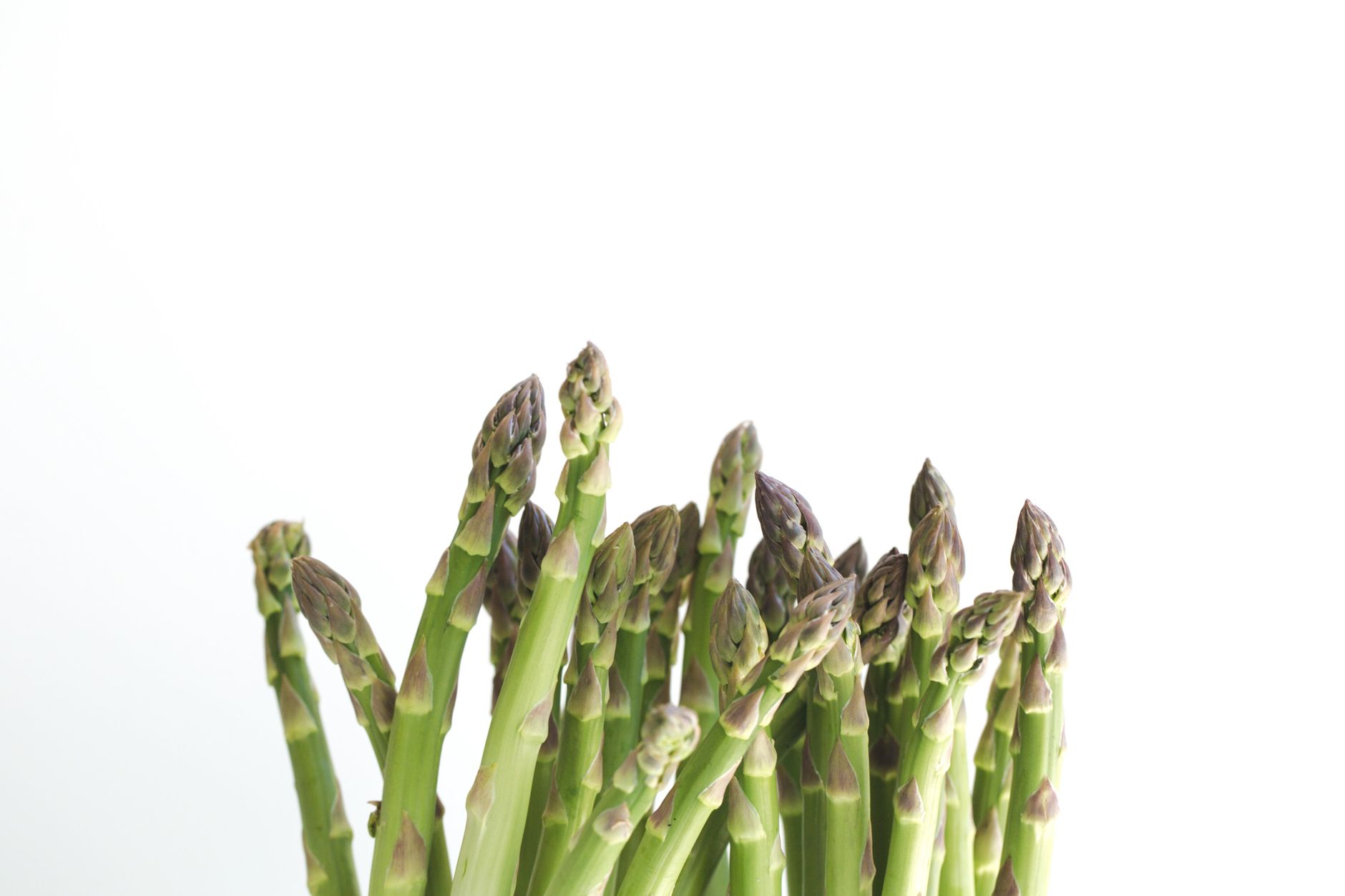
Boiling asparagus is one of the simplest methods to prepare this nutritious vegetable, enhancing its natural flavor while retaining its vibrant color. Knowing the correct boiling time is essential to achieving the perfect tenderness without overcooking the asparagus. In this guide, we’ll cover how long to boil asparagus until tender, along with tips to ensure your asparagus turns out just right.
Whether you’re serving asparagus as a side dish for dinner or incorporating it into salads, pasta, or breakfast dishes, understanding the proper cooking process will elevate your culinary skills. Let’s explore the ideal boiling time, temperature, and techniques for perfectly tender asparagus.
How Long To Boil Asparagus Until Tender?
To achieve tender asparagus, you should boil it for about 3 to 5 minutes. The exact time will depend on the thickness of the spears. Thinner asparagus requires less time, while thicker spears need the full duration. The key is to test the asparagus for doneness, which should be bright green and easily pierced with a fork yet still slightly crisp.
The Basics of Boiling Asparagus
Boiling asparagus is a straightforward process that involves just a few steps. Here’s a breakdown of what makes this cooking method effective:
- Preserves flavor: Boiling allows the asparagus to cook quickly, which helps retain its bright, fresh flavor.
- Maintains nutrients: Quick boiling minimizes nutrient loss compared to longer cooking methods.
- Color retention: A brief boiling period keeps asparagus looking appealing and vibrant.
Choosing the Right Asparagus
When selecting asparagus for boiling, consider the following:
- Color: Look for bright green stalks with closed, firm tips. Avoid any that appear wilted or have brown spots.
- Thickness: Thinner spears may be more tender but can overcook quickly. Thicker spears may require longer cooking but offer a more robust flavor.
- Freshness: The fresher the asparagus, the better the taste. Aim to buy asparagus that has been recently harvested.
Preparing Asparagus for Boiling
Before you start boiling, it’s crucial to prepare the asparagus properly:
- Wash: Rinse the asparagus under cold running water to remove any dirt or sand.
- Trim: Cut off the woody ends of the asparagus. Typically, this is about 1 to 2 inches from the bottom, but you can also bend the asparagus until it snaps naturally to find the ideal cut.
- Optional peeing: For very thick asparagus, consider peeling the outer skin using a vegetable peeler to enhance tenderness.
How to Boil Asparagus
Follow these steps to boil asparagus effectively:
- Bring a pot of water to a boil: Fill a large pot with water and add a pinch of salt. Bring it to a rolling boil over high heat.
- Add the asparagus: Carefully place the prepared asparagus into the boiling water. Ensure the spears are submerged entirely.
- Set a timer: Depending on the thickness of the spears, start timing. For thin asparagus, 2-3 minutes is sufficient; for thicker spears, aim for 4-5 minutes.
- Test for doneness: After the timer goes off, check the asparagus for tenderness by piercing a spear with a fork. It should be bright green and tender-crisp.
- Shock in cold water: Once cooked, immediately transfer the asparagus to a bowl filled with ice water. This process, known as shocking, halts the cooking and retains the bright color and crisp texture.
- Drain and dry: After a few minutes in the ice water, drain the asparagus and lay it on a clean kitchen towel to dry before serving or using in recipes.
Tips for Perfectly Boiled Asparagus
Here are some helpful tips to ensure your asparagus is boiled to perfection:
- Do not overcrowd: If cooking a large batch, consider boiling in batches to maintain water temperature and even cooking.
- Salt the water: Adding salt to boiling water enhances the flavor of the asparagus.
- Use a lid: Covering the pot can help the water boil faster and maintain the temperature.
- Immediate cooling: Shocking the asparagus in ice water right after boiling helps retain the vibrant color and crisp texture.
Common Mistakes When Boiling Asparagus
Avoiding these common mistakes can help you achieve a better result:
- Overcooking: Keep a close eye on the cooking time, as asparagus can quickly become mushy if overcooked.
- Skipping the ice bath: Neglecting to shock the asparagus can lead to continued cooking, resulting in loss of texture and flavor.
- Not trimming properly: Failing to trim the woody ends will make for a less pleasant eating experience.
Flavoring Your Boiled Asparagus
Boiled asparagus is versatile and can be enhanced with various flavorings. Here are some ideas:
- Olive oil and lemon: Drizzle with olive oil and a squeeze of fresh lemon juice for a bright, refreshing taste.
- Garlic and herbs: Sauté minced garlic and herbs (like parsley or basil) in olive oil and toss with your asparagus.
- Parmesan cheese: Grate fresh Parmesan on top of warm asparagus for a rich, savory addition.
- Vinegar: A sprinkle of balsamic or red wine vinegar can elevate the dish with tanginess.
Varieties of Asparagus
Not all asparagus is the same; here are a few varieties you might encounter:
- Green asparagus: The most common variety, known for its flavor and versatility.
- White asparagus: Grown underground to prevent photosynthesis, this variety is mild and tender.
- Purple asparagus: Sweeter than the green type, with a vibrant color that adds visual appeal to dishes.
Storing Leftover Asparagus
If you have leftover boiled asparagus, store it properly to maintain quality:
- Refrigeration: Place the cooled asparagus in an airtight container and store it in the refrigerator for up to 3-4 days.
- Freezing: For longer storage, it’s best to freeze asparagus. Blanch it first (boil for 2-3 minutes, then shock in ice water) and then freeze in a single layer before transferring to a freezer-safe bag for up to 8 months.
Using Boiled Asparagus in Recipes
Boiled asparagus can be enjoyed in various dishes. Here are a few ideas:
- Salads: Toss boiled asparagus with mixed greens, cherry tomatoes, and a balsamic vinaigrette for a refreshing salad.
- Pasta: Mix boiled asparagus with pasta, olive oil, garlic, and parmesan for a simple yet delicious meal.
- Omelets or frittatas: Add chopped boiled asparagus to egg dishes for a delightful breakfast or brunch option.
Conclusion
Boiling asparagus until tender is an effortless yet rewarding process. By following the right techniques and timings, you can enjoy perfectly cooked asparagus that enhances any meal. Remember to experiment with flavors and recipes to make the most of this versatile vegetable.
For more cooking tips and guided recipes, check out how to boil asparagus and learn how to cook fresh green beans.