
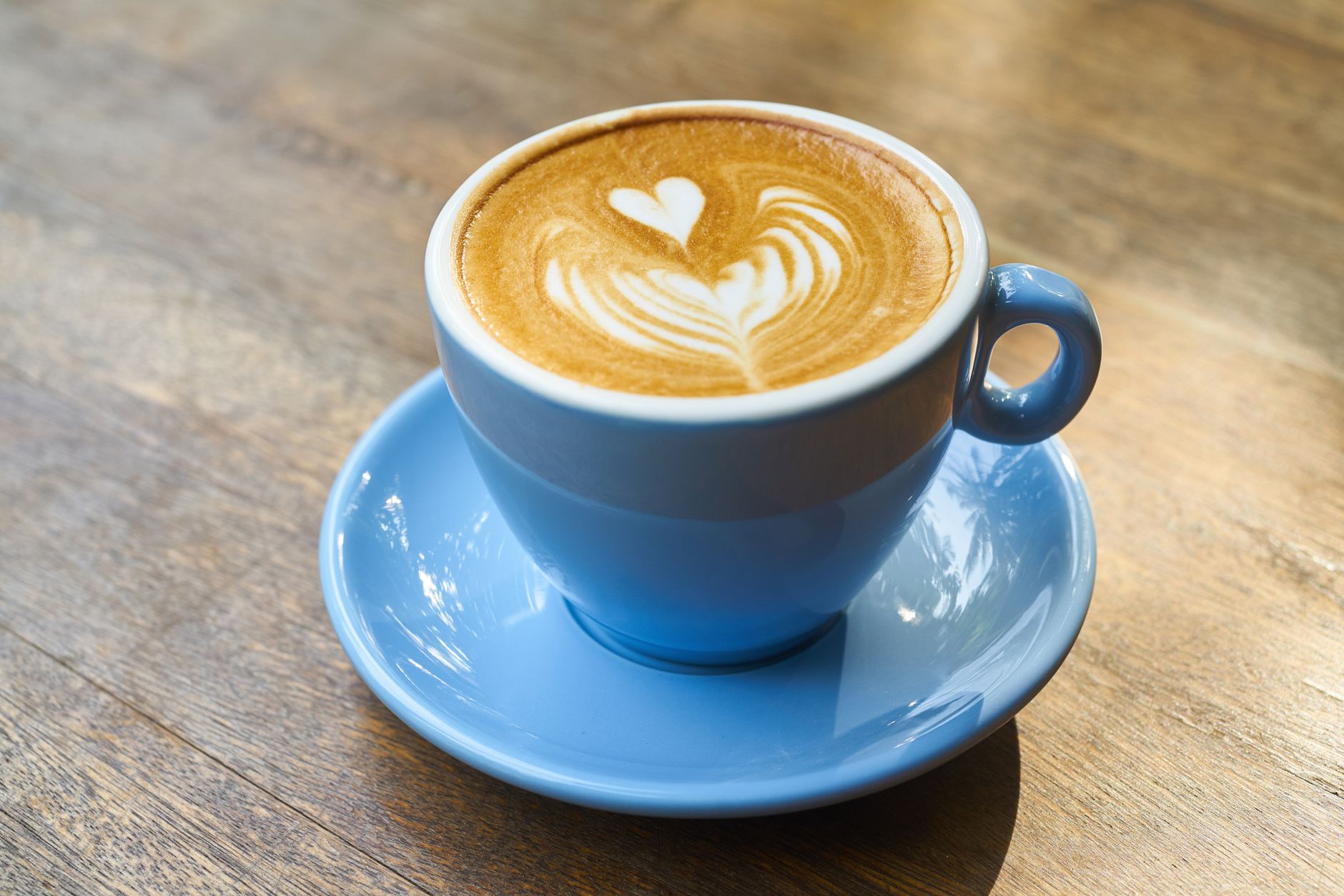
Coffee and espresso are two beloved beverages that share a common origin yet differ significantly in preparation, flavor, and strength. Understanding these differences can enhance your coffee-drinking experience and help you choose the right brew for every occasion.
In this article, we will explore the distinctions between coffee and espresso, including their preparation methods, flavor profiles, and suitable substitutes. By the end, you’ll gain insights into how to enjoy each drink to its fullest potential.
What Is The Difference Between Coffee And Espresso?
The primary difference between coffee and espresso lies in their brewing methods, grind size, and preparation time. Espresso is brewed by forcing hot water through finely-ground coffee beans under high pressure, resulting in a concentrated shot with a rich flavor and creamy texture. In contrast, regular coffee is typically brewed using a drip method or a French press, involving coarser grounds and a longer extraction time.
Understanding Coffee and Espresso: Preparation Methods
Brewing Coffee
Regular coffee can be made using various brewing methods. The most common methods include:
- Drip Brew: Hot water slowly passes through ground coffee in a paper or metal filter, producing a clean cup.
- French Press: Coarse-ground coffee is steeped in hot water, then separated by pressing down a metal or plastic plunger.
- AeroPress: Coffee is brewed by forcing hot water through the coffee grounds with air pressure, yielding a smooth cup.
- Pour Over: Hot water is manually poured over coffee grounds, allowing for precise control over extraction.
Brewing Espresso
The process of making espresso is distinct and technical:
- Using a fine grind, espresso coffee should be measured to around 18-20 grams for a double shot.
- Pack the coffee grounds tightly into the portafilter using a tamper for even extraction.
- Attach the portafilter to an espresso machine and start the brewing process, where hot water is forced through the grounds for about 25-30 seconds.
- The result is approximately 2 ounces of espresso, with a layer of crema on top.
Flavor Profile: Coffee vs. Espresso
Flavor is another key difference between coffee and espresso. Espresso is known for its rich, concentrated flavor, with a thicker mouthfeel and a layer of crema that adds a hint of sweetness. The high pressure during brewing extracts more flavor compounds, contributing to its strong taste.
Regular coffee, while also flavorful, tends to have a milder taste, especially when brewed with a coarser grind. The flavors can vary widely based on the grind size, water temperature, and brew time used, allowing for a broader range of tastes and aromas.
Strength and Caffeine Content
Strength and caffeine content vary between coffee and espresso, but it’s essential to understand how serving size affects perception.
- Caffeine in Espresso: A standard 1-ounce shot of espresso contains about 63 mg of caffeine.
- Caffeine in Coffee: An 8-ounce cup of coffee contains roughly 95 mg of caffeine on average.
Espresso has a higher caffeine content per ounce, but because it is typically served in smaller quantities, an average serving of coffee usually has more caffeine overall.
Culinary Uses and Serving Suggestions
The versatility of coffee and espresso in the culinary realm is vast, with each beverage suitable for various recipes and applications.
Typical Uses for Coffee
- Brewing a Hot Cup: Served black or with milk and sweeteners.
- Cold Brew: A refreshing alternative made by steeping coarsely ground coffee in cold water for several hours.
- Flavored Coffee Drinks: Used in recipes for lattes, cappuccinos, iced coffee, and coffee smoothies.
Typical Uses for Espresso
- Base for Espresso Drinks: Essential for making lattes, cappuccinos, macchiatos, and Americanos.
- Desserts: Common ingredient in tiramisu, espresso brownies, and coffee-flavored ice creams.
- Espresso Tonic: A refreshing drink combining espresso with tonic water for a unique flavor.
Substitutes for Coffee and Espresso
In some cases, you may not have coffee or espresso on hand but still want to create a similar flavor in your drinks or dishes. Here are some practical substitutes:
Substitutes for Coffee
- Dandelion Coffee: A caffeine-free alternative made from roasted dandelion roots, providing an earthy flavor.
- Chicory Coffee: Often blended with coffee, chicory can provide a similar bitterness and depth.
- Coffee-Flavored Syrups: Use coffee flavoring syrups for baking or drink recipes when coffee isn’t available.
Substitutes for Espresso
- Strong Brewed Coffee: Use double-strength brewed coffee, about 1/2 to 1 ounce, to approximate the strength of espresso.
- Instant Espresso Powder: This is a concentrated form and can be reconstituted with hot water for similar flavor.
- Dark Roast Coffee: Choose a dark roast brewed for a stronger flavor profile.
Common Mistakes When Brewing Coffee and Espresso
Brew errors can diminish the quality of your coffee experience. Here are some common pitfalls to avoid:
Common Coffee Mistakes
- Wrong Grind Size: Using the wrong grind can lead to over-extraction or under-extraction.
- Oversteeping: Allowing coffee to brew for too long can result in bitterness.
- Poor Water Quality: Using tap water with strong mineral flavors can alter the taste of your coffee.
Common Espresso Mistakes
- Inconsistent Grind Size: An uneven grind leads to uneven extraction and can ruin the flavor.
- Improper Tamping: Failing to tamp evenly can cause channeling, affecting the extraction.
- Temperature Control: Brew temperature should be between 190°F-205°F. Too high or low can ruin the extraction process.
Storing Coffee and Espresso
Proper storage is essential to maintaining the flavor profile of both coffee and espresso:
- Whole Beans: Keep in an airtight container in a cool, dark place to prevent oxidation.
- Ground Coffee: Best consumed fresh; if not, store in an airtight container but be aware it may not retain its flavor as long.
- Espresso: Use fresh beans for espresso, as they lose flavor quickly once ground.
Final Thoughts: Enjoying Coffee and Espresso
Whether you favor a robust espresso shot or a smooth cup of coffee, understanding the differences in preparation, flavor, and usage will enhance your experience. Both beverages offer unique benefits and can cater to different tastes and occasions.
Next time you reach for a cup, consider how preparation methods can impact flavor and caffeine levels. Experimenting with different brewing techniques may reveal exciting new textures and flavors.
For those looking to explore unique variations, check out the delicious espresso tonic recipe or the refreshing iced americano recipe. These recipes present delightful ways to enjoy espresso and coffee. Enjoy your brewing journey!