
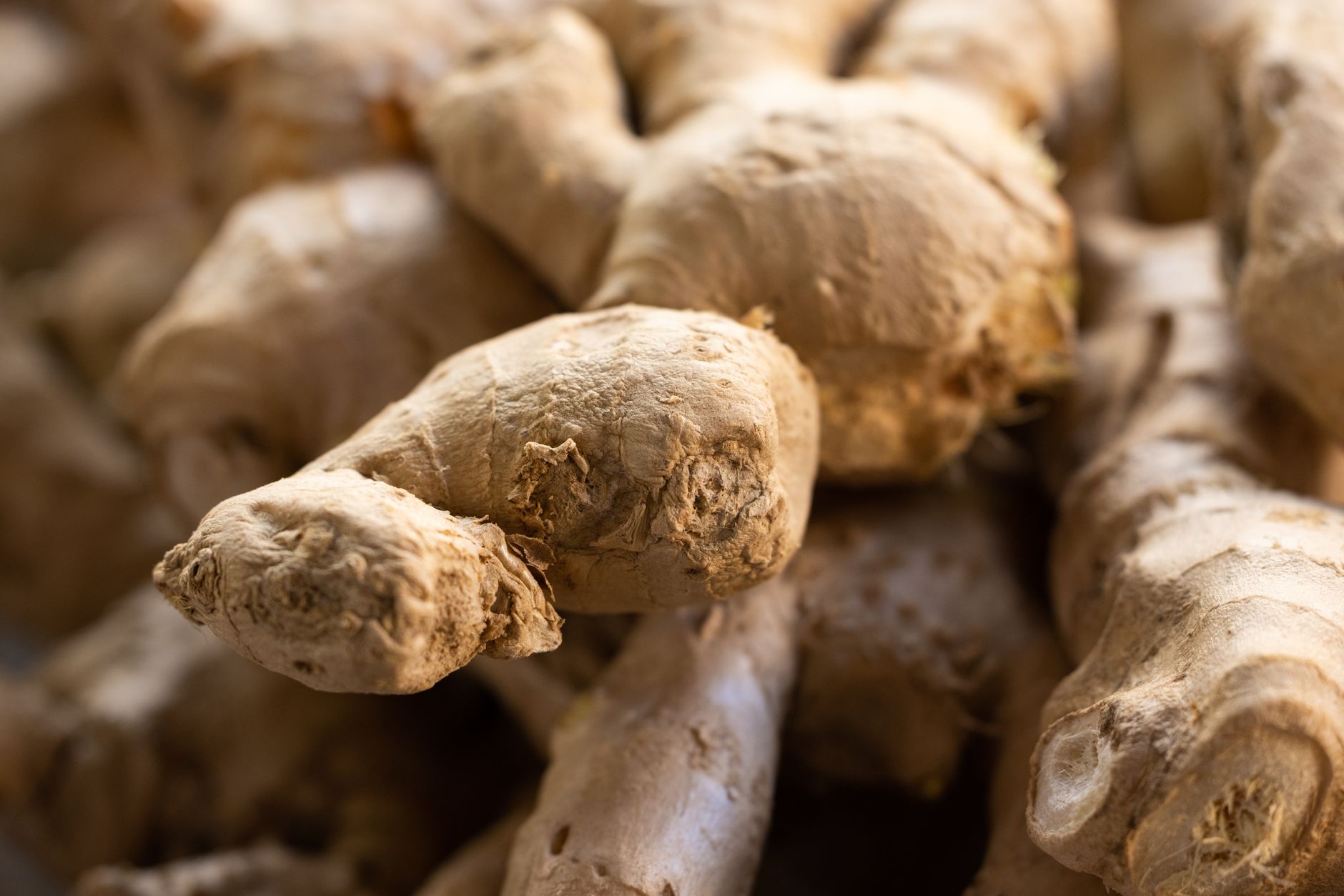
Ginger, a root spice known for its piquant flavor and medicinal properties, is often consumed in various forms—fresh, dried, or powdered. Many people wonder about the benefits and drawbacks of eating raw ginger. Is it a healthy addition to your diet, or are there concerns to consider?
This article delves into the nutritional profile of raw ginger, its potential health benefits, recommended portions, and creative ways to incorporate it into your meals, helping you determine if eating raw ginger is good for you.
Is Eating Raw Ginger Good for You?
Eating raw ginger is generally good for you due to its anti-inflammatory and antioxidant properties. It can aid digestion, relieve nausea, and enhance immunity. However, portions should be moderate to avoid potential digestive discomfort.
Nutritional Profile of Raw Ginger
Raw ginger is low in calories but rich in various nutrients. A typical serving size of raw ginger (about one ounce or 28 grams) contains:
- Calories: 22
- Protein: 0.6 grams
- Carbohydrates: 4.4 grams
- Fiber: 1.2 grams
- Fat: 0.2 grams
- Vitamin C: 1.2 mg (2% DV)
- Magnesium: 43 mg (11% DV)
- Potassium: 415 mg (12% DV)
This nutritional content makes raw ginger a valuable addition to your diet, offering various vitamins and minerals that benefit overall health.
Health Benefits of Raw Ginger
Raw ginger has a number of potential health benefits, primarily due to its active compounds, such as gingerol and shogaol. These compounds are responsible for ginger’s medicinal properties. Here are some of the significant health benefits:
1. Anti-Inflammatory Properties
Ginger is known for its anti-inflammatory effects, helping to reduce inflammation in the body. This property can be particularly beneficial for individuals suffering from conditions like arthritis or chronic pain.
2. Digestive Aid
Raw ginger can stimulate digestion and alleviate digestive discomfort. It helps in reducing bloating and gas, making it a popular remedy for nausea, especially morning sickness during pregnancy.
3. Immune System Support
The antioxidants present in ginger can help strengthen the immune system, making the body more resilient to infections and diseases.
4. Nausea Relief
Consuming raw ginger can help reduce feelings of nausea, making it effective for those undergoing chemotherapy or suffering from motion sickness.
5. Heart Health
Some studies suggest that ginger may aid in lowering cholesterol and improving overall heart health by reducing the risk factors associated with heart disease.
Recommended Portions of Raw Ginger
While incorporating raw ginger into your diet can offer various health benefits, moderation is key. The typical recommended portion is about one inch of fresh ginger root per day or approximately 1-2 tablespoons of freshly grated ginger.
Excessive consumption may lead to digestive issues, including heartburn, diarrhea, and stomach upset. It’s important to listen to your body and adjust your intake based on how you feel after consuming ginger.
Ways to Incorporate Raw Ginger into Your Diet
Incorporating raw ginger into your meals is simple and can enhance the flavor and healthful properties of various dishes. Here are some practical ideas:
1. Ginger Tea
One of the easiest ways to enjoy raw ginger is by making ginger tea. Simply slice fresh ginger and steep it in hot water for about 10 minutes. You can add honey or lemon for added flavor.
2. Smoothies
Adding a small piece of raw ginger to your smoothie can provide a zesty kick. It pairs well with fruits like bananas, oranges, and berries.
3. Salad Dressings
Incorporate freshly grated ginger into your salad dressings. Mixing ginger with soy sauce, sesame oil, and lime juice creates a refreshing dressing for salads or grains.
4. Stir-Fries
Grated raw ginger can add depth to stir-fries. Sauté it with garlic and vegetables for an aromatic and flavorful base.
5. Sushi and Sashimi
Raw ginger, often served alongside sushi and sashimi, acts as a palate cleanser. Eating it between different types of fish enhances the overall dining experience.
6. Marinades
Include raw ginger in marinades for meat and fish to add a unique flavor profile. It enhances the taste while tenderizing the meat.
Common Mistakes When Consuming Raw Ginger
While raw ginger is generally safe to eat, there are some common pitfalls to avoid:
- Excessive consumption: Eating too much raw ginger can lead to digestive discomfort. Stick to recommended portions.
- Ignoring personal tolerance: Some individuals may have a sensitivity to ginger. If you experience adverse effects, consider reducing your intake.
- Incorrect storage: Keep ginger in a cool, dry place. Storing it improperly can reduce its freshness and flavor.
Practical Tips for Using Raw Ginger
To make the most out of raw ginger, consider the following tips:
- Use a microplane or grater to easily prepare fresh ginger.
- Peel ginger using the edge of a spoon to minimize waste.
- Freeze leftover ginger to prolong its shelf life; it can be grated directly from frozen.
- Combine ginger with other herbs and spices, such as garlic and turmeric, to amplify health benefits.
Storage Guidelines for Raw Ginger
Proper storage of raw ginger can help maintain its freshness and flavor for a longer period. Here are some tips:
- Keep fresh ginger in a cool, dark place like the pantry or cellar.
- Wrap ginger in a paper towel and place it in a resealable plastic bag to keep moisture away.
- If you have peeled or chopped ginger, store it in an airtight container in the refrigerator.
- Consider freezing ginger; it can last for several months when properly stored.
Potential Side Effects of Eating Raw Ginger
While raw ginger is safe for most people, it may cause side effects in certain individuals:
- Heartburn: Some people may experience heartburn or acid reflux after consuming raw ginger.
- Blood thinning: Ginger can act as a natural blood thinner; if you’re on blood-thinning medication, consult your doctor before increasing your ginger intake.
- Allergic reactions: Though rare, some individuals may develop an allergic reaction to ginger. If you notice symptoms such as itching, rash, or difficulty breathing, seek medical attention.
Conclusion
Eating raw ginger can be a nutritious and flavorful addition to your diet, providing a host of health benefits when consumed in moderation. It’s a versatile ingredient that enhances various dishes while supporting digestive health, boosting immunity, and offering anti-inflammatory properties.
If you’re looking to explore more about ginger, check out our article on what ginger is and also learn how to make ginger syrup for delicious beverages and desserts.