
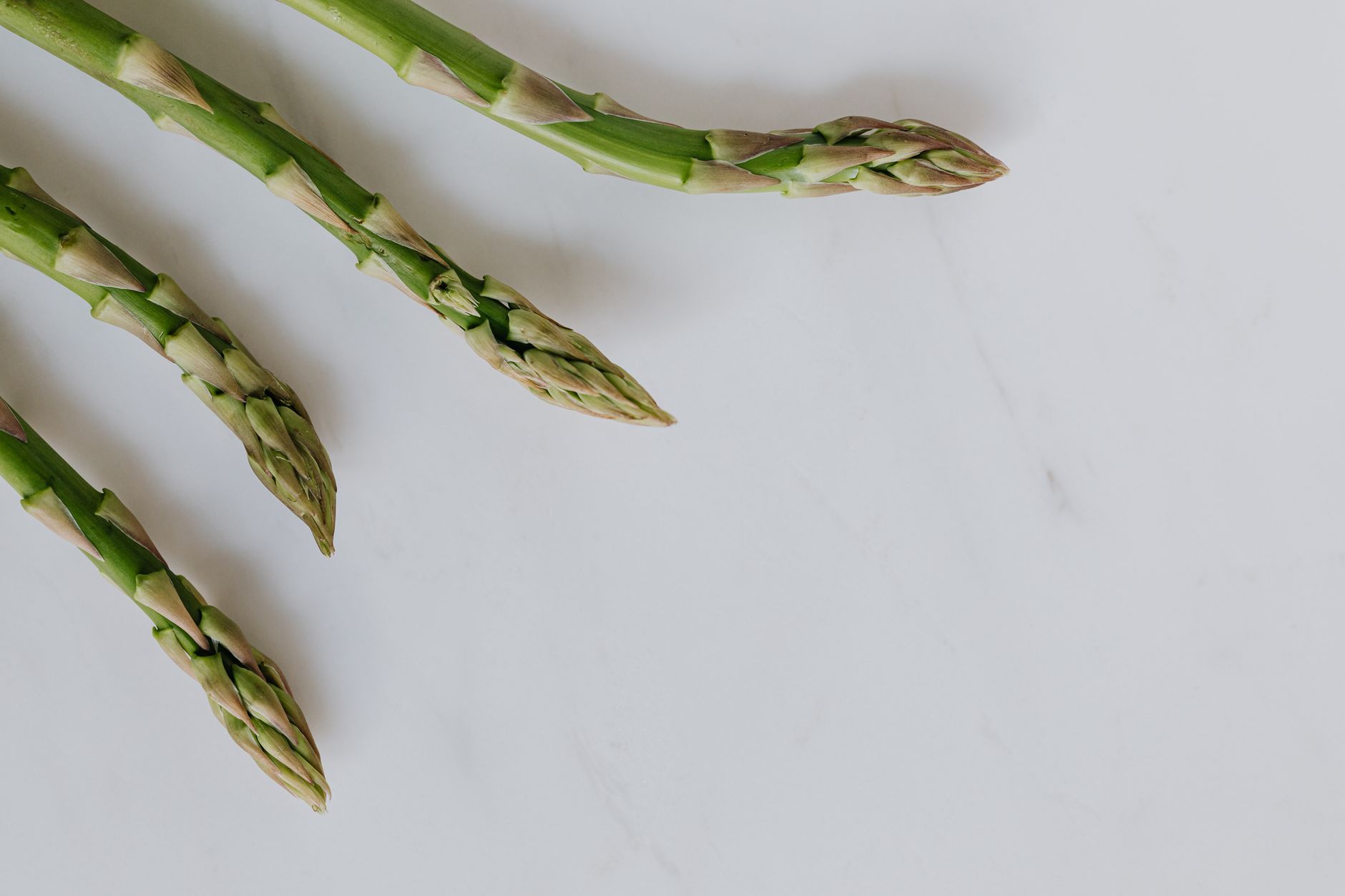
Asparagus is a versatile vegetable known for its delicate flavor and tender texture. Whether you’re grilling, steaming, or roasting, understanding how long it takes to cook asparagus is key to achieving that perfect bite. This guide breaks down cooking methods, timing, and tips to elevate your asparagus game in the kitchen.
While asparagus can be enjoyed raw, the cooking process enhances its flavor and tenderness. Depending on the method you choose, the cooking times can vary significantly. Let’s explore how long it takes to cook asparagus using various techniques and at different temperatures.
How Long Does It Take to Cook Asparagus?
The cooking time for asparagus typically ranges from 2 to 15 minutes, depending on the cooking method and desired doneness. For example, blanching takes approximately 2-4 minutes, while roasting may take about 10-15 minutes. The thickness of the asparagus spears also influences cooking time.
Choosing the Right Asparagus
Before diving into cooking times, selecting the right asparagus is crucial. Look for firm, bright green spears with tight, compact tips. Avoid asparagus that appears limp, dull, or has open, flowering tips. The thickness of the spears can range from thin (pencil-thin) to thick (almost a quarter-inch). Generally, thinner spears cook faster than thicker ones.
Cooking Methods and Times for Asparagus
Asparagus can be prepared in several ways, including boiling, steaming, roasting, grilling, and sautéing. Below is a guide outlining each method, along with the corresponding cooking times.
Boiling
Boiling is one of the quickest methods for cooking asparagus. Here’s how to do it:
- Bring a pot of salted water to a rolling boil.
- Add the cleaned asparagus spears.
- Cook for 2-4 minutes, depending on the thickness of the spears:
- Thin spears: 2-3 minutes
- Medium spears: 3-4 minutes
- Thick spears: 4-5 minutes
- Immediately transfer the asparagus to an ice bath to stop the cooking process.
Steaming
Steaming asparagus preserves its nutrients and results in bright green spears. Here’s a simple steaming method:
- Fill a pot with a couple of inches of water and bring it to a simmer.
- Place asparagus in a steaming basket and place it over the simmering water.
- Cover and steam for 3-5 minutes, depending on thickness:
- Thin spears: 3 minutes
- Medium spears: 4 minutes
- Thick spears: 5 minutes
Roasting
Roasting asparagus brings out a delicious nutty flavor. The recommended temperature is 400°F (204°C), and here’s how to do it:
- Preheat your oven to 400°F (204°C).
- Spread cleaned asparagus on a baking sheet.
- Drizzle with olive oil, season with salt and pepper, then toss to coat.
- Roast for 10-15 minutes, turning halfway through:
- Thin spears: 10 minutes
- Medium spears: 12 minutes
- Thick spears: 15 minutes
- Asparagus is done when it is tender and slightly crispy.
Grilling
Grilling asparagus gives it a lovely smoky flavor. Follow these steps for perfectly grilled spears:
- Preheat your grill to medium-high heat.
- Toss asparagus with olive oil, salt, and pepper.
- Place asparagus directly on the grill grates or use a grilling basket. Grill for 5-7 minutes:
- Thin spears: 5 minutes
- Medium spears: 6 minutes
- Thick spears: 7 minutes
- Turn occasionally until the spears are tender and grill marks appear.
Sautéing
Sautéing asparagus is quick and easy and adds a touch of flavor from the sautéing fat. Here’s how to sauté asparagus:
- Heat olive oil or butter in a skillet over medium heat.
- Add the cleaned asparagus and cook for 5-7 minutes, stirring occasionally:
- Thin spears: 5 minutes
- Medium spears: 6 minutes
- Thick spears: 7 minutes
- The asparagus should be tender yet crisp.
Flavor Pairings
Asparagus has a unique flavor that pairs well with various ingredients. Here are some excellent flavor combinations:
- Garlic: Sautéed with garlic for added depth.
- Lemon: A squeeze of fresh lemon juice brightens the flavor.
- Parmesan: Grated cheese adds a savory element.
- Prosciutto: Wrapped around asparagus for a gourmet touch.
- Herbs: Oregano, thyme, or basil enhance the asparagus’s natural flavor.
Common Mistakes to Avoid
While cooking asparagus may seem straightforward, there are common pitfalls to avoid:
- Overcooking: Aim for tender yet still firm spears; overcooked asparagus becomes mushy.
- Not trimming: Always trim or snap off the tough ends of the spears before cooking.
- Skipping the ice bath: If boiling, instantly cooling in an ice bath helps retain color and crunch.
- Not seasoning: Asparagus can taste bland without proper seasoning or dressing.
Serving Suggestions
Cooked asparagus can be served in various ways, including:
- As a side dish: Serve alongside grilled meats or fish.
- In salads: Toss with greens, nuts, and dressing for a refreshing salad.
- In pasta dishes: Combine with pasta, olive oil, and parmesan for a light meal.
- On pizza: Add asparagus to gourmet pizzas for added texture and flavor.
Make-Ahead Tips
If you plan to prepare asparagus ahead of time, consider these make-ahead tips:
- Blanch asparagus and store it in the refrigerator for up to three days.
- Cooked asparagus can also be used in meal prep: toss into lunch bowls or salads.
- Avoid reheating in the microwave, as it can make asparagus soggy. Instead, quickly sauté or re-roast for a few minutes.
Storage and Reheating
Proper storage ensures your cooked asparagus remains fresh:
- Store leftover cooked asparagus in an airtight container in the refrigerator for up to three days.
- To reheat, sauté in a pan over medium heat or roast for a few minutes until warmed through.
Is It Safe to Eat Raw Asparagus?
Yes, raw asparagus can be eaten and offers a crunchy texture and fresh flavor. However, it’s important to wash it thoroughly before consuming. If you’re considering raw asparagus, slicing it thinly or pairing it with a dip can enhance the experience.
FAQs about Cooking Asparagus
Here are some frequently asked questions about cooking asparagus:
Can you eat the whole asparagus spear?
Yes, the entire spear is edible, but the tough, woody ends should be trimmed off before cooking.
What is the best way to cook asparagus to retain nutrients?
Steaming is often considered the best method for nutrient retention, though blanching is also effective if followed by an ice bath.
Should I peel asparagus before cooking?
Peeling is not necessary for tender asparagus, but if the spears are particularly thick, peeling the lower part can help.
How do I know when asparagus is done cooking?
Asparagus is done when it is bright green and tender, with a slight crunch. You can pierce it with a fork to test doneness.
Cooking Times Overview
| Method | Thin Spears (2-3 mm) | Medium Spears (4-5 mm) | Thick Spears (6 mm+) |
|---|---|---|---|
| Boiling | 2 minutes | 3-4 minutes | 4-5 minutes |
| Steaming | 3 minutes | 4 minutes | 5 minutes |
| Roasting | 10 minutes | 12 minutes | 15 minutes |
| Grilling | 5 minutes | 6 minutes | 7 minutes |
| Sautéing | 5 minutes | 6 minutes | 7 minutes |
Asparagus is a simple yet elegant vegetable that adds both flavor and nutrition to your meals. Understanding the best cooking methods and times will help you enjoy this delightful green to its fullest.
Consider trying different cooking methods, flavor pairings, and serving ideas to make the most of your asparagus. Enjoy your culinary adventures with this nutritious veggie!
Explore more about boiling asparagus or find out if you can eat raw asparagus for a comprehensive understanding of this delightful vegetable.