
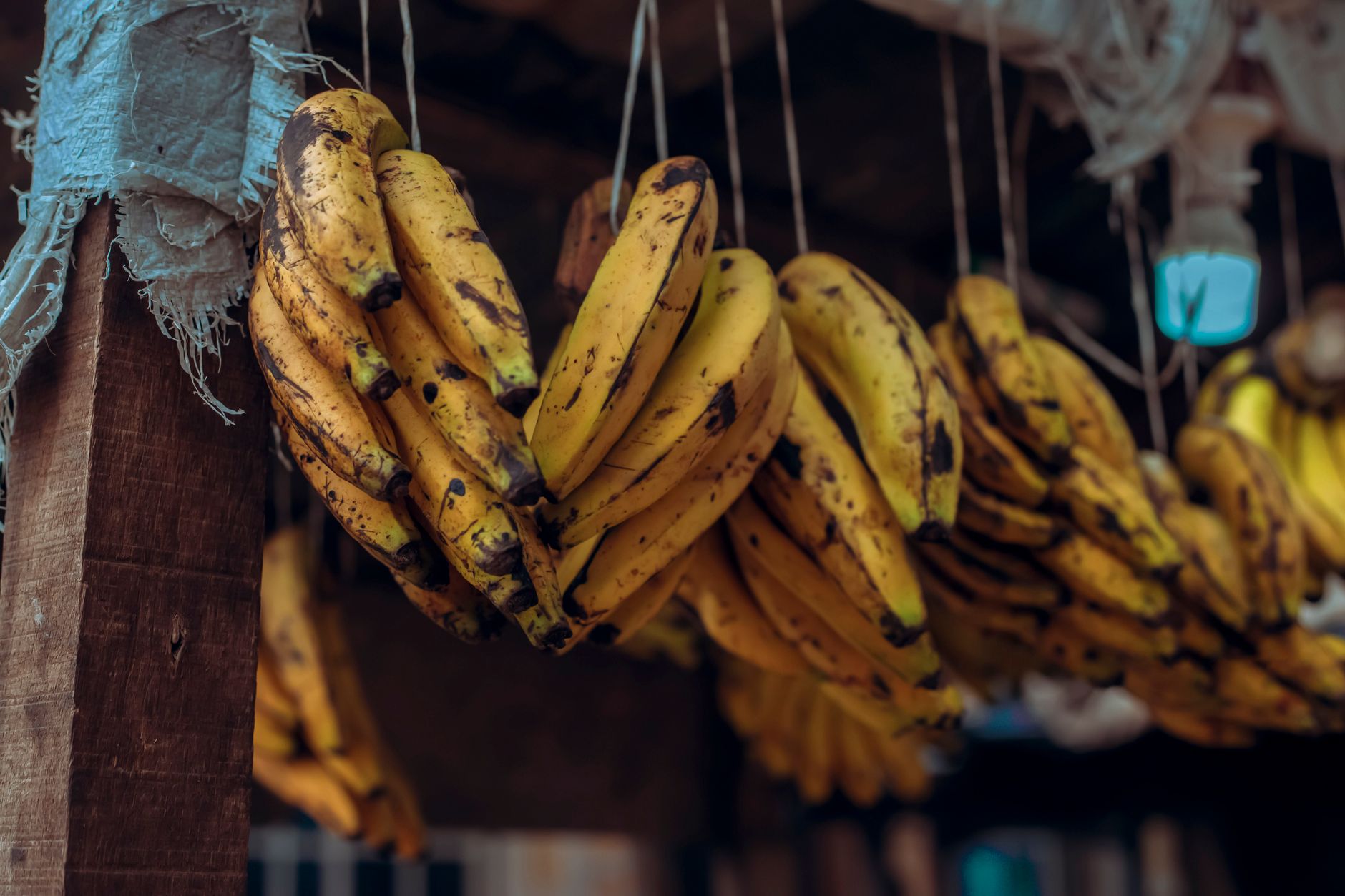
Bananas are a beloved fruit enjoyed for their sweetness, portability, and versatility in various dishes. However, a common question arises in the realm of nutrition: Do bananas contain vitamin B12? This article delves into the details of vitamin B12, its importance, and whether bananas can serve as a source of this essential nutrient.
Vitamin B12 is critical for maintaining healthy nerve cells and red blood cells. It also plays a vital role in DNA synthesis and the overall functioning of the brain. Many people, especially those following a plant-based diet, wonder how to incorporate enough B12 into their nutrition plan. While bananas are rich in other vitamins and minerals, they do not contain vitamin B12. Let’s explore this further.
What is Vitamin B12?
Vitamin B12, also known as cobalamin, is a water-soluble vitamin that is part of the B-vitamin family. It is unique among vitamins due to its complex structure and the fact that it is primarily found in animal products. Since our bodies cannot produce vitamin B12, it needs to be obtained through diet or supplements.
Key functions of vitamin B12 include:
- Maintaining nerve function
- Producing red blood cells
- Supporting DNA synthesis
- Contributing to brain health
How Do Bananas Fit into a Healthy Diet?
While they lack vitamin B12, bananas are rich in other essential nutrients, including:
- Potassium: Important for heart health and muscle function.
- Vitamin C: An antioxidant that aids in immune function.
- Vitamin B6: Important for brain health and metabolism.
- Fiber: Aids in digestion and promotes a feeling of fullness.
With their high carbohydrate content, particularly natural sugars, bananas provide an excellent source of quick energy, making them a popular choice for a pre- or post-workout snack.
Sources of Vitamin B12
Since bananas do not contain B12, it’s essential to explore other sources to ensure adequate intake, especially for those who may be at risk for deficiency.
Animal-Based Sources
Vitamin B12 is found almost exclusively in animal products. Some of the richest sources include:
- Meat: Beef, pork, and lamb are high in vitamin B12.
- Poultry: Chicken and turkey also contain significant amounts.
- Fish: Salmon, tuna, and sardines are excellent sources.
- Dairy: Milk, yogurt, and cheese provide a good dose of B12.
- Eggs: A source of B12, often included in a vegetarian diet.
Fortified Foods
For those following vegetarian or vegan diets, considering fortified foods is essential:
- Fortified cereals: Many breakfast cereals are enriched with B12.
- Plant-based milk: Almond, soy, and oat milks often have added B12.
- Nutritional yeast: This popular vegan product is often fortified with B12.
Vitamin B12 Deficiency: Symptoms and Risks
Not obtaining enough B12 can lead to serious health issues. Symptoms of deficiency may include:
- Fatigue and weakness
- Anemia
- Nerve damage and tingling sensations
- Memory loss and cognitive difficulties
- Depression and mood changes
Individuals at higher risk for B12 deficiency include older adults, those with gastrointestinal disorders, and people following strict vegetarian or vegan diets. Regular blood tests can help monitor B12 levels and ensure proper supplementation or dietary adjustments as needed.
How to Include Bananas in Your Diet
Even without vitamin B12, bananas remain a valuable part of a healthy diet. Here are some ideas on how to incorporate bananas into your meals:
1. Breakfast Smoothie
Add a banana to your morning smoothie for added creaminess and natural sweetness. Combine it with spinach, protein powder, and your choice of milk or yogurt for a nutritious start to the day.
2. Banana Oatmeal
Slice a banana onto your bowl of oatmeal. This adds natural sweetness and essential nutrients, complemented by the fiber from oats.
3. Banana Pancakes
Use mashed bananas in your pancake batter for a flavorful twist. They help bind the ingredients together and provide a subtle banana flavor in every bite.
4. Snack Option
Bananas make a perfect on-the-go snack. Portable and mess-free, they fit easily into lunchboxes or backpacks for a quick energy boost.
5. Baking Ingredient
Incorporate bananas into baked goods like banana bread or muffins. Their moisture helps create a tender crumb, while their natural sugars enhance sweetness.
Bananas vs. Other Fruits
While bananas are popular for their taste and convenience, it’s beneficial to consider how they compare to other fruit options regarding nutrient density.
Vitamin Content Comparison
| Fruit | Vitamin B12 (mcg) | Potassium (mg) | Vitamin C (mg) |
|---|---|---|---|
| Banana | 0 | 422 | 10 |
| Strawberries | 0 | 153 | 58 |
| Oranges | 0 | 237 | 70 |
While bananas and other fruits generally do not provide B12, they contribute to overall health through a range of vitamins and minerals. Each fruit offers unique benefits, so variety is key.
Practical Tips for Storing Bananas
To enjoy bananas at their peak freshness, follow these storage tips:
- Keep bananas at room temperature until they ripen. Once fully ripened, store them in the refrigerator to slow further ripening.
- To avoid over-ripening, separate bananas from other fruits, as they release ethylene gas that can speed up ripening.
- If you have overly ripe bananas, consider freezing them for later use in smoothies or baking.
Bananas in Different Cuisines
Bananas are not just a snack; they play a versatile role in many cuisines worldwide:
1. Caribbean Cuisine
In countries such as Jamaica, bananas are often used in savory dishes, fried to create a delicious side item known as “plantains.” They bring a unique sweetness that complements spicy flavors.
2. Southeast Asian Dishes
In Thailand, bananas are incorporated into desserts, often wrapped in sticky rice and served with coconut milk, creating a sweet and satisfying treat.
3. African Dishes
In many African countries, bananas are mashed and cooked into a dish called “fufu,” used as an accompaniment to meat and vegetable stews.
Conclusion
While bananas do not contain vitamin B12, they are a nutritious addition to a balanced diet, providing valuable nutrients like potassium, vitamin C, and fiber. To ensure adequate B12 intake, especially for those with dietary restrictions, consider incorporating animal products or fortified foods into your meal planning. Explore other creative ways to enjoy bananas and think about how they can complement various meals and snacks. Keep these bananas handy, and enjoy their variety of uses in your culinary adventures.
For related information, check out how much fiber is in a banana or learn how to make a delightful banana bread to enhance your understanding and usage of this versatile fruit.