
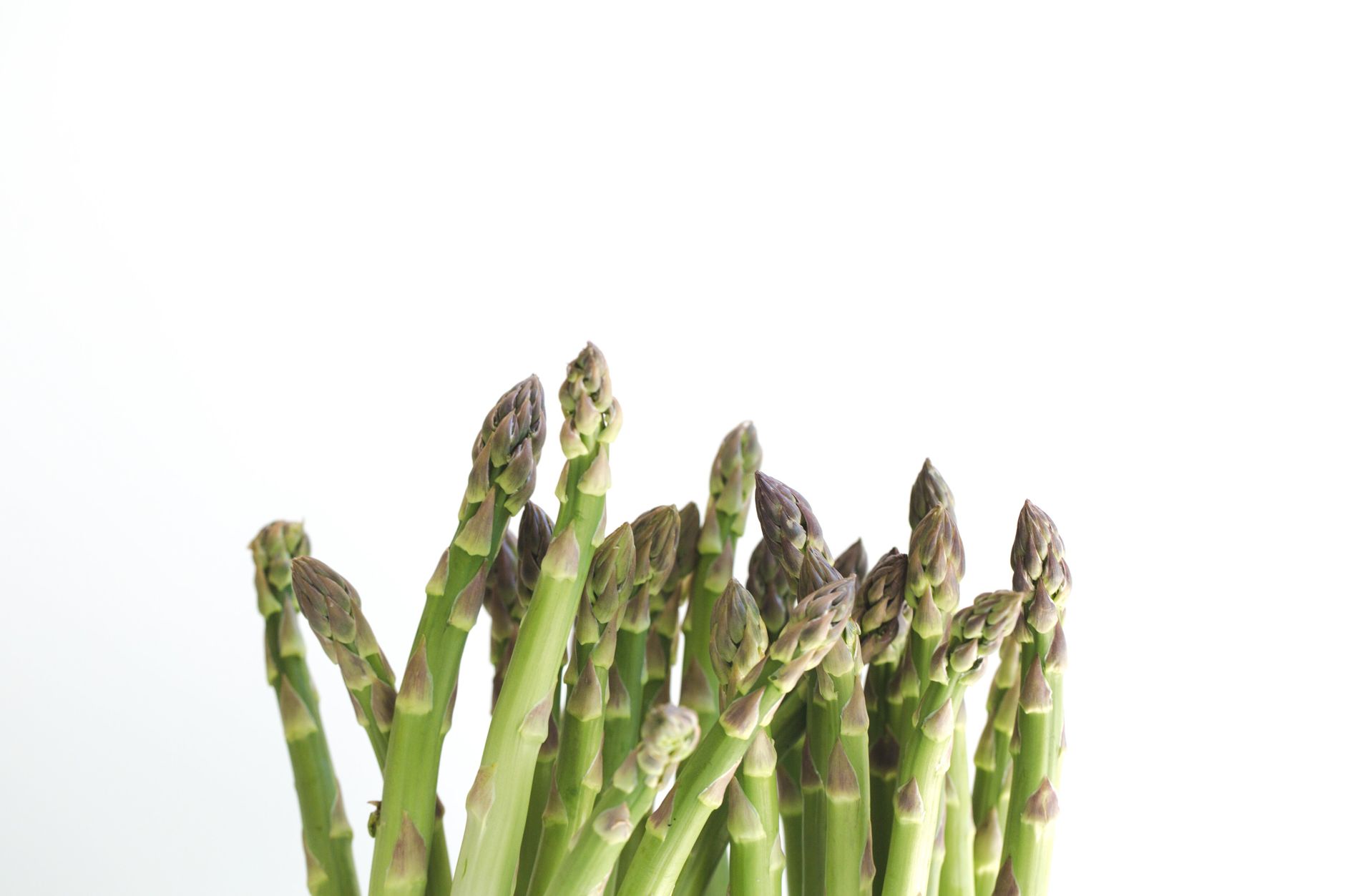
Asparagus is a versatile vegetable with a distinct flavor and texture that can enhance a variety of dishes. While most people are familiar with cooked asparagus, you might wonder, can you eat raw asparagus? The answer is yes, and it can be quite refreshing when prepared correctly.
Raw asparagus holds a crisp texture and a slightly grassy, nutty flavor that can add an interesting element to salads and other dishes. In this article, we’ll explore the safety, health benefits, preparation tips, and ways to incorporate raw asparagus into your meals.
Can You Eat Raw Asparagus?
Yes, you can eat raw asparagus. It is safe and can provide a unique flavor and crunch to salads, dips, and other dishes. It’s important to select fresh, young asparagus for the best taste and texture.
Health Benefits of Eating Raw Asparagus
Raw asparagus is not only crunchy and delightful to eat, but it’s also packed with nutritional benefits:
- Low in Calories: Asparagus is low in calories, making it an excellent option for those looking to maintain or lose weight.
- Rich in Vitamins: It contains vitamins A, C, E, and K, which contribute to overall health.
- High in Antioxidants: Asparagus is rich in antioxidants, which help combat oxidative stress in the body.
- Source of Fiber: Eating raw asparagus provides dietary fiber, which aids digestion and promotes a healthy gut.
Choosing the Right Asparagus
When consuming raw asparagus, selecting the right type is crucial. Here are some tips to help you pick fresh asparagus:
- Look for bright green stalks with tightly closed tips.
- Avoid asparagus that appears limp or has brown spots.
- You can choose between green, white, or purple asparagus, but young green asparagus is ideal for eating raw due to its tenderness.
How to Prepare Raw Asparagus
Preparation is key when serving raw asparagus to ensure it’s palatable and enjoyable. Here are steps to prepare it:
- Wash Thoroughly: Rinse the asparagus under cold running water to remove any dirt or pesticides.
- Trim the Ends: Cut about an inch off the bottom of each stalk, as the ends can be tough and woody.
- Peel if Necessary: For thicker stalks, you may want to peel the outer layer to enhance tenderness.
- Cut into Pieces: Depending on how you intend to serve them, cut the asparagus into bite-sized pieces or leave them whole.
Ways to Enjoy Raw Asparagus
Raw asparagus can be enjoyed in various ways, enhancing both flavor and presentation in meals. Here are some ideas to get you started:
1. Salad Add-In
Raw asparagus can serve as a crunchy addition to salads. Try thinly slicing it into ribbons using a vegetable peeler or mandoline for a visually appealing touch.
2. Dips and Spreads
Serve raw asparagus sticks with hummus, tzatziki, or your favorite dip for a nutritious snack. Roasting some garlic or infusing olive oil can enhance the flavor of your dip and complement the asparagus.
3. Smoothies
Add chopped raw asparagus to your smoothies for a nutritional boost. It pairs wonderfully with fruits like bananas and strawberries while remaining virtually undetectable due to their flavors.
4. Spring Rolls
Wrap raw asparagus in rice paper along with other fresh vegetables and proteins to create fresh spring rolls. Serve them with a tangy dipping sauce or a peanut sauce for added flavor.
5. Topped on Bruschetta
Top toasted bread slices with a mixture of raw asparagus, cherry tomatoes, garlic, and olive oil for a delicious and refreshing appetizer.
Common Concerns About Eating Raw Asparagus
While raw asparagus is safe for consumption, some people may have concerns:
- Digestive Issues: Some individuals may find raw vegetables hard to digest. If you experience discomfort, consider lightly steaming the asparagus instead.
- Preparation and Safety: Always ensure that your asparagus is washed thoroughly to remove any residues or bacteria, particularly if you consume it raw.
Storage Tips for Raw Asparagus
Proper storage will maintain the freshness of your asparagus, whether raw or cooked. Here are a few tips:
- Store asparagus in the refrigerator, standing upright in a jar with water, or wrapped in a damp paper towel.
- Use fresh asparagus within a few days to ensure the best flavor and texture.
- Avoid storing asparagus alongside ethylene-producing fruits (such as apples and bananas) which can cause it to spoil faster.
Potential Substitutions for Raw Asparagus
If you’re looking for alternatives to asparagus for a raw dish, consider these substitutes:
- Green Beans: Serve them raw for a similar crunch.
- Cucumber: For a refreshing crunch, chopped cucumbers can be a great substitute.
- Zucchini: Sliced or spiralized zucchini offers a mild flavor that works well in salads and wraps.
- Radishes: For a peppery bite, thinly sliced radishes can provide an interesting flavor contrast.
Common Mistakes to Avoid
To ensure your raw asparagus experience is enjoyable, avoid these common mistakes:
- Choosing Old Asparagus: Always choose fresh, young asparagus for the best taste and texture.
- Neglecting to Wash: Always wash asparagus to remove potential contaminants.
- Overcooking It First: Cooking asparagus can make it too soft, losing its crunchy texture ideal for raw dishes.
Creative Raw Asparagus Recipes
Here are a couple of simple recipes that highlight raw asparagus:
Raw Asparagus Salad
This vibrant salad combines raw asparagus with other fresh vegetables and a tangy dressing.
- Ingredients:
- 1 bunch of fresh asparagus, trimmed and sliced
- 1 cup cherry tomatoes, halved
- 1/2 cup cucumber, diced
- 1/4 cup red onion, thinly sliced
- 2 tablespoons olive oil
- 1 tablespoon balsamic vinegar
- Salt and pepper to taste
Method:
- In a large bowl, combine sliced asparagus, cherry tomatoes, cucumber, and red onion.
- In a separate small bowl, whisk together olive oil, balsamic vinegar, salt, and pepper.
- Pour the dressing over the salad and toss gently to combine.
- Serve immediately or refrigerate for 30 minutes to allow flavors to meld.
Asparagus and Hummus Snack Platter
Perfect for a light snack or appetizer, this dish combines raw asparagus with creamy hummus.
- Ingredients:
- 1 bunch of asparagus, trimmed
- 1 cup hummus (store-bought or homemade)
- Kalamata olives and cherry tomatoes for garnish
Method:
- Arrange raw asparagus stalks on a serving platter.
- Serve with a bowl of hummus in the center for dipping.
- Garnish with olives and cherry tomatoes for added color and flavor.
Conclusion
Raw asparagus can be a refreshing, crunchy addition to many dishes, from salads to snacks. With nutritional benefits and versatile preparation methods, this vegetable deserves a spot in your raw-food repertoire. Remember to choose fresh stalks, wash them thoroughly, and explore various ways to incorporate raw asparagus into your meals.
Next time you’re at the store, grab some asparagus and give it a try in one of the suggested recipes! If you want to learn more about cooking asparagus or unique ways to prepare it, check out how long to boil asparagus or explore a delicious white asparagus recipe.