
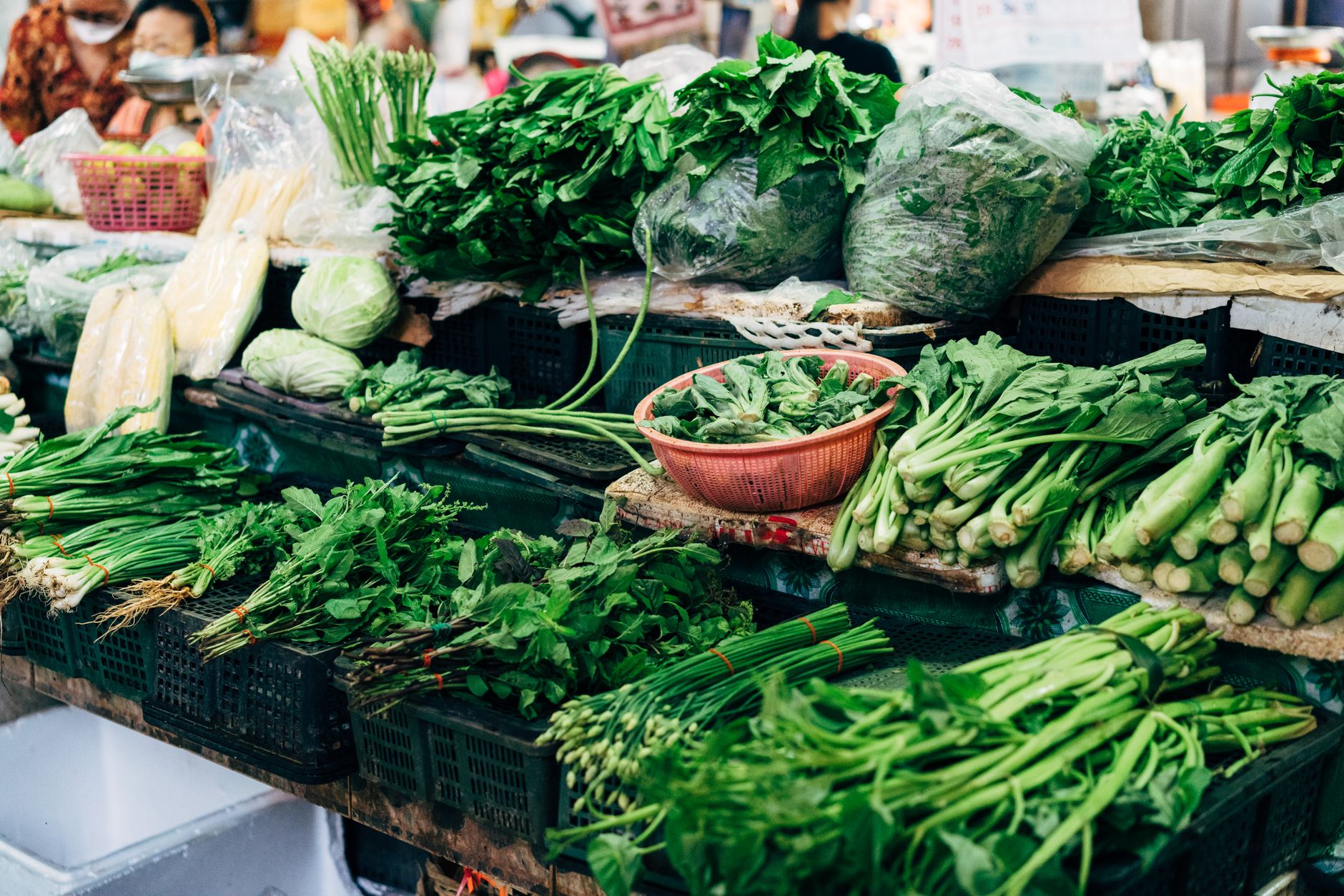
Vitamin K is an essential nutrient known for its role in blood clotting and bone health. Many people seek to enhance their diets with foods rich in this vitamin to ensure they meet their nutritional needs. Understanding which foods are high in Vitamin K can help you create a balanced diet packed with nutrients that support your overall health.
This article explores the foods that are richest in Vitamin K, providing detailed nutrition facts, serving sizes, and how to incorporate these foods into your meals effectively. Whether you’re aiming to boost your intake or simply learn more about this vital vitamin, this guide will offer practical advice and insight.
What Has Vitamin K?
Vitamin K is primarily found in green leafy vegetables, certain oils, and fermented foods. Foods such as kale, spinach, and broccoli are among the richest sources. Other sources include fish, meat, dairy products, and eggs, though these contain lower levels compared to vegetables. Consuming a variety of these foods can significantly increase your Vitamin K intake.
Understanding Vitamin K
Vitamin K is divided into two main forms: K1 (phylloquinone) and K2 (menaquinone). Vitamin K1 is mainly found in plant foods, especially green leafy vegetables, while Vitamin K2 is found in animal products and fermented foods. Both forms are essential, but they serve slightly different functions in the body.
Vitamin K1 (Phylloquinone)
Vitamin K1 is primarily involved in blood coagulation. This form mostly comes from green plants, with leafy greens being the top source. It’s the main type of Vitamin K in the diet, making up about 90% of our Vitamin K intake.
Vitamin K2 (Menaquinone)
This form of Vitamin K helps regulate calcium levels in the body and plays a role in bone metabolism. Vitamin K2 is mainly found in animal products, but fermentation processes can also yield significant amounts of K2, as seen in foods like natto, cheese, and certain fermented vegetables.
Foods Rich in Vitamin K
Here are some of the top Vitamin K-rich foods, along with their nutrition facts and serving sizes.
1. Kale
- Vitamin K Content: About 1,062 mcg per 100 grams
- Serving Size: 1 cup, raw (about 67 grams), providing approximately 720 mcg of Vitamin K
Kale is a powerhouse of nutrients, packed with vitamins A, C, and K. Its slightly bitter flavor can be balanced in salads with citrus dressings or blended into smoothies.
2. Spinach
- Vitamin K Content: About 483 mcg per 100 grams
- Serving Size: 1 cup, cooked (about 180 grams), approximately 1,021 mcg of Vitamin K
Spinach is incredibly versatile. It’s delicious in salads, sautéed as a side dish, or blended into soups, contributing not only Vitamin K but also iron and dietary fiber.
3. Broccoli
- Vitamin K Content: About 101 mcg per 100 grams
- Serving Size: 1 cup, cooked (about 156 grams), providing around 93 mcg of Vitamin K
Broccoli is nutrient-dense with a pleasant crunch. It can be steamed, stir-fried, or included in casseroles, making it an easy addition to any meal.
4. Brussels Sprouts
- Vitamin K Content: About 177 mcg per 100 grams
- Serving Size: 1 cup, cooked (about 156 grams), providing around 156 mcg of Vitamin K
Brussels sprouts have a nutty flavor, especially when roasted. Toss them with olive oil and seasonings for a delightful side dish.
5. Green Lettuce
- Vitamin K Content: About 126 mcg per 100 grams
- Serving Size: 1 cup, raw (about 47 grams), approximately 59 mcg of Vitamin K
This crunchy green is not only a staple in salads but also versatile in sandwiches and wraps.
6. Natto
- Vitamin K Content: About 1,300 mcg per 100 grams
- Serving Size: 1 cup, prepared (about 100 grams), providing 1,300 mcg of Vitamin K
Natto is a fermented soybean product rich in Vitamin K2. It has a unique flavor and texture, often served with rice and soy sauce in Japanese cuisine.
7. Parsley
- Vitamin K Content: About 1640 mcg per 100 grams
- Serving Size: 1/4 cup, fresh (about 15 grams), approximately 246 mcg of Vitamin K
Parsley can be used as a garnish, blended into sauces, or added to salads. It enhances flavor and nutrition without overwhelming dishes.
8. Prunes
- Vitamin K Content: About 60 mcg per 100 grams
- Serving Size: 1/2 cup, dried (about 90 grams), approximately 54 mcg of Vitamin K
Prunes are sweet and satisfying while providing fiber and potassium, making them great for snacking or incorporating into breakfast dishes.
9. Avocado
- Vitamin K Content: About 21 mcg per 100 grams
- Serving Size: 1 medium avocado (about 150 grams), approximately 30 mcg of Vitamin K
Avocado adds creaminess and healthy fats to meals. It can be used in salads, spreads, or simply enjoyed as is.
10. Soybeans
- Vitamin K Content: About 23 mcg per 100 grams
- Serving Size: 1/2 cup, cooked (about 86 grams), providing around 20 mcg of Vitamin K
Both edamame and cooked soybeans are protein-rich snacks and are excellent in stir-fries or salads.
How to Incorporate Vitamin K Foods into Your Diet
Incorporating Vitamin K-rich foods into your meals can be simple and enjoyable. Here are some practical tips:
1. Meal Preparation
Use leafy greens as the base for salads and sandwiches. Try adding kale or spinach to smoothies for an energy boost. Meal prep by making salads in advance, ensuring they’re topped with a variety of veggies.
2. Cooking Techniques
When cooking vegetables like broccoli or Brussels sprouts, opt for steaming or roasting to retain their nutrients. Light sautéing in olive oil can also enhance both flavors and nutrient absorption.
3. Snack Smart
Snack on broccoli florets or carrot sticks dipped in hummus. Incorporate prunes or trail mix with nuts for a sweet and healthy treat.
4. Experiment with Fermented Foods
Add natto to your diet by serving it over rice or mixing it into sauces. Fermented foods can introduce beneficial bacteria to your gut while also providing Vitamin K2.
Common Mistakes to Avoid
When aiming to increase Vitamin K intake, several pitfalls can undermine your efforts.
- Not washing leafy greens: Always wash fresh produce thoroughly to remove pesticides and dirt.
- Ignoring variety: Eating a range of Vitamin K-rich foods ensures you receive a balance of nutrients.
- Overcooking vegetables: Cooking leafy greens and cruciferous vegetables too long can reduce their Vitamin K content.
Storage Tips for Vitamin K Foods
Storing your Vitamin K-rich foods properly is essential to maintaining their freshness and nutrient content.
Leafy Greens
Store leafy greens in the refrigerator in a breathable container or plastic bag with a damp paper towel. This helps keep them crisp and prevents wilting.
Cooked Vegetables
Cooked broccoli and Brussels sprouts should be cooled and transferred to an airtight container. Consume these within a few days for maximum freshness. Reheat just enough to serve warm, but avoid overheating to preserve their nutrient content.
Dried Fruits and Nuts
Store prunes and other dried fruits in a cool, dry place. Airtight containers will help maintain their chewiness and freshness. Likewise, keep nuts stored in a sealed container to prevent them from going rancid.
Food Pairing for Enhanced Absorption
Vitamin K is a fat-soluble vitamin, meaning it is better absorbed in the presence of dietary fats. Pairing Vitamin K-rich foods with healthy fats can maximize their benefits.
Healthy Fats to Pair With
- Olive oil: Use it in dressings or for sautéing.
- Avocados: Incorporate them into salads or sandwiches.
- Nuts and seeds: Great for snacking or as toppings.
Summary of Vitamin K Sources
To summarize, integrating foods high in Vitamin K into your diet is a straightforward and delicious way to support your health. Focus on consuming a variety of greens, fermented products, and nuts. Remember to consider cooking methods and food pairings that enhance nutrient absorption.
For practical applications, experiment with recipes that utilize Vitamin K-rich ingredients. Consider making dishes like a spinach salad with nuts and olive oil, or a stir-fry featuring broccoli and carrots. These lively meals are not only aesthetically pleasing but also nourishing and energizing.
If you’re further interested in recipes for making dishes with nutritious ingredients, consider exploring options like a healthy dandelion greens recipe or discovering how much protein is in spinach with our detailed guide here. These resources will enhance your cooking repertoire while prioritizing health.