
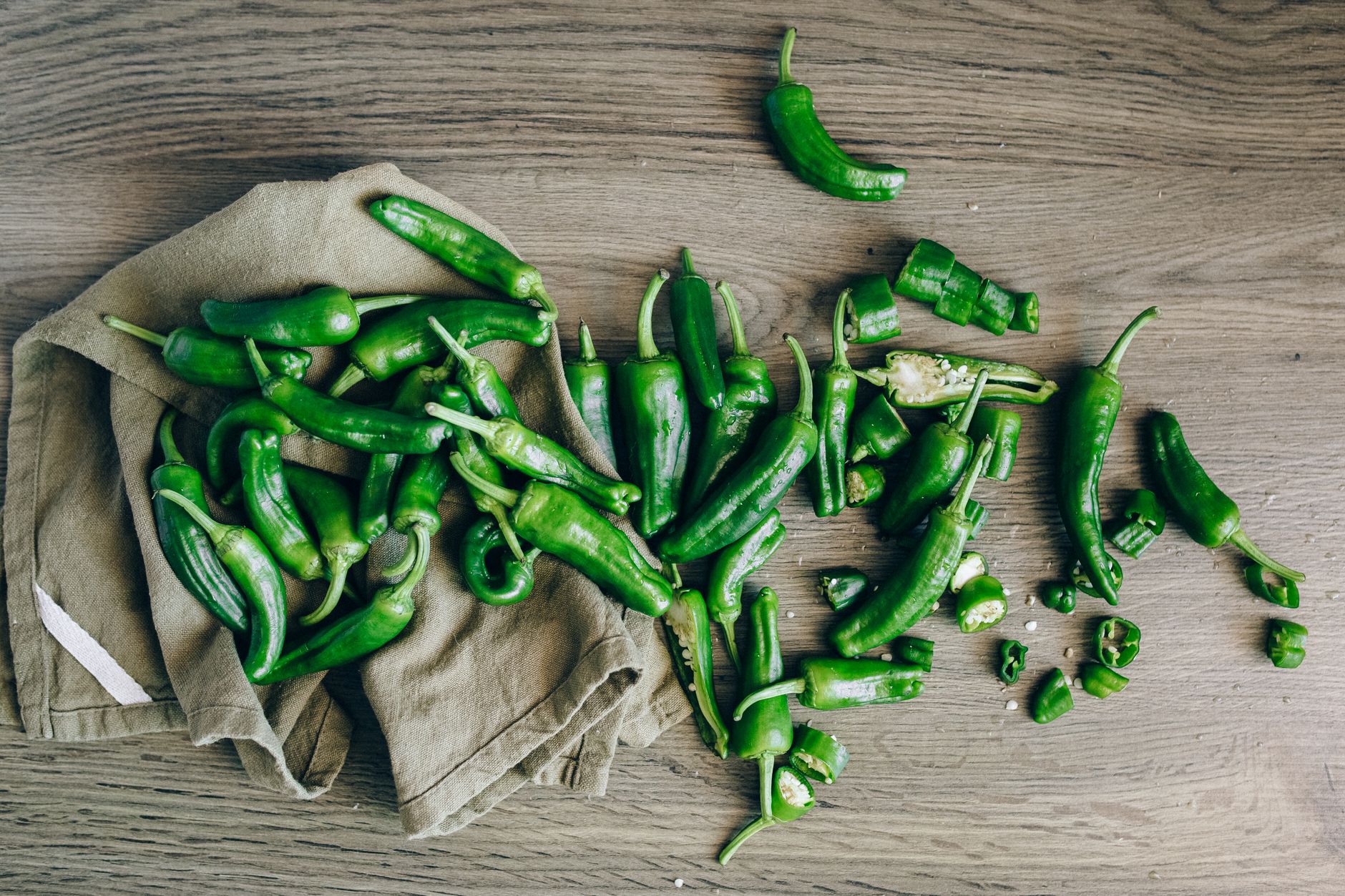
Serrano peppers are a popular ingredient in many dishes, prized for their distinct flavor and moderate heat. But just how spicy are they, and how can they be used effectively in the kitchen? In this article, we will explore the spiciness of serrano peppers, their flavor profile, and various cooking uses to help you add this versatile ingredient to your culinary repertoire.
Understanding the nuances of serrano peppers can elevate your cooking, whether you’re making salsa, soups, or marinades. You’ll learn about their heat levels and how to incorporate them into your meals. Let’s get started!
Is Serrano Pepper Spicy?
Serrano peppers are considered to be moderately spicy. They typically fall between 2,500 and 5,000 Scoville Heat Units (SHU), which makes them hotter than jalapeño peppers but milder than habanero peppers. This range offers a pleasant heat that can enhance the flavor of many dishes without overwhelming them.
Understanding Heat Levels: The Scoville Scale
The Scoville scale measures the heat of peppers in Scoville Heat Units. This scale evaluates the concentration of capsaicin, the compound responsible for the spicy sensation. Here’s a comparison of various peppers based on their SHU:
| Pepper | Scoville Heat Units (SHU) |
|---|---|
| Bell Pepper | 0 |
| Jalapeño Pepper | 2,500 – 8,000 |
| Serrano Pepper | 2,500 – 5,000 |
| Cayenne Pepper | 30,000 – 50,000 |
| Habanero Pepper | 100,000 – 350,000 |
Flavor Profile of Serrano Peppers
Serrano peppers have a fresh, bright flavor that balances their heat with a slight sweetness. They are typically green, though they can also ripen to red, orange, or yellow. The flavor is more herbal than sweet, which makes serrano peppers an excellent choice for adding depth to salsas, sauces, and dressings.
Cooking and Using Serrano Peppers
Serrano peppers can be used in a variety of culinary applications. Here are several ways to incorporate them into your cooking:
Salsas and Sauces
One of the most common uses for serrano peppers is in salsas. Their heat complements the acidity of tomatoes or citrus, providing a balanced flavor. Here’s a simple recipe for a serrano salsa:
- 3 ripe tomatoes, chopped
- 1 serrano pepper, finely chopped
- 1/4 cup red onion, finely chopped
- 2 tablespoons fresh cilantro, chopped
- Juice of 1 lime
- Salt to taste
Combine all ingredients in a bowl and let sit for at least 30 minutes for the flavors to meld. This salsa is perfect for tacos, chips, or grilled meats.
Soups and Stews
Add diced serrano peppers to soups and stews for a kick of heat. They pair well with bean soups, chicken stock, and vegetable broths. Here’s how to do it:
- Start by sautéing diced onions and garlic in a pot until translucent.
- Add chopped serrano peppers and cook for an additional few minutes.
- Pour in your choice of broth and add other ingredients like beans or vegetables.
- Simmer until everything is cooked through, and serve hot.
Marinades and Dressings
Incorporating serrano peppers into marinades or dressings can enhance the flavor of meats and salads. For a quick marinade:
- 1/4 cup olive oil
- 1 serrano pepper, minced
- 2 tablespoons vinegar or lime juice
- 1 teaspoon honey
- Salt and pepper to taste
Combine all ingredients and use to marinate chicken or seafood for at least 30 minutes before grilling.
Roasting or Grilling
Roasting or grilling serrano peppers intensifies their flavor and reduces their heat slightly, making them a great addition to various dishes. To roast:
- Preheat your oven to 450°F (230°C).
- Toss the whole serrano peppers with a little olive oil and salt.
- Spread them on a baking sheet and roast for 10-15 minutes until blistered and charred.
- Let them cool, peel off the skin if desired, and use in salads, pasta, or wraps.
Storage Tips for Serrano Peppers
Fresh serrano peppers can be stored in the refrigerator for about one week when unwashed in a paper bag. For longer storage, consider freezing them:
- Wash and dry the peppers.
- Slice or leave them whole, depending on preference.
- Place them in a freezer-safe bag or container and store for up to six months.
Serrano Peppers vs. Other Peppers
When deciding between different types of peppers, it is essential to consider heat levels and flavor profiles. Here’s a quick comparison of serrano peppers with some common alternatives:
| Pepper | Heat Level (SHU) | Flavor Profile |
|---|---|---|
| Serrano | 2,500 – 5,000 | Bright, herbaceous |
| Jalapeño | 2,500 – 8,000 | Fruity, slightly grassy |
| Poblano | 1,000 – 2,000 | Rich, earthy |
| Habanero | 100,000 – 350,000 | Fruity, intense |
When substituting serrano peppers in recipes, consider the dish’s desired heat level and overall flavor. For a similar heat without the spiciness, poblano peppers are a great alternative, whereas jalapeños can be used if more heat is welcomed.
Common Mistakes When Using Serrano Peppers
While working with serrano peppers can greatly enhance a meal, some common pitfalls can minimize their impact. Here are a few to keep in mind:
- Not removing the seeds: The seeds and the white pith contain much of the pepper’s heat. If you want to reduce spiciness, remove these parts.
- Using too many: With serrano peppers providing moderate heat, be cautious about the quantity. Start small and adjust according to taste.
- Cooking too long: Overcooking can diminish the fresh flavor of serrano peppers. Adding them towards the end of cooking helps preserve their bright taste.
Cooking with Serrano Peppers: Practical Tips
To make the most of serrano peppers in your cooking, consider the following tips:
- Wear gloves when handling serrano peppers to prevent skin irritation from capsaicin residue.
- Pair with dairy, such as yogurt or sour cream, to balance the heat when using them in dishes.
- Experiment with dried serrano peppers; they can offer a different flavor profile and heat intensity.
- Don’t hesitate to mix serrano peppers with other fresh herbs and spices, as they enhance the pepper’s natural flavors.
Conclusion
Serrano peppers are a fantastic option for adding flavor and heat to your cooking. Their moderate spice level, fresh taste, and versatility make them ideal for a variety of dishes, from salsas to soups. Understanding the characteristics of serrano peppers will empower you to make better choices in the kitchen.
Consider exploring practical uses for your fresh serrano peppers in your next culinary venture. If you’re interested in preserving the flavor of chilies, check out how to freeze chili or learn more about cumin spice levels to broaden your spice knowledge.