
Asparagus is a versatile, nutritious vegetable that can enhance a variety of dishes. However, knowing how to store it properly is crucial for maintaining its freshness. In this article, we will explore how long fresh asparagus lasts in the fridge, and provide practical tips for storage, preparation, and usage of this delightful green.
Whether you’re a seasoned chef or a novice cook, understanding the lifespan of fresh asparagus can help you reduce waste and make the most of your groceries. You can enjoy its unique flavor and health benefits while ensuring it remains in optimal condition before cooking or serving.
How Long Does Fresh Asparagus Last in the Fridge?
Fresh asparagus typically lasts about 3 to 5 days in the fridge when stored properly. However, several factors can affect its shelf life, including how fresh the asparagus was when you purchased it, your fridge’s temperature, and the storage method. Proper handling and storage techniques can extend the lifespan of this delicate vegetable.
Understanding Fresh Asparagus
Asparagus is a seasonal vegetable that comes in various types, including green, white, and purple. The most common type found in grocery stores is green asparagus, which has a tender texture and a slightly sweet, earthy flavor. Fresh asparagus is an excellent source of vitamins A, C, E, and K, and it also provides dietary fiber and antioxidants.
Signs of Fresh Asparagus
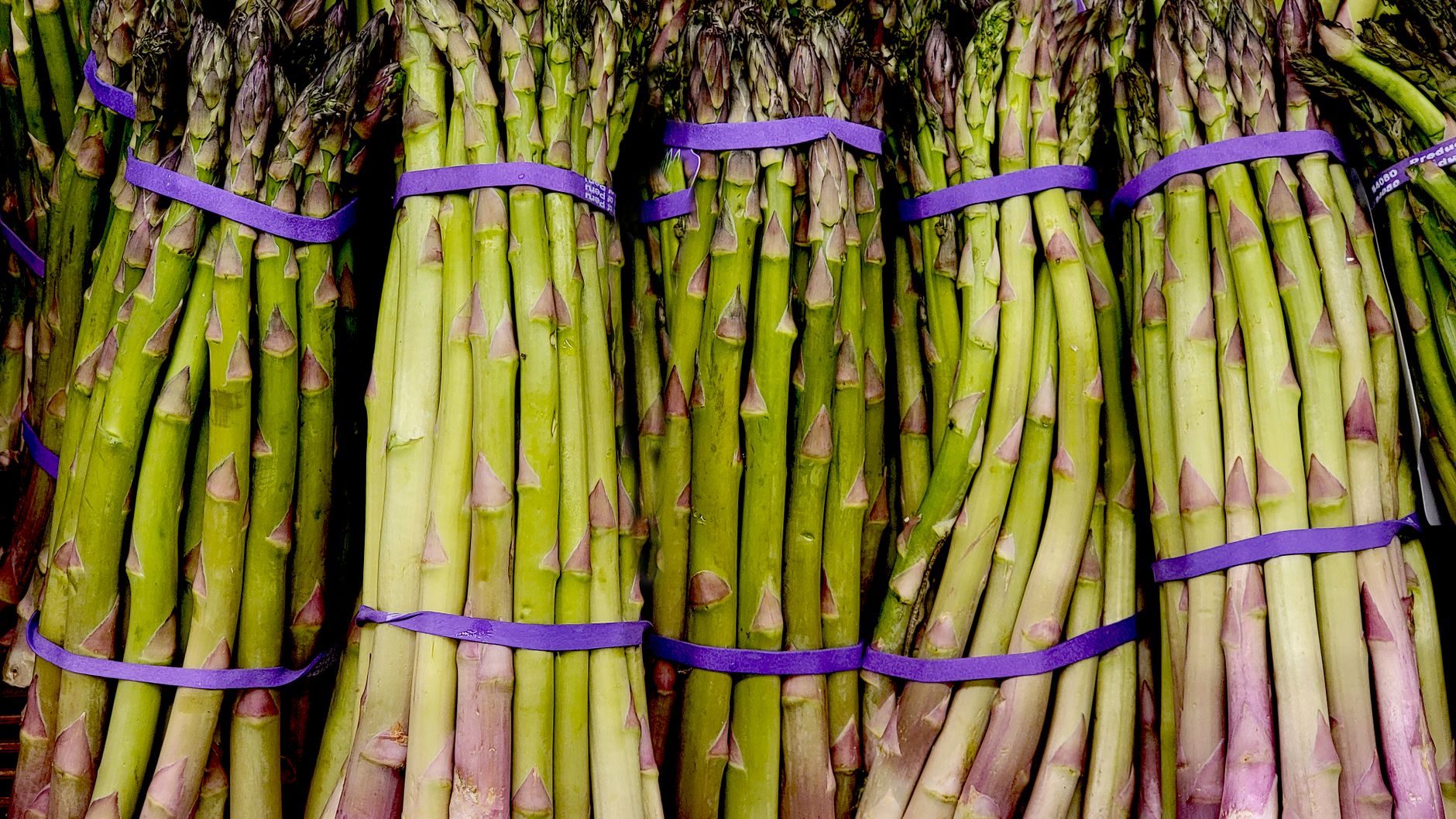
To enjoy asparagus at its best, it’s essential to recognize what fresh asparagus looks like. Here are some characteristics of fresh asparagus:
- The stalks should be firm and straight, not limp or wrinkled.
- The tips should be tightly closed and not mushy or slimy.
- The color should be vibrant, ranging from deep green to purple, depending on the variety.
Proper Storage Techniques for Fresh Asparagus
To maximize the freshness and longevity of asparagus, proper storage is necessary. Here are some effective techniques:
The Stand-Up Method
- Rinse the asparagus under cool water to remove any dirt or sand.
- Trim the bottom ends of the stalks about one inch to help them absorb water.
- Place the asparagus upright in a jar or glass with about an inch of water at the bottom.
- Cover the tops loosely with a plastic bag to maintain humidity while allowing for airflow.
- Store the jar in the fridge; this method can help keep asparagus fresh for up to a week.
The Damp Paper Towel Method
- Rinse the asparagus and trim the ends.
- Moisten a paper towel and wrap it around the base of the stalks.
- Place the wrapped asparagus in a plastic bag, sealing it tightly to retain moisture.
- Finally, store the package in the fridge. This method can last around 3 to 5 days.
How to Prepare Asparagus for Cooking
Before cooking asparagus, it’s essential to prepare it correctly. Here’s how:
- Start by rinsing the asparagus under cold water to remove any dirt or sandy residue.
- Inspect the stalks for any tough or woody ends, usually near the bottom. You can snap off the ends by bending the stalk and allowing it to break naturally, or you can trim them with a knife.
- After preparation, asparagus can be cooked in several ways: steamed, boiled, roasted, or grilled.
Cooking Methods for Asparagus
Asparagus can be prepared in various ways, each providing a different flavor profile and texture. Here are some popular cooking methods:
Steaming
Steaming asparagus preserves its vibrant color and nutrients. Simply place trimmed asparagus in a steamer basket over boiling water, cover, and steam for about 3 to 5 minutes until tender but still crisp.
Boiling
Boiling asparagus is another quick method. Bring a pot of salted water to a boil, add the asparagus, and cook for 2 to 4 minutes. Drain promptly and plunge the stalks into an ice bath to stop the cooking process and maintain their bright color.
Roasting
Roasting enhances the natural sweetness of asparagus. Toss the trimmed stalks with olive oil, salt, and pepper, then spread them on a baking sheet. Roast in a preheated oven at 425°F (220°C) for about 15 minutes, turning halfway through, until they are tender and slightly browned.
Grilling
Grilling asparagus adds a smoky flavor. Preheat the grill to medium-high heat, coat the asparagus with olive oil, and grill for about 5 to 7 minutes, turning occasionally until they are tender with grill marks.
Common Mistakes to Avoid When Storing Asparagus
To ensure your asparagus stays fresh for as long as possible, here are some pitfalls to avoid:
- Storing asparagus unwashed and in a sealed plastic bag, as this can create excess moisture and promote decay.
- Removing the rubber bands or ties from the stalks too soon; they help maintain a firm structure.
- Ignoring the temperature of your fridge. Asparagus thrives best at temperatures of 32°F to 36°F (0°C – 2°C).
Freezing Asparagus
If you find yourself with an abundance of fresh asparagus, consider freezing it for future use. Freezing is a practical way to extend its shelf life beyond the refrigerator without sacrificing its flavor and nutrients. Here’s how:
- Wash and trim the asparagus as previously instructed.
- Blanch the asparagus by boiling it for 2 to 4 minutes before quickly plunging it into an ice bath.
- Once cooled, drain and pat dry, then spread the stalks in a single layer on a baking sheet and freeze until solid.
- Transfer the frozen asparagus to freezer-safe bags, label with the date, and store for up to 8 months.
Using Frozen Asparagus
Frozen asparagus can be easily incorporated into various dishes like soups, casseroles, stir-fries, or even as a side dish. Keep in mind that frozen asparagus may have a softer texture than fresh once cooked.
How to Tell If Asparagus Has Gone Bad
Being able to identify spoiled asparagus is crucial to food safety. Here are some signs that your asparagus has gone bad:
- The stalks are limp or slimy to the touch.
- The tips are open or mushy, and not firm.
- There is an off or unpleasant smell.
If you notice any of these signs, it’s best to discard the asparagus to avoid foodborne illness.
Cooking with Asparagus: Recipe Ideas
Asparagus can be a delightful addition to many meals. Here are a few ideas for incorporating asparagus into your cooking:
- Asparagus Risotto: Combine sautéed asparagus with creamy Arborio rice, parmesan cheese, and broth for a rich and flavorful dish.
- Asparagus Salad: Toss lightly blanched asparagus with lemon juice, olive oil, cherry tomatoes, and feta cheese for a refreshing salad.
- Asparagus Soup: Blend cooked asparagus with vegetable broth, cream, and herbs for a smooth, velvety soup.
Conclusion
Understanding how long fresh asparagus lasts in the fridge, combined with proper storage techniques, can help you enjoy this nutritious vegetable at its best. By following the guidelines provided, you can minimize waste and enhance your culinary experiences with asparagus.
For more information on asparagus cooking times, visit the guide on boiling asparagus. If you’re curious about eating it raw, check the article on raw asparagus for guidelines and insights.