
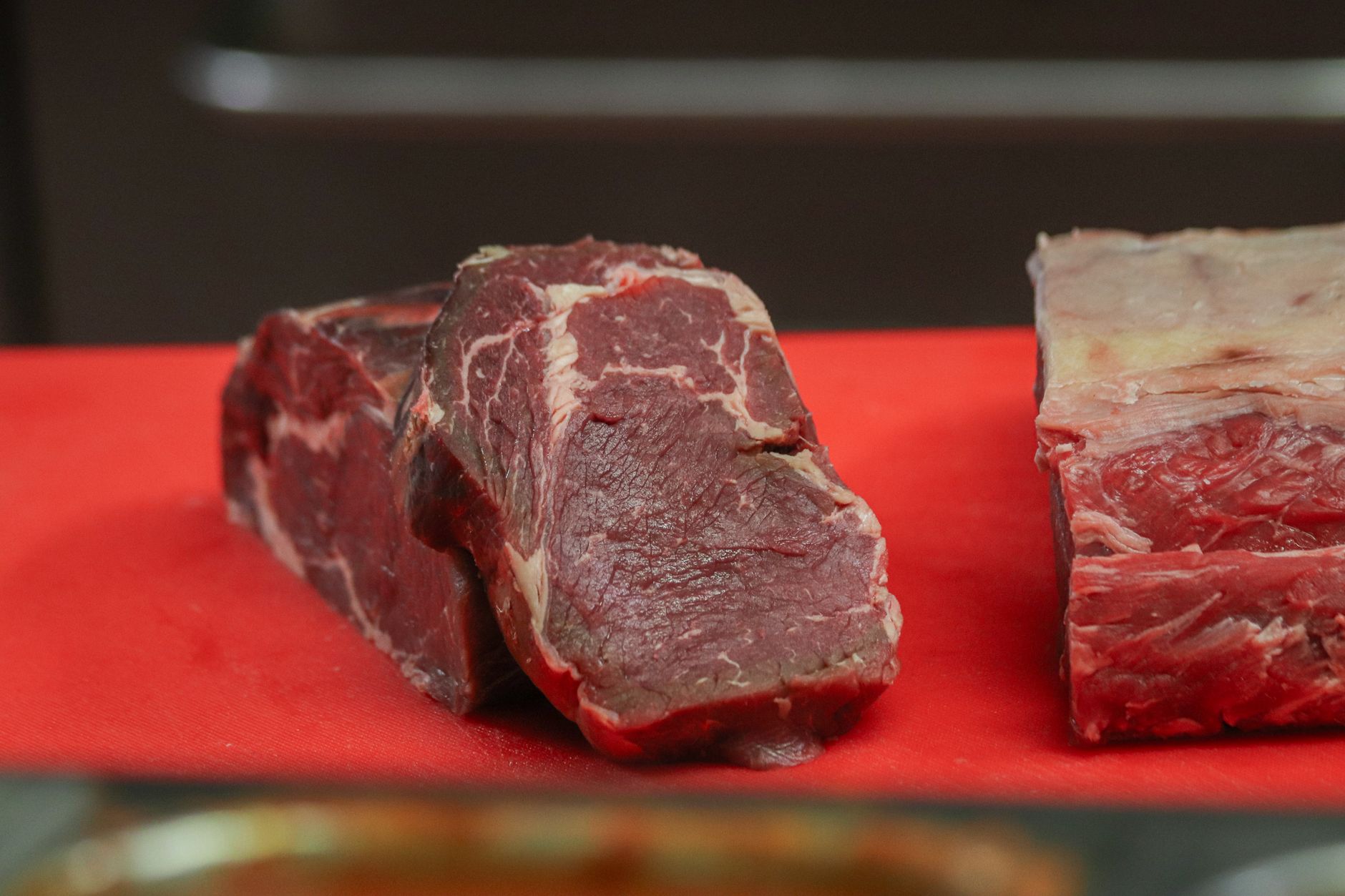
Mcdonald’s is one of the most recognizable fast-food chains worldwide, famous for its hamburgers and fries. At the heart of its offerings is beef, a critical ingredient in its signature products, such as the Big Mac and Quarter Pounder. Understanding where McDonald’s sources its beef provides insight into its supply chain and commitment to quality.
This article delves into the origin of McDonald’s beef, exploring the various suppliers, quality standards, and practices that ensure the company serves safe and tasty food to millions globally.
Where Does McDonald’s Get Their Beef From?
McDonald’s sources its beef from several suppliers located in different countries to ensure a reliable and consistent supply. Key suppliers include those from the United States, Canada, Australia, and New Zealand who adhere to stringent safety and quality standards. This strategy allows McDonald’s to maintain high quality while supporting sustainable farming practices.
The Sourcing Strategy Behind McDonald’s Beef
McDonald’s employs a robust global sourcing strategy to procure its beef. This approach focuses on getting quality beef while considering sustainability and ethical farming practices. The company’s beef sourcing strategy is multifaceted and involves the following:
- Multiple Suppliers: McDonald’s partners with various suppliers around the globe to guarantee a steady supply of beef. This diversification helps reduce risks related to supply chain disruptions.
- Local Partnerships: In addition to international suppliers, McDonald’s often collaborates with local beef producers to support local economies and communities.
- Quality Assurance: All suppliers must meet McDonald’s rigorous standards for quality, safety, and nutrition. Regular audits ensure compliance with these standards.
- Animal Welfare Standards: McDonald’s is committed to ethical sourcing, ensuring that its suppliers adhere to best practices in animal welfare. This includes proper housing, feeding, and humane treatment of cattle.
Beef Quality Standards
To maintain its reputation for quality, McDonald’s has set strict quality benchmarks for sourcing beef. Here is an overview of some of the key quality standards:
- USDA Certification: In the United States, McDonald’s beef comes from cattle that have been inspected and certified by the United States Department of Agriculture (USDA), ensuring that they meet specific health and safety standards.
- Grass-Fed and Grain-Finished: McDonald’s sources its beef from cattle that are primarily grass-fed during their early life and then grain-finished, providing the desired flavor and texture for its burgers.
- No Antibiotics or Hormones: The company has committed to sourcing beef from cattle raised without unnecessary antibiotics or growth hormones, prioritizing consumer health and safety.
Regional Sourcing of McDonald’s Beef
McDonald’s beef sourcing is tailored according to regional practices, dietary preferences, and agricultural policies.
United States
In the U.S., McDonald’s beef primarily comes from established ranchers and processors focusing on high-quality Angus beef. The company emphasizes traceability from farm to table, guaranteeing that all beef used in its products originates from reliable sources. This attention to detail helps uphold their promise of quality to customers.
Canada
McDonald’s Canada sources its beef from Canadian ranchers who adhere to strict food safety regulations. The country’s vast agricultural landscape allows for diverse cattle farming practices, enabling retailers to access premium beef while supporting local farmers.
Australia and New Zealand
McDonald’s also sources beef from Australia and New Zealand, both known for their top-notch beef production. These countries give McDonald’s access to cattle raised in a free-range environment, often meeting rigorous international beef safety standards.
Europe
In Europe, McDonald’s beef sourcing differs by country, respecting local farming practices and regulations. The company ensures that all beef meets EU food safety regulations while focusing on quality and sustainability.
Sustainability Practices in Beef Sourcing
Sustainability is a core aspect of McDonald’s sourcing strategy. The company began its journey toward sustainability decades ago and continues to refine its practices. Here are some key sustainability initiatives in their beef sourcing:
- Reducing Greenhouse Gas Emissions: McDonald’s works with suppliers to implement practices aimed at reducing methane emissions from cattle farming, contributing to worldwide efforts against climate change.
- Water Conservation: Programs have been launched to promote responsible water use in cattle ranching, which includes efficient irrigation practices and careful management of resources.
- Promoting Biodiversity: The company’s sourcing policies support ranching practices that encourage biodiversity and health in ecosystems, ensuring that farms do not excessively drain local environments.
Impacts of Beef Sourcing on McDonald’s Menu
The sourcing of beef directly influences McDonald’s menu offerings and the overall dining experience. Here are some ways this sourcing impacts their products:
- Consistent Quality: By sourcing beef that meets strict quality assurance standards, McDonald’s can offer products with a reliable flavor and texture that customers expect.
- New Product Development: Access to various beef types and cuts allows McDonald’s to innovate its menu regularly, introducing new products while adhering to high standards.
- Price Stability: Sourcing from multiple suppliers helps stabilize prices and reduce volatility, ensuring cost-effective offerings for customers.
Common Misconceptions About McDonald’s Beef
McDonald’s beef sourcing often leads to misconceptions among consumers. Understanding these can help clarify public perception:
- All Beef is Low Quality: Contrary to the belief that fast food beef is of low quality, McDonald’s sources beef from reputable suppliers who meet high standards.
- Use of Fillers or Additives: McDonald’s beef patties contain no fillers. The patties are made with 100% beef, ensuring a straightforward ingredient list.
- Unethical Treatment of Animals: McDonald’s commitment to animal welfare means they require suppliers to meet specific humane treatment standards. This includes audits and adherence to established practices.
Beef Quality and Food Safety Regulations
The safety of beef is paramount, not only for the health of consumers but also to uphold the integrity of McDonald’s brand. Each supplier must comply with the following regulations:
- Food Safety Initiatives: Compliance with food safety management systems ensures the beef is safe for consumption. This includes standards from the USDA and WHO.
- Annual Audits: Regular audits are conducted to verify adherence to food quality and safety standards throughout the supply chain.
- Traceability Programs: These programs enable McDonald’s to track the origin of its beef, allowing prompt responses to any potential safety issues.
Beef in a Changing Culinary Landscape
The growing demand for sustainable and ethically raised beef has prompted McDonald’s to adapt its sourcing and menu. The company recognizes shifting consumer preferences, including a growing interest in plant-based options and a focus on health-conscious eating. McDonald’s has responded to this trend in the following ways:
- Introducing Plant-Based Options: The launch of the McPlant burger represents McDonald’s response to the increasing demand for vegetarian and vegan alternatives.
- Healthier Cooking Practices: McDonald’s continuously reviews its cooking methods and ingredients, ensuring that customers have healthier options.
- Transparency Initiatives: Offering consumers information about food sourcing and quality helps build trust and encourages informed choices.
Conclusion
Understanding where McDonald’s sources its beef reveals a complex and carefully managed supply chain. The company’s dedication to quality, safety, and sustainability illustrates its commitment to providing consumers with safe and tasty food. As demand for beef continues to shift, McDonald’s will likely adapt its practices while remaining dedicated to ethical sourcing and high standards.
For further reading, consider exploring topics such as how long ground beef is good for in the fridge or a delicious Mongolian ground beef recipe. Understanding these aspects can enhance your culinary experience and knowledge.