
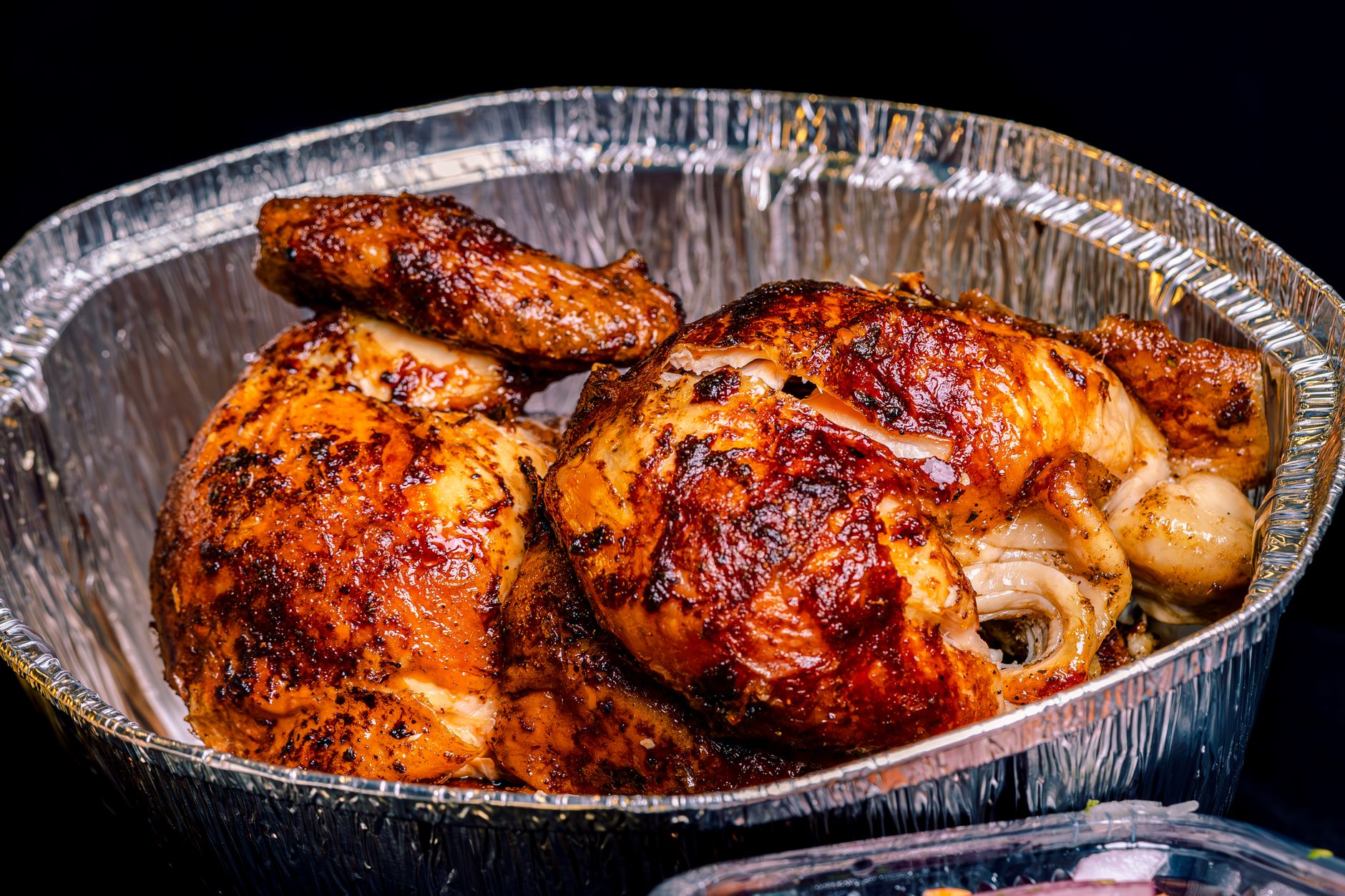
When it comes to baking a turkey, many home cooks wonder whether they should cover the bird or not. The answer isn’t one-size-fits-all; it largely depends on the desired outcome for your turkey, including its flavor, moisture, and appearance.
This guide will explore the nuances of covering a turkey during baking, helping you decide the best method for your situation. Prepare to learn valuable tips that will elevate your turkey game as we dive into cooking techniques, common mistakes, and storage advice.
Do You Cover a Turkey When Baking?
Yes, you can cover a turkey while baking it, but whether you should or not depends on a few factors, including the cooking method and the desired end results. Covering the turkey can help retain moisture, while leaving it uncovered encourages browning and crisp skin.
Understanding Turkey Baking Basics
Baking a turkey requires an understanding of key factors, such as turkey preparation, oven settings, and cooking duration. Mastering these elements will set you up for a successfully cooked turkey, whether you decide to cover it or not.
Preparation for Baking a Turkey
- Thawing: Ensure your turkey is fully thawed if it was frozen. This generally takes about 24 hours for every 4-5 pounds in the refrigerator.
- Brining: Consider brining your turkey either through wet or dry methods. Brining helps in infusing flavor and moisture.
- Seasoning: Use a variety of spices and herbs to season the turkey both on the surface and inside the cavity.
Kitchen Equipment You’ll Need
- Roasting pan
- Meat thermometer
- Aluminum foil (if covering)
- Basting brush (optional)
- Carving knife
Cooking Techniques: To Cover or Not to Cover
Benefits of Covering a Turkey
When you cover a turkey during baking, particularly during the initial cooking time, several advantages come into play:
- Moisture Retention: Covering with foil helps keep the turkey moist by trapping steam, reducing the chances of drying out.
- Even Cooking: A covered bird may cook more evenly, especially if it’s a larger turkey.
- Flavor Infusion: Covering allows flavors from herbs and spices to penetrate the meat more effectively.
Benefits of Leaving a Turkey Uncovered
On the other hand, roasting a turkey uncovered also has its perks:
- Crispy Skin: Leaving the turkey uncovered promotes browning, resulting in a deliciously crispy skin.
- Beautiful Presentation: An uncovered turkey will have a visually appealing, golden-brown color, enhancing presentation.
- Desirable Roast Flavor: Roasting uncovered allows the surface to develop a richer flavor due to direct exposure to heat.
Steps for Baking a Turkey
Here’s a step-by-step method for baking a turkey, including both covered and uncovered techniques:
- Preheat Your Oven: Start by preheating your oven to 325°F (163°C).
- Prepare the Turkey: Remove the giblets and neck from the cavity and pat the turkey dry with paper towels. Season it well with salt, pepper, and herbs.
- Cover the Turkey (if desired): For moisture retention, cover the turkey loosely with aluminum foil. Make sure it’s not tightly sealed to allow some steam to escape.
- First Cooking Phase: Roast the covered turkey in the preheated oven for about 2/3 of the total cooking time.
- Baste (optional): If desired, use a basting brush to coat the turkey with its drippings for enhanced flavor.
- Remove Cover: About 1 hour before the estimated finish time, take off the foil to allow the skin to crisp up. Adjust the temperature to 375°F (190°C) if you want a faster golden-brown finish.
- Check Internal Temperature: Use a meat thermometer to ensure the thickest part of the thigh and breast registers at least 165°F (74°C).
- Rest: Once done, let the turkey rest for 20-30 minutes before carving. This helps retain juices.
Common Cooking Mistakes
Here are some frequent errors to watch for:
- Overcooking: Overbaking can lead to a dry turkey. Use a thermometer to avoid this mistake.
- Neglecting to Rest: Carving too soon can cause the juices to run out, making your turkey less flavorful and moist.
- Not Adjusting Cooking Time: Cooking times vary based on whether the turkey is covered or uncovered, so adjust accordingly.
Turkey Flavor Enhancements
Adding flavor to your turkey can transform a standard dish into something remarkable. Consider these enhancement options:
- Herb Butter: Mix softened butter with fresh herbs and rub it under the skin for maximum flavor.
- Stuffing: Fill the cavity with aromatics like onion, apple, and herbs to infuse flavor.
- Injection Marinades: Consider using a marinade injector to infuse flavors deep into the meat. A commonly used turkey injection recipe is available online to guide you through this technique.
Storage and Reheating Guidelines
Leftovers can be just as delicious as the freshly baked turkey. Here are some tips for storing and reheating properly:
- Storage: Store leftover turkey in an airtight container in the refrigerator for up to 4 days. For longer preservation, freeze it.
- Reheating: To reheat, place leftover turkey in a covered dish with a bit of broth or water and heat in the oven at 350°F (177°C) until warmed through.
Make-Ahead Options
Preparing your turkey in advance can alleviate stress on serving day. Here are several tips for turkey preparation ahead of time:
- Brining: You can brine your turkey a day or two in advance.
- Seasoning and Stuffing: Season and stuff your turkey a day before and keep it refrigerated until baking time.
- Prepare Turkey Gravy: Make gravy using drippings ahead of time and store it in the refrigerator.
Serving Suggestions
Once your turkey is beautifully roasted and rested, consider these creative serving ideas:
- Slicing Technique: To carve, start with the legs, then move to the breast. Slice against the grain for tender pieces.
- Pairings: Serve with classic sides such as mashed potatoes, stuffing, and cranberry sauce.
- Presentation: Plate the slices attractively, and consider using herbs or citrus slices for garnish.
Conclusion
Knowing whether to cover a turkey while baking can make a significant difference in the final product. Covering helps retain moisture and ensure even cooking, while not covering offers crispy skin and beautiful browning. Consider your desired outcome and adjust your technique accordingly.
For more tips on preparing flavorful turkey, explore our turkey brine recipe for smoking or learn how to add flavor with a turkey injection recipe.