
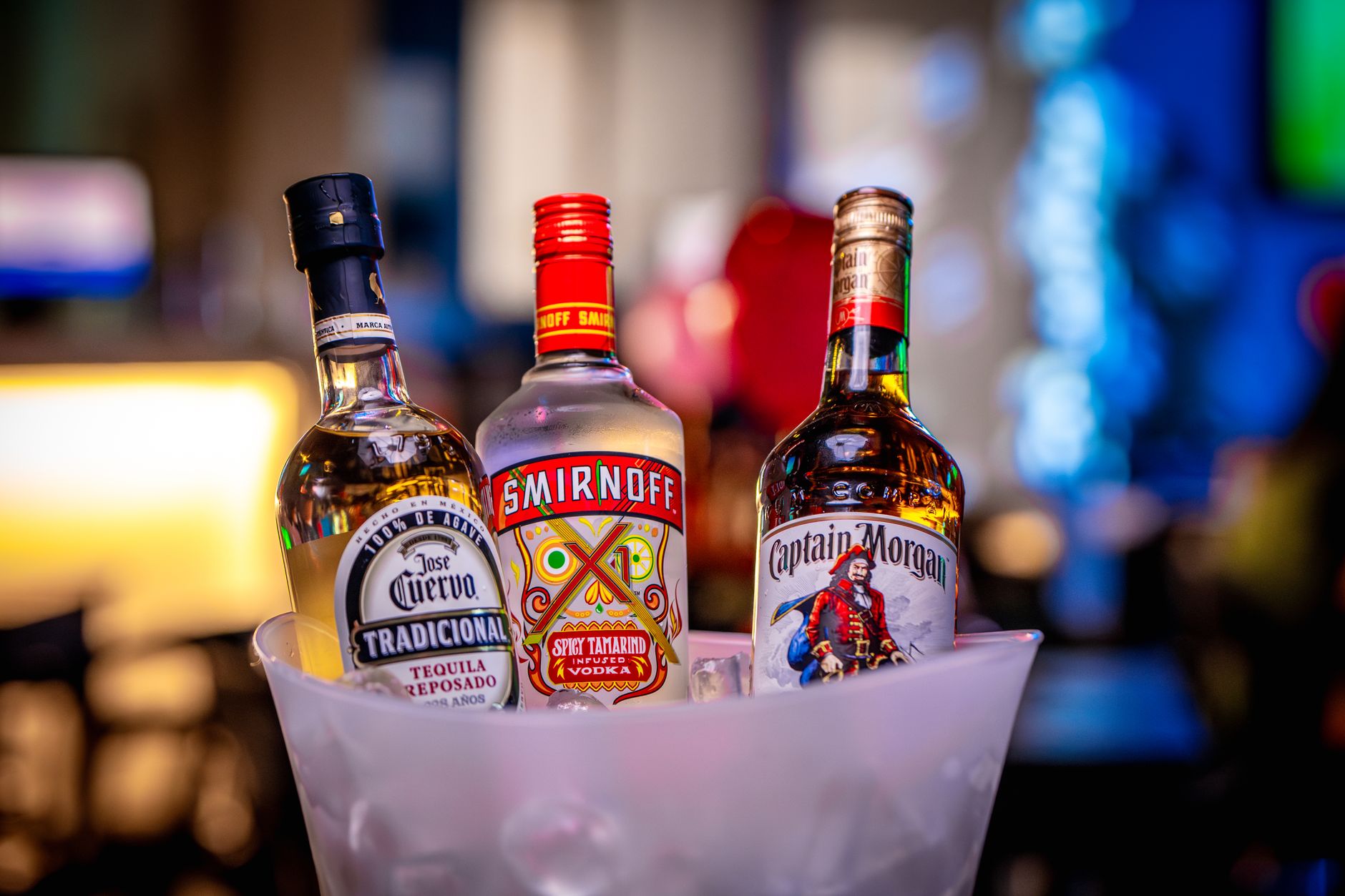
When it comes to spirits, vodka is often regarded as a versatile option among cocktail enthusiasts and casual drinkers alike. One common question that arises is whether vodka contains sugar. Understanding the sugar content in vodka can help guide choices, especially for those who are health-conscious or following specific dietary regimens.
This article dives into the nature of vodka, investigating its ingredients, production process, and sugar content, while also exploring how this affects its culinary uses, cocktail applications, and the overall drinking experience.
Does Vodka Have Sugar in It?
Vodka typically does not contain sugar, as it is produced through the fermentation and distillation of grains, potatoes, or even fruits, with added flavorings in some cases. The distillation process removes most of the sugars, resulting in a spirit that is usually free from sugar content.
Understanding the Production of Vodka
Vodka production revolves around a straightforward process involving fermentation, distillation, and filtration. Here’s an overview of each step:
1. Fermentation
The process begins with the fermentation of carbohydrates, which can come from a variety of sources including grains (like wheat or corn), potatoes, or fruits. Yeast is added to these carbohydrates, converting sugars into alcohol. The fermentation stage is where sugars originally present are transformed; however, not all will remain in the final product.
2. Distillation
Distillation follows fermentation and is crucial for achieving the high alcohol content characteristic of vodka. The fermented mixture, known as mash, is heated. Because alcohol has a lower boiling point than water, it evaporates first. This vapor is then collected and cooled to form liquid again. Distillation typically occurs multiple times, further purifying the alcohol and eliminating any residual sugars and impurities.
3. Filtration
After distillation, vodka often undergoes filtration. Filtration may involve passing the vodka through charcoal or other materials designed to enhance purity. This step also helps remove any remaining flavor compounds, making the vodka more neutral. The result is a clear spirit that packs a punch in terms of alcohol but lacks the sweetness one might find in other beverages.
Types of Vodka and Their Sugar Content
While standard vodka is generally sugar-free, some flavored varieties may introduce sugar content. Here are a few common categories to consider:
1. Plain Vodka
Classic unflavored vodka, often referred to as pure or regular vodka, contains no sugar. This vodka is sourced from grains or starches and is distilled to achieve a neutral flavor profile. Brands such as Grey Goose or Tito’s Handmade Vodka exemplify this category.
2. Flavored Vodka
Flavored vodkas, which have gained immense popularity, can contain added sugars. These varieties may include flavors such as vanilla, raspberry, or even spicy jalapeño. Depending on the brand and specific flavoring method, sugar can vary significantly. It is always wise to check the nutrition label or the manufacturer’s website for precise sugar content per serving.
3. Specialty Vodka
Some premium vodkas may incorporate additives to enhance complexity. Ingredients like fruits, herbs, and spices can yield flavorful vodkas. Certain brands might include sweeteners in their processes, so researching individual products is important for accuracy.
Why Does Sugar Matter in Vodka?
Whether you’re watching your sugar intake or adhering to a specific diet, understanding vodka’s sugar content is key. Notably, here are some reasons sugar levels can impact your choices:
1. Health Considerations
Individuals following low-carb diets, like the ketogenic or Atkins diet, may be particularly mindful of sugar content. Since vodka is a zero-sugar spirit, it can be an acceptable choice for those managing carbohydrate intake. However, clear information on flavored vodkas is essential for anyone tracking their sugar consumption.
2. Flavor and Mixability
Sugar plays a crucial role in balancing flavor. Cocktails with a higher sugar content can taste sweeter and less bitter, which may appeal to some drinkers. On the other hand, doing away with sugar can elevate the profile of more complex mixers or garnishes, making the overall drinking experience a bit more sophisticated.
Common Uses of Vodka in the Kitchen
Beyond cocktails, vodka serves several culinary purposes. Understanding its unique characteristics can open up new flavor possibilities in the kitchen:
1. Cooking and Sauces
Vodka is commonly used in cooking, especially in sauces and marinades. Its neutral taste allows it to blend seamlessly with various flavors without overpowering them. Classic dishes like Penne alla Vodka showcase how the spirit can enhance the overall taste by adding a layer of depth.
2. Baking
Interesting enough, vodka can play a significant role in baking. When added to dough, particularly pie crusts, it helps to create flakiness by inhibiting gluten formation. The alcohol evaporates while baking, leaving behind a tender crust without imparting any sweetness.
3. Infusions
Homemade infusions using vodka are a popular practice among culinary enthusiasts looking to create unique flavors. By steeping fruits, herbs, or spices in vodka, you can create distinctive flavor profiles for cocktails or culinary applications. Just note, depending on the infusion recipe, you may introduce sugar or other sweeteners.
Practical Use of Vodka in Cocktails
Vodka’s versatility in cocktails makes it an essential spirit for mixologists and home bartenders alike. Here are some classic cocktails utilizing vodka that showcase its makeup:
1. Vodka Collins
This refreshing cocktail combines vodka with lemon juice, sugar (or simple syrup), and club soda. The sweetness in this drink typically comes from the added sugar or syrup rather than the vodka itself. For those seeking a sugar-free option, it’s possible to adjust the recipe or omit the added sugar and club soda.
2. Vodka Sour
A variant of a whiskey sour, the vodka sour features vodka, citrus juice, and sugar or syrup for sweetness. Just like the Vodka Collins, you can modify the ingredients for a lower-sugar drink by substituting sugar with a calorie-free sweetener or adjusting the fruit juice ratios.
3. Classic Martini
The quintessential vodka martini serves as a clear representation of vodka’s character. Typically served dry, with little to no vermouth, this cocktail allows the vodka’s characteristics to shine without the addition of sugar. The choice of garnishes can offer an opportunity to enhance flavor without affecting the sugar content.
How to Choose Vodka
When selecting vodka, consider these factors for a satisfying choice:
1. Purpose
Understand your intended use. If you’re making cocktails, opt for mid-range brands that mix well. For sipping straight or in a martini, consider premium offerings known for their smoothness.
2. Ingredients
Look at the base ingredients. Vodkas made from quality grain or potatoes are often preferred for their flavors. Organic or locally sourced options are also growing in popularity.
3. Sugar Content
As previously discussed, always double-check labels for flavored vodkas, especially if you’re watching your sugar intake. Some brands publish detailed nutritional information online for transparency.
Common Mistakes to Avoid with Vodka
As an essential spirit, vodka is frequently used, and certain common mistakes can undermine your drinking or cooking experience:
1. Assuming All Vodkas Are Sugar-Free
Not all vodkas are created equal. Flavored varieties often contain sugar, so check the label to confirm. If maintaining a low-sugar diet, always verify.
2. Overmixing with Sweet Ingredients
While mixing cocktails, be cautious with sweet mixers. Vodka’s neutrality allows for a wide range of flavors but can get lost amid overly sweet additions. Balance is key for a pleasing result.
3. Ignoring Quality
While you might find very inexpensive vodka, consider the quality of the ingredients and distillation processes that went into producing it. A better-quality vodka can enhance your cocktails significantly.
Storage and Shelf Life of Vodka
Vodka is stable and easy to store. Here are recommendations for proper storage:
1. Temperature
Store vodka upright in a cool, dark place, ideally at room temperature or chilled in the freezer. Vodka does not need to be refrigerated, but chilling it can enhance the drinking experience.
2. Shelf Life
Vodka does not spoil due to its high alcohol content. Opened or unopened, it can last indefinitely if stored correctly. However, for optimal taste, consume it within a few years of opening.
Exploring Vodka Beyond Cocktails
Exploring vodka’s many uses can lead to discovering new culinary experiences. Here are a few ideas to expand your repertoire:
1. Craft Your Own Vodka Infusions
Create unique flavors by infusing vodka with fruits, herbs, or spices. Combine your chosen ingredients in a jar, fill with vodka, and let steep for several days. Monitor the process, as flavor intensity increases with time.
2. Use Vodka for Flavor Extraction
You can extract flavors from ingredients like vanilla beans or citrus peels by soaking them in vodka to create concentrated tinctures for cooking or cocktails.
3. Try Vodka in Different Culinary Techniques
Explore its use in marinades, sauces, and even desserts. Vodka can enhance flavors without adding weight, drawing attention to the core ingredients of a dish.
Understanding vodka’s properties can elevate both your drinking and cooking experiences. With its generally sugar-free status, it can fit comfortably into many diets while also offering a canvas for flavor exploration. The next time you reach for a bottle, consider how both its quality and characteristics can enhance your culinary creations.
If you’re looking to experiment with vodka in your cocktail making, try out our Vodka Collins recipe or learn how to make a Vodka Sour recipe for a delightful treat! Explore more cooking tips, ingredient guides, and flavorful recipes to elevate your culinary prowess.