
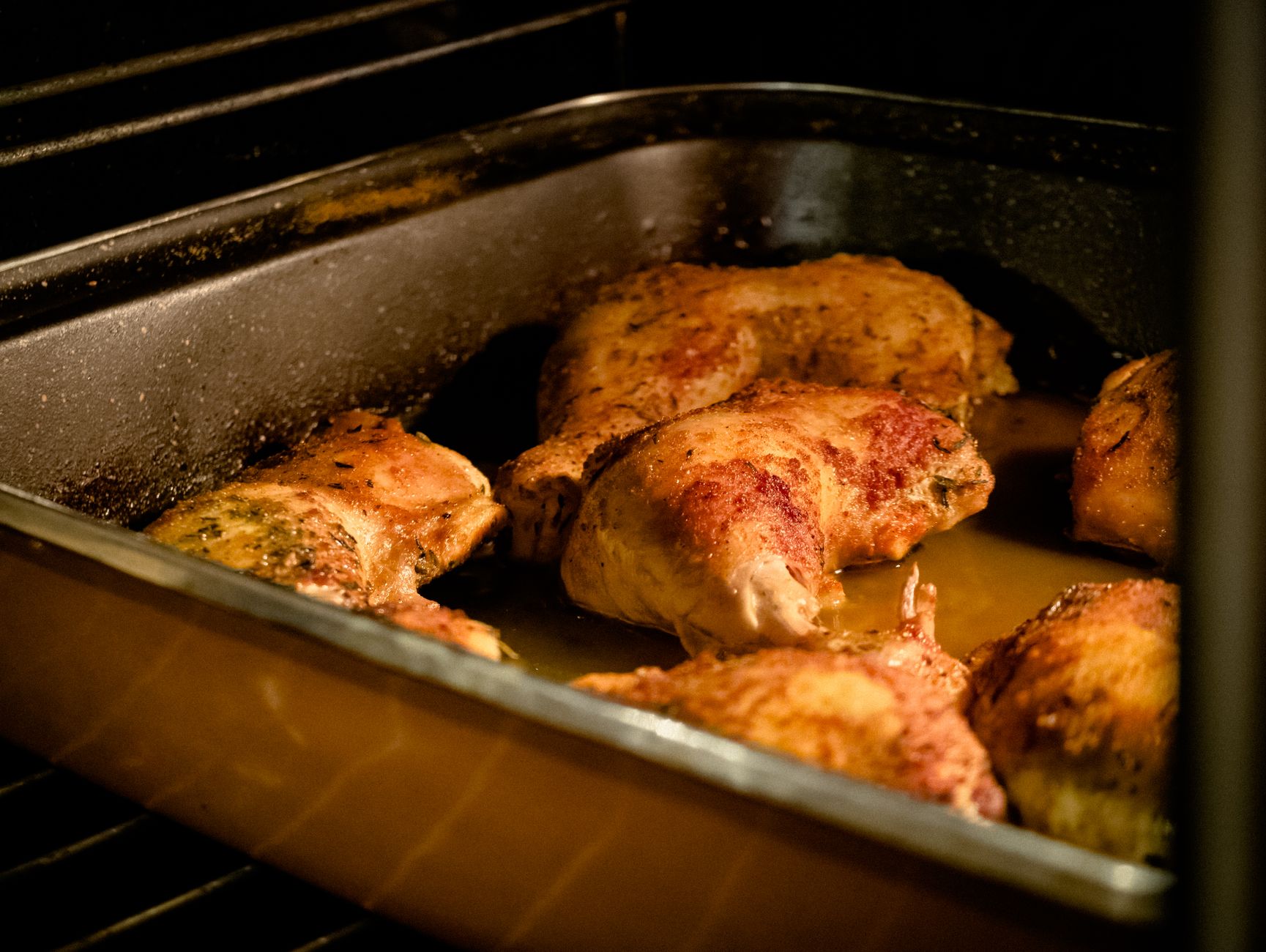
Turkey legs can be a delicious, hearty meal option and are perfect for gatherings or family dinners. With their rich flavor and tender meat, they often become the star of the show. However, many people are unsure how long to cook turkey legs in the oven and at what temperature to achieve the best results.
This article will provide a detailed guide on cooking turkey legs in the oven, covering cooking times, temperatures, methods, and tips to ensure your turkey legs come out juicy and flavorful every time.
How Long Do You Cook Turkey Legs in the Oven?
Cooking turkey legs in the oven generally requires a cooking time of about 2 to 2.5 hours at a temperature of 325°F (163°C). The cooking time can vary based on the size of the turkey legs and whether they are covered or uncovered during baking. Aim for an internal temperature of 165°F (74°C) for safe consumption.
Understanding Turkey Legs
Turkey legs are often sold whole with the skin still intact. They are flavorful due to the higher fat content compared to turkey breast, making them moist and tender when cooked correctly. The leg consists of two main parts: the drumstick and the thigh. Cooking times may vary slightly between these two sections due to their size and thickness.
Preparation Steps Before Cooking
Choosing quality turkey legs and preparing them properly is essential for a tasty outcome. Here are the key steps to follow:
Selecting Your Turkey Legs
- Look for turkey legs that are firm to the touch and have a vibrant, reddish hue.
- Ensure the skin remains intact and doesn’t have any discoloration or off-smells.
- If possible, buy free-range or organic turkey for better flavor and quality.
Thawing Turkey Legs
If your turkey legs are frozen, it’s crucial to thaw them safely. The best method is to move them from the freezer to the refrigerator the day before you plan to cook them. This slow thawing helps maintain the texture and flavor of the meat.
Marinating or Seasoning
Turkey legs benefit from marination, which adds flavor and moisture. Some marinade ideas include:
- A mixture of olive oil, garlic, rosemary, thyme, salt, and pepper.
- A sweet and tangy marinade made of honey, soy sauce, and ginger.
- Traditional dry rubs that contain paprika, garlic powder, onion powder, and black pepper.
Allow the turkey legs to marinate for at least an hour, preferably overnight for deeper flavor absorption.
Cooking Turkey Legs in the Oven: Step-by-Step Guide
Ingredients
- 2-4 turkey legs (approximately 1-1.5 pounds each)
- 1/4 cup olive oil or melted butter
- Salt and pepper, to taste
- Optional: Marinade or dry rub of choice
- Vegetables for roasting (carrots, potatoes, onions) – optional
Essential Equipment
- Roasting pan or baking dish
- Aluminum foil
- Oven
- Meat thermometer
- Whisk (if preparing a marinade)
Method
- Preheat your oven to 325°F (163°C).
- Remove turkey legs from the refrigerator and pat them dry with paper towels. This helps the skin crisp up during cooking.
- If using a marinade, whisk together your ingredients in a bowl and then coat the turkey legs evenly. If opting for a dry rub, sprinkle it generously on all sides of the legs.
- In a roasting pan or baking dish, add the turkey legs. Drizzle them with olive oil or melted butter, ensuring they are well-coated. Season with salt and pepper to taste.
- If desired, add chopped vegetables to the pan around the turkey legs for a one-pan meal option.
- Cover the roasting pan tightly with aluminum foil. This helps retain moisture during cooking.
- Place the pan in the preheated oven and bake for approximately 1.5 to 2 hours.
- About 30 minutes before the expected cooking time ends, remove the foil. This will help the skin develop a crispy texture.
- Use a meat thermometer to check the internal temperature of the thickest part of the turkey leg, avoiding the bone. It should read 165°F (74°C) when the turkey is fully cooked.
- Once done, remove the turkey legs from the oven and allow them to rest for 10-15 minutes before serving. This resting period helps the juices redistribute, keeping the meat juicy.
Common Mistakes When Cooking Turkey Legs
Cooking turkey legs can be simple, but there are a few common mistakes to avoid to ensure the best results:
- Not using a meat thermometer: Relying solely on cooking time can lead to undercooking or overcooking. Always check the internal temperature for precision.
- Skipping the resting period: Cutting into the meat too soon can result in dry turkey. Allow the legs to rest after cooking for optimal juiciness.
- Overcrowding the roasting pan: If overcrowded, turkey legs may steam instead of roast, preventing crispy skin. Ensure there’s enough space for air circulation.
- Ignoring the marination time: For full flavor, turkey legs should be marinated adequately. If time permits, marinate overnight.
Serving Suggestions
Turkey legs are versatile and can pair well with various sides. Here are some ideas for delicious accompaniments:
- Mashed potatoes with gravy
- Roasted seasonal vegetables
- Stuffing or dressing
- Salads with vinaigrette
- Macaroni and cheese
For a fun twist, consider serving the turkey legs with a side of barbecue sauce or your favorite dipping sauce for an interactive meal.
Storing and Reheating Leftover Turkey Legs
If you have leftovers, proper storage is essential to maintain quality and flavor:
- Allow the turkey legs to cool to room temperature before refrigerating.
- Store leftovers in an airtight container for up to 3-4 days in the refrigerator.
- For longer storage, you can freeze turkey legs after cooking. Wrap them tightly in aluminum foil or plastic wrap and place them in a freezer bag. They can be frozen for up to 3 months.
Reheating Instructions
Reheat turkey legs in the oven to preserve moisture:
- Preheat the oven to 325°F (163°C).
- Place the turkey legs in a baking dish and add a splash of chicken broth or water to keep them moist.
- Cover with aluminum foil and heat for about 20-30 minutes or until warmed through, checking the internal temperature reaches 165°F (74°C).
Recipe Variations and Substitutions
If you’re looking to mix things up, here are some variations and substitutions you can try:
- Different Marinades: Experiment with flavors such as teriyaki, garlic and herb, or a spicy Cajun rub.
- Cooking Methods: Try slow-roasting your turkey legs at a lower temperature (250°F or 121°C) for a longer time, about 3-4 hours, for ultra-tender results.
- Vegetable Choices: Instead of traditional root vegetables, consider adding squash, Brussels sprouts, or even apples for a sweet touch.
Feel free to customize your cooking method and seasoning to match your personal taste preferences.
Turkey Broth from Leftover Bones
After enjoying your roasted turkey legs, don’t throw away the bones! You can easily make homemade turkey broth, which is a great base for soups, stews, or sauces. Here’s a quick outline:
- Gather leftover turkey bones and any remaining skin and meat.
- Place them in a large stockpot and cover them with water (about 4-5 quarts).
- Add flavorings such as onions, carrots, celery, and herbs.
- Bring to a boil, then reduce to a simmer. Cook for at least 4-6 hours, longer for richer flavor.
- Strain the broth and store it in airtight containers in the fridge for up to a week or freeze it for up to 3 months.
Making broth from turkey bones not only utilizes every part of the turkey but also adds depth to your future culinary endeavors.
Conclusion
Cooking turkey legs in the oven is straightforward and rewarding. With proper preparation, seasoning, and cooking time, you can enjoy delicious turkey legs that are both flavorful and tender. Whether you’re planning a family dinner or looking to make the most out of your turkey, following these guidelines will help you achieve delectable results every time.
For more cooking tips or guides, explore our resources such as how to cook turkey per pound or a homemade turkey broth recipe for utilizing your leftovers effectively.