
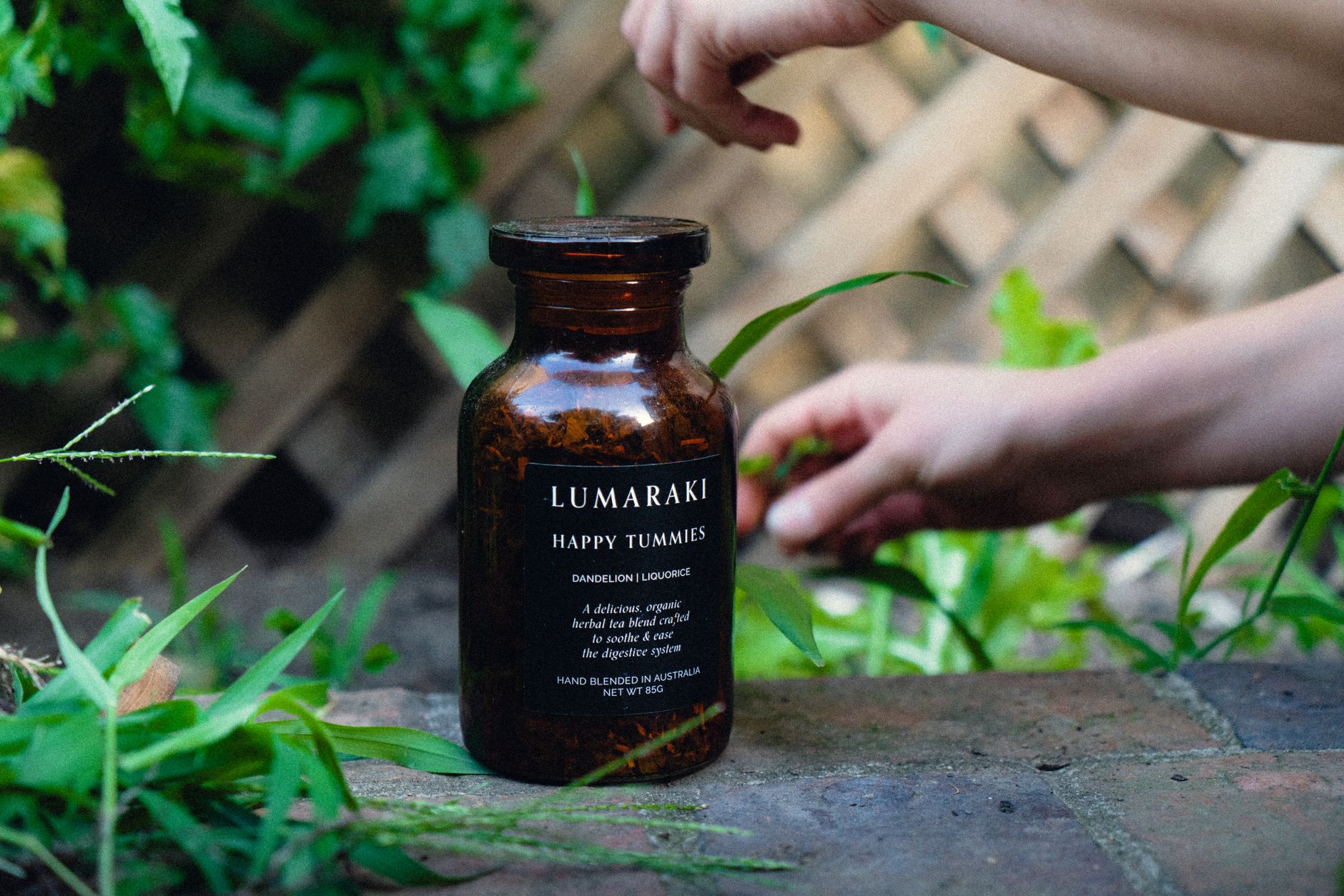
Digestion issues and bloating can be uncomfortable and frustrating to deal with. Luckily, certain types of tea are known for their ability to alleviate these common problems. From soothing ginger to aromatic peppermint, various herbal teas can help improve digestion and reduce bloating.
This article will explore the teas that are beneficial for digestion and bloating, how they work, and how to prepare them effectively. You’ll also find tips on choosing quality teas and incorporating them into your daily routine.
What Tea Is Good for Digestion and Bloating?
Teas that are particularly good for digestion and bloating include peppermint tea, ginger tea, chamomile tea, fennel tea, and dandelion tea. These teas contain natural compounds that help relax the digestive tract, reduce inflammation, and promote healthy digestion.
The Benefits of Tea for Digestion and Bloating
Tea has long been used as a natural remedy for digestive issues. Here’s a closer look at how some types of tea can benefit your digestive health:
- Soothing properties: Many herbal teas contain compounds that help soothe the stomach lining and relax the digestive tract.
- Anti-inflammatory effects: Ingredients like ginger and chamomile can reduce inflammation in the gut.
- Gas reduction: Certain teas, such as peppermint, can help relieve excessive gas and bloating.
- Improved digestion: Teas can stimulate digestive enzymes and bile production, helping the body process food more efficiently.
Peppermint Tea
Peppermint tea is an excellent choice for alleviating digestive discomfort and bloating. Its main active compound, menthol, has antispasmodic properties that relax the muscles of the gastrointestinal tract.
How to Prepare Peppermint Tea
- Boil 1 cup of water.
- Add 1 to 2 teaspoons of dried peppermint leaves or a peppermint tea bag to the water.
- Steep for 5 to 10 minutes.
- Strain the leaves or remove the tea bag, and enjoy.
Consider drinking peppermint tea after meals to help with digestion and reduce bloating.
Ginger Tea
Ginger tea is renowned for its digestive properties. Gingerol, the active compound in ginger, has been shown to promote digestive health by stimulating saliva and bile production, which aids in food breakdown.
How to Prepare Ginger Tea
- Peel and slice a 1-inch piece of fresh ginger root.
- Boil 2 cups of water in a saucepan.
- Add the sliced ginger to the boiling water.
- Simmer for about 10 to 15 minutes.
- Strain the ginger and serve, optionally adding honey for sweetness or lemon for brightness.
Ginger tea can be consumed before or after meals to help prevent nausea and improve overall digestion.
Chamomile Tea
Chamomile tea is famous for its calming effects and is often used to promote relaxation. Its anti-inflammatory properties can also soothe an upset stomach and reduce bloating.
How to Prepare Chamomile Tea
- Boil 1 cup of water.
- Add 1 tablespoon of dried chamomile flowers or a chamomile tea bag.
- Let it steep for 5 minutes.
- Strain the flowers or remove the tea bag, and enjoy.
Sipping chamomile tea before bedtime can not only aid digestion but also promote restful sleep.
Fennel Tea
Fennel tea, made from the seeds of fennel plants, is another great option for digestion. This tea can help reduce bloating and gas by relaxing the gastrointestinal muscles.
How to Prepare Fennel Tea
- Crush 1 to 2 teaspoons of fennel seeds.
- Boil 1 cup of water.
- Add the crushed fennel seeds to the boiling water.
- Let it steep for 5 to 10 minutes.
- Strain and serve.
Fennel tea can be consumed after meals to reduce bloating and encourage digestion.
Dandelion Tea
Dandelion tea is made from the leaves or roots of the dandelion plant. It acts as a natural diuretic, helping to reduce water retention and bloating while promoting healthy digestion.
How to Prepare Dandelion Tea
- Use 1 tablespoon of dried dandelion leaves or roots.
- Boil 1 cup of water.
- Add the dandelion to the water.
- Steep for 5 to 10 minutes.
- Strain and serve.
Dandelion tea can be a refreshing option either hot or iced, and it works well when consumed before meals.
Tea Quality and Preparation
To maximize the benefits of tea for digestion and bloating, focus on selecting high-quality teas. Here are some tips on choosing and preparing your teas:
- Quality matters: Opt for organic or high-quality teas to avoid pesticides and artificial ingredients.
- Freshness: Fresh tea leaves offer better flavor and health benefits, so check the expiration dates on packaged teas.
- Water temperature: Use the right water temperature for different teas (e.g., boiling for herbal teas, about 175°F for green tea) to retain flavor and benefits.
- Steeping time: Allow teas to steep adequately to extract the beneficial compounds without becoming too bitter.
Tips for Using Tea as a Remedy
Incorporating tea into your daily routine can have additional benefits for digestion and bloating:
- Hydration: Drink tea in moderation, in addition to plenty of water, to maintain hydration—important for digestive health.
- Relaxation: Take time to enjoy your tea mindfully; relaxation can aid digestion.
- Food pairing: Drink digestive teas alongside meals that may cause bloating, like rich or heavy foods.
Common Mistakes
When using tea to aid digestion, there are some common mistakes to avoid:
- Oversteeping: Leaving tea to steep for too long can result in a bitter taste and may extract unwanted compounds.
- Sugar overload: Avoid adding excessive sugar or artificial sweeteners, as these can counteract the benefits of the tea.
- Ignoring allergies: Be aware of any potential allergies to specific herbs or teas to avoid adverse reactions.
Make-Ahead Guidance
For those who like to plan ahead, you can make large batches of herbal tea and store them for later use:
- Prepare large amounts of ginger or dandelion tea and refrigerate for up to a week.
- Cold brew teas like chamomile for refreshment during the hot months.
- Use ice cubes made from tea to chill drinks while adding flavor.
Storage and Reheating
It’s crucial to store your tea properly to maintain its freshness:
- Keep tea in a cool, dark place in airtight containers to preserve flavors and properties.
- Do not reheat brewed tea multiple times; it can alter the flavor and reduce health benefits.
- Homemade teas can be stored in the refrigerator for 3-7 days, but it’s best consumed fresh.
Incorporating these herbal teas into your daily routine can help alleviate digestive discomfort and reduce bloating. Consider trying different combinations to find what works best for you, and enjoy the soothing experience that comes with each cup.
For added exploration, you may want to consider some additional beverages or remedies that focus on your digestive health. Visit more pages for tips on Southern Comfort beverages or learn more about the benefits of spearmint tea for digestion. There’s always more to discover in the world of foods and flavors!