
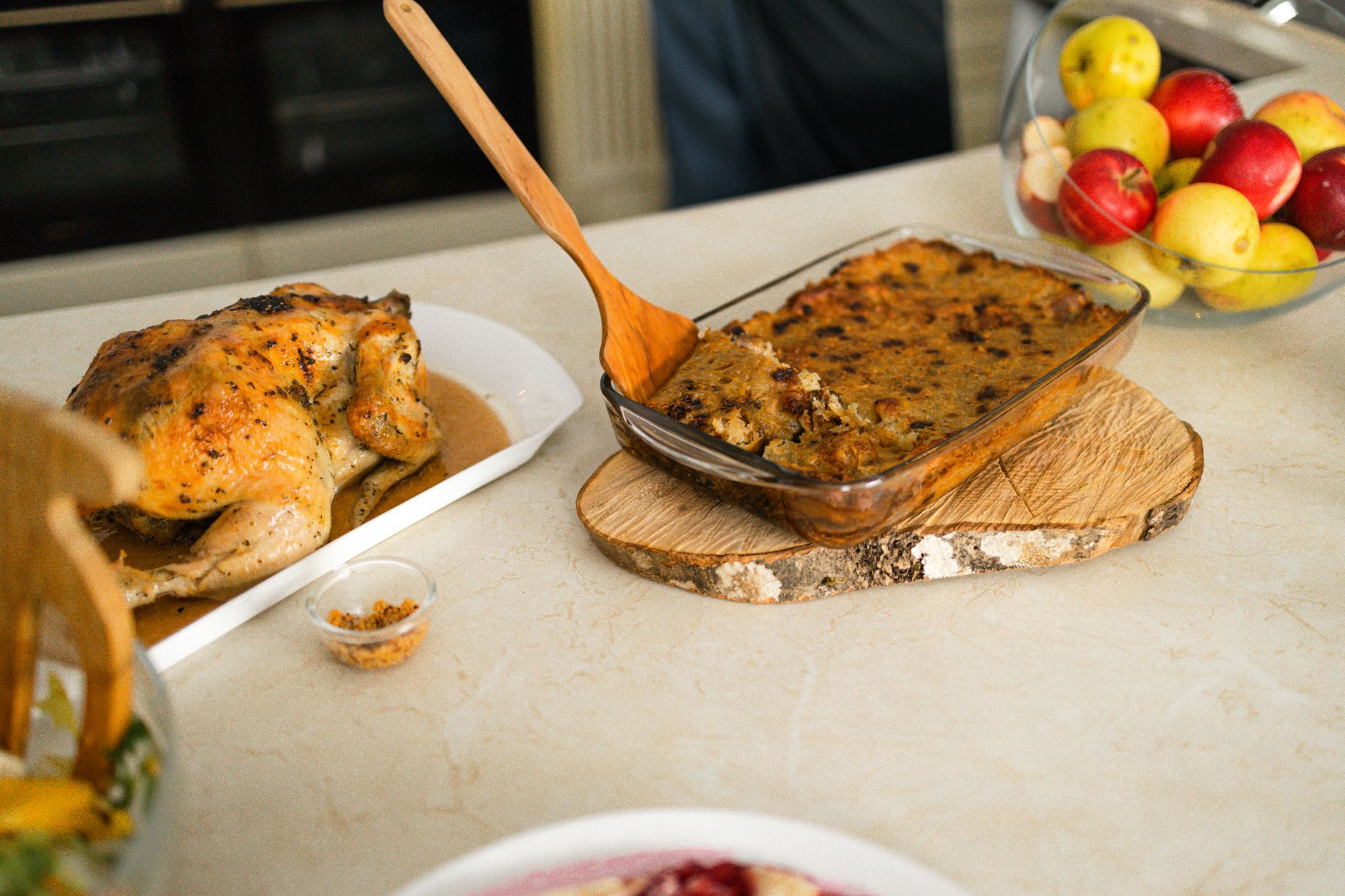
Stuffing, also known as dressing in some regions, is a flavorful mixture typically made with bread, herbs, and other ingredients like vegetables or meats. It is often served as a side dish during festive occasions, particularly at Thanksgiving. Proper cooking time and temperature are vital for achieving the desired texture and flavor, making it important to understand how long to cook stuffing.
The answer to “How long do you cook stuffing?” depends on several factors, including the type of stuffing, whether it is cooked inside or outside the bird, and the cooking method used. This guide will help you determine the correct cooking duration and provide tips for ensuring perfect stuffing every time.
How Long Do You Cook Stuffing?
The cooking time for stuffing generally ranges from 30 to 45 minutes when cooked outside the bird. If stuffed inside a turkey, it usually takes about 2 to 3 hours at a minimum oven temperature of 325°F (163°C). A food thermometer is recommended to ensure safety, aiming for a minimum internal temperature of 165°F (74°C).
Understanding Cooking Methods for Stuffing
There are two primary methods for cooking stuffing: inside the bird (traditional) and outside the bird in a baking dish. Each method has different implications for cooking time and flavor.
Cooking Stuffing Inside the Bird
Cooking stuffing inside the turkey allows it to absorb juices, enhancing its flavor. However, this method requires careful timing.
- Preheat your oven to 325°F (163°C).
- Prepare your turkey for roasting, ensuring the cavity is clean and dry.
- Stuff the bird loosely, as stuffing expands during cooking.
- The internal temperature of the stuffing should reach at least 165°F (74°C) to ensure it is safe to eat.
- Cooking a stuffed turkey typically takes 2 to 3 hours, depending on its size.
Cooking Stuffing Outside the Bird
Cooking stuffing in a casserole dish or baking pan is often seen as a safe and reliable method. This allows for even cooking and helps prevent any risk associated with undercooked poultry.
- Preheat your oven to 350°F (177°C) for a crispy top and even cooking.
- Place the prepared stuffing in a greased casserole dish, and cover it with foil to prevent it from drying out.
- Bake for approximately 30 to 45 minutes, or until the stuffing is heated through and the top is golden brown.
Factors Affecting Cooking Time
Several variables can influence how long it takes to cook stuffing. Understanding these will help you achieve the perfect result.
- Type of Bread: Different types of bread absorb moisture differently. Drier breads may require longer cooking times.
- Ingredients: Additional ingredients, such as vegetables or meats, can alter cooking times. If you have heavy additives, increase the cooking duration.
- Oven Temperature: Always ensure your oven is at the correct temperature before placing the stuffing in, as the baking time can vary based on temperature.
- Covering the Dish: Covering the stuffing with foil will trap steam and moisture but may require a longer cooking time. Remove the cover in the last 15 minutes to crisp up the top.
Best Ingredients for Stuffing
Choosing the right ingredients for your stuffing can significantly enhance the flavor. Here are some essential components commonly used:
- Bread: Use stale or toasted bread for the best texture. Options include white bread, cornbread, sourdough, or whole wheat bread.
- Broth: Chicken, turkey, or vegetable broth adds flavor and moisture. Use low-sodium broth to control salt levels.
- Herbs: Commonly used herbs include thyme, sage, rosemary, and parsley, which contribute to the stuffing’s aroma and flavor profile.
- Vegetables: Celery, onions, and garlic provide texture and richness. Sautéing them before adding them to the stuffing enhances their flavors.
- Additional Ingredients: Consider adding nuts like pecans or walnuts, fruits such as apples or raisins, or protein sources like sausage to add complexity.
Tips for Cooking Stuffing
To achieve the best results with your stuffing, keep the following tips in mind:
- For best flavor, season each layer of the stuffing mixture properly.
- Do not overstuff the turkey; this can prevent the stuffing from reaching a safe temperature.
- Test the stuffing’s doneness with a food thermometer. It should attain an internal temperature of 165°F (74°C).
- If the top of your stuffing is browning too quickly, cover it loosely with foil to prevent burning while it cooks through.
Common Mistakes When Cooking Stuffing
Many home cooks encounter pitfalls that can affect their stuffing results. Awareness of these common errors can help you avoid them.
- Skipping the Thermometer: Not checking the internal temperature can lead to dangerously undercooked stuffing.
- Making It Too Wet or Dry: Aim for a moist but not soggy stuffing. Adjust the amount of broth you use based on your bread’s absorbent capacity.
- Neglecting to Let the Ingredients Cool: Adding hot ingredients to the stuffing mixture can lead to uneven cooking and texture issues.
- Not Giving It Time to Set: Allowing the stuffing to sit for a few minutes before serving helps it firm up slightly, making it easier to scoop.
Make-Ahead Stuffing: Tips and Storage
Preparing stuffing in advance can save time on holidays or when hosting guests. Here’s how to successfully make stuffing ahead of time.
- Prepare the stuffing mixture and refrigerate it unbaked for up to 24 hours before cooking.
- If not baking immediately, store separately from any raw meat to avoid cross-contamination.
- When ready to cook, allow the stuffing to come to room temperature before placing it in the oven. This helps it cook evenly.
- Leftover stuffing can be stored in an airtight container in the refrigerator for up to 3-4 days. Reheat it in the oven at 350°F (177°C) until heated through.
Serving Suggestions
Stuffing pairs beautifully with various dishes, particularly during festive occasions. Here are some serving suggestions:
- Serve alongside roasted turkey, chicken, or pork.
- Top stuffing with gravy for a comforting addition.
- Incorporate it into a casserole with vegetables and cheese for a hearty meal.
- Pair with cranberry sauce for a delightful sweet balance.
Exploring Variations of Stuffing
Get creative by trying different stuffing variations tailored to your preferences or dietary needs:
- Sourdough Stuffing: This variant uses sourdough bread, offering a tangy flavor twist that pairs well with savory herbs.
- Oyster Stuffing: Incorporating oysters adds a briny richness and depth of flavor.
- Vegetarian Stuffing: Use vegetable broth and load up on various vegetables, nuts, and herbs to create a flavorful vegetarian option.
- Gluten-Free Stuffing: Substitute traditional bread with gluten-free options, ensuring all other ingredients remain compliant.
Conclusion
Understanding how long to cook stuffing is crucial for achieving a safe and delicious side dish. Whether you’re preparing it inside a turkey or baking it separately, follow the time and temperature guidelines for success. Don’t hesitate to experiment with various ingredients and flavors to make your stuffing uniquely yours.
For more variations, consider trying our oyster dressing recipe or check out a sourdough stuffing recipe for something different and delightful. Enjoy your cooking adventures!