
The aroma of oyster dressing wafting through the kitchen on a holiday afternoon is pure comfort in its most nostalgic form.
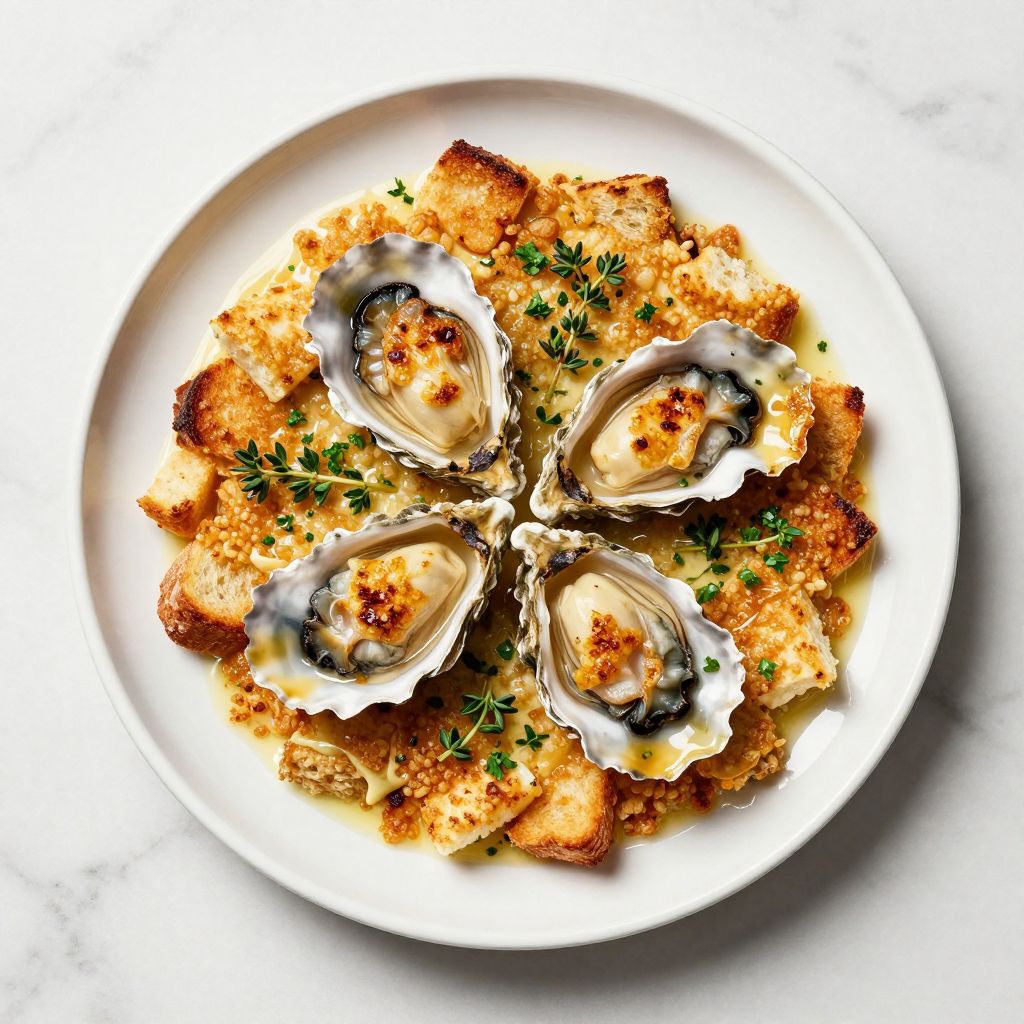
Oyster dressing is a Southern classic that transforms simple bread, butter, and briny seafood into something genuinely special. This savory side dish combines the richness of oysters with toasted bread cubes and aromatic vegetables, creating a stuffing that feels fancy enough for a fancy dinner but humble enough for any family table. If you’ve never tried oyster dressing before, you’re in for a treat that goes far beyond conventional stuffing.
Why You’ll Love This Recipe
Oyster dressing delivers seafood sophistication without requiring restaurant-level cooking skills. Once you taste the briny sweetness of oysters folded into buttery, golden bread, you’ll understand why this dish has survived generations.
- Briny oysters add umami depth that regular stuffing simply cannot match.
- Simple ingredients you likely have on hand create something restaurant-worthy.
- Prep work is straightforward, and the dish comes together in under two hours total.
- Pairs beautifully with roasted turkey, ham, or even grilled fish.
- Leftovers taste even better reheated the next day.
My Experience Making This Recipe
I first tasted oyster dressing at my grandmother’s Thanksgiving table, and I’ll admit I was skeptical. Oysters in stuffing sounded unusual, but one bite converted me instantly.
The magic happens when you sear the oysters quickly in butter and then fold them gently into the warm bread mixture. The oyster juice mingles with the broth and melts into every crevice of the toasted bread cubes, creating pockets of incredible flavor. When I made it for my own family last year, my brother asked for the recipe before dessert was even served.
The texture is what makes this dish shine: crispy edges from the top layer meeting creamy, moist bread underneath, all tied together by the briny sweetness of the oysters. My kids, who normally avoid anything seafood-related, happily ate two servings without complaint.
Recipe Overview
- Recipe Name: Oyster Dressing
- Servings: 8 to 10
- Prep Time: 25 minutes
- Cook Time: 45 minutes
- Total Time: 1 hour 10 minutes
- Course: Side Dish
- Cuisine: Southern American
- Calories per Serving: 280
Equipment You Will Need
- Large skillet or Dutch oven
- 9×13-inch baking dish
- Cutting board and chef’s knife
- Wooden spoon for stirring
- Measuring cups and spoons
- Small saucepan
- Colander or fine-mesh strainer
Ingredients for Oyster Dressing
- 8 cups cubed day-old bread (about half a large loaf, cut into 1-inch cubes)
- 1 pint fresh oysters with their liquor (about 2 pounds with shells, or 1 pound shucked)
- 6 tablespoons unsalted butter, divided
- 1 large yellow onion, finely diced
- 3 celery stalks, finely diced
- 4 cloves garlic, minced
- 3 cups chicken or seafood broth
- 1/2 cup fresh parsley, finely chopped
- 2 tablespoons fresh thyme leaves
- 1 teaspoon salt
- 1/2 teaspoon black pepper
- 1/4 teaspoon cayenne pepper
- 2 large eggs, beaten
Ingredient Notes and Substitutions
- Fresh oysters: Oysters provide briny flavor and a delicate texture that defines this dish. Frozen oysters work in a pinch, but fresh ones deliver superior taste and texture.
- Day-old bread: Stale bread absorbs liquid better and creates a firmer texture than fresh bread. Cornbread, brioche, or a mix of white and whole wheat bread all work beautifully.
- Butter: Real butter gives this dish its rich, classic flavor. Olive oil creates a lighter version but loses some of that Southern comfort-food richness.
- Fresh herbs: Parsley and thyme brighten the savory depth. Dried herbs can substitute at half the amount, though fresh is worth seeking out.
- Broth: Seafood broth brings out the oyster flavor best, but chicken broth works perfectly well. Vegetable broth creates a lighter taste profile.
How to Make Oyster Dressing
Step 1: Toast Your Bread Cubes
Preheat your oven to 350 degrees Fahrenheit. Spread the cubed bread on two large baking sheets and bake for 10 to 12 minutes, stirring halfway through, until golden and crispy on the edges but still slightly soft in the center. Toasting the bread removes excess moisture and helps it hold up when mixed with the broth.
Step 2: Prepare the Aromatics
While the bread toasts, dice your onion and celery into small, uniform pieces roughly the size of a pea. Mince the garlic finely and chop your parsley and thyme. Uniformly sized vegetables cook at the same rate and distribute their flavor evenly throughout the dressing.
Step 3: Sauté the Vegetables
Melt 4 tablespoons of butter in a large skillet over medium heat. Add the diced onion and celery, cooking for 6 to 8 minutes until softened and fragrant, stirring occasionally. The vegetables should be translucent and tender but not browned.
Add the minced garlic and cook for another 30 seconds, stirring constantly. Garlic burns easily, so watch it carefully and remove the pan from heat if it begins to brown.
Step 4: Prepare the Oysters
Drain the oysters in a colander, reserving their liquor in a small bowl. Pat the oysters dry with paper towels to remove excess moisture, which helps them sear properly. Do not skip this step, as wet oysters will steam instead of sear.
Step 5: Sear the Oysters
Increase the heat under your skillet to medium-high. Add the remaining 2 tablespoons of butter and wait until it foams and smells nutty. Add the oysters in a single layer and sear for 90 seconds on each side without moving them around.
The oysters should develop a light golden crust and feel slightly firm to the touch. Overcooking oysters makes them rubbery, so remove them from the heat as soon as they’re cooked through. Pour the cooked oysters and any pan juices into a bowl and set aside.
Step 6: Combine Bread and Seasonings
Transfer the toasted bread cubes to a large mixing bowl. Add the cooked vegetables, parsley, thyme, salt, black pepper, and cayenne pepper. Toss everything together gently until the herbs and seasonings are distributed evenly throughout the bread.
Step 7: Add the Liquid
Pour the reserved oyster liquor into a measuring cup and add enough broth to reach 3 cups total. Drizzle this mixture over the bread and vegetables, stirring gently with a wooden spoon until the bread absorbs the liquid and the mixture is moist but not mushy. The bread should feel like a wrung-out sponge, not soup.
Let this mixture sit for 2 minutes to allow the bread to fully absorb the broth. Add more broth one tablespoon at a time if the mixture seems too dry.
Step 8: Add Eggs and Oysters
Beat the eggs together in a small bowl, then drizzle them over the bread mixture while stirring gently. The beaten eggs help bind the dressing and create a tender crumb structure.
Fold in the seared oysters and any accumulated pan juices carefully using a rubber spatula or wooden spoon. Handle the oysters gently to keep them intact and visible in the finished dish.
Step 9: Bake the Dressing
Transfer the mixture to a buttered 9×13-inch baking dish, spreading it in an even layer. Bake at 350 degrees Fahrenheit for 30 to 35 minutes until the top is golden brown and a knife inserted in the center comes out hot to the touch.
The top should develop a crispy, golden crust while the interior stays moist and tender. If the top browns too quickly, tent it loosely with foil for the last 10 minutes of baking.
Pro Tip: Prepare the dressing mixture up to 8 hours ahead and refrigerate it in the baking dish. Let it come to room temperature for 30 minutes before baking, then add 5 to 10 minutes to the baking time.
Tips for the Best Oyster Dressing
- Buy oysters from a reputable fishmonger and use them the same day for peak flavor and safety. Ask them to shuck the oysters for you if you’re uncomfortable doing it yourself.
- Use bread that is actually day-old or older, not fresh bread straight from the bakery. Stale bread holds moisture better and prevents the dressing from becoming gluey.
- Measure your broth carefully and add it gradually, testing the texture as you go. The final mixture should be moist but hold together when pressed, not soupy or dry.
- Do not overwork the dressing mixture when combining ingredients. Gentle folding keeps the texture light and prevents the bread from becoming mushy.
- Sear the oysters quickly and serve them warm for the best texture. Overcooking ruins their tender, delicate quality.
- Buttered parchment paper under the baking dish prevents sticking and makes cleanup easier without affecting the final result.
Common Mistakes to Avoid
- Using fresh, soft bread instead of day-old bread creates a gluey, mushy texture that falls apart when dished up. Day-old bread has lost moisture and holds up much better to the broth.
- Adding too much broth before tasting the texture results in dressing that’s soupy and lacks structure. Start with less broth and add more gradually until you reach the right consistency.
- Overcooking the oysters turns them into rubber pellets with zero appeal. High heat for a short time is the goal, not gentle simmering.
- Skipping the bread-toasting step means soggy dressing that tastes more like casserole than a proper side dish. The toasted edges create texture contrast that matters.
- Mixing the dressing too vigorously breaks apart the bread cubes and creates a paste instead of a chunky, textured dish. Use a gentle hand and fold rather than stir aggressively.
Serving Suggestions
Oyster dressing shines as a holiday side dish but deserves a place on your everyday table too. Pair it with proteins that let the oyster flavor stand out without competing for attention.
- Roasted turkey or chicken with pan gravy
- Herb-brined pork chops or roasted ham
- Grilled or pan-seared fish like flounder, snapper, or halibut
- Roasted root vegetables and a simple green salad for a lighter meal
- Alongside a bright Catalina dressing salad for contrast
Variations to Try
- Cornbread Oyster Dressing: Replace half the cubed white bread with crumbled cornbread for a sweeter, slightly textured variation that’s especially good with roasted chicken or turkey.
- Spicy Oyster Dressing: Add sliced jalapeños to the sautéed vegetables and increase the cayenne to half a teaspoon for a dressing with a pleasant kick that pairs well with ham or pork.
- Seafood Lover’s Dressing: Mix in one cup of lump crab meat or shrimp along with the oysters for a mixed seafood version that feels decadent and restaurant-quality.
- Wild Rice Oyster Dressing: Substitute 2 cups of the bread with cooked wild rice for added texture and nuttiness. Reduce the broth slightly to account for the rice’s moisture content.
- Smoked Oyster Dressing: Use canned smoked oysters instead of fresh for a deeper, smokier flavor. This option works well with less prep time and stores longer.
Dietary Adaptations
- Gluten-Free: Substitute gluten-free bread cubes in equal amounts for regular bread. Gluten-free bread tends to dry out faster, so reduce baking time by 5 to 10 minutes and watch the top carefully.
- Dairy-Free: Replace butter with olive oil or dairy-free butter alternative at the same amounts. The flavor shifts slightly toward Mediterranean, but the dressing remains delicious and moist.
- Vegetarian: Replace oysters with two cups of sautéed mushrooms (cremini, shiitake, or oyster mushrooms) for umami depth. Use vegetable broth instead of seafood or chicken broth to keep the dish fully vegetarian.
- Low-Carb/Keto: Substitute bread with cauliflower rice or a combination of finely diced mushrooms and celery. The texture changes significantly, but the dish stays satisfying and delicious with the oyster flavor intact.
Storage and Reheating
Refrigerator
Store leftover oyster dressing in an airtight container for up to 3 days. The dressing keeps well and actually tastes more flavorful as the ingredients continue to meld.
- Cool the dressing completely before transferring to a container to prevent condensation.
- Store oyster dressing separately from any gravy or sauce to prevent sogginess.
Freezer
Oyster dressing freezes beautifully for up to 2 months in a freezer-safe container. Freeze the uncooked dressing mixture in the baking dish before baking for the easiest method.
- Wrap the unbaked dressing tightly in plastic wrap and foil before freezing.
- Thaw overnight in the refrigerator before baking, adding 10 minutes to the baking time.
Reheating
Reheat leftover dressing gently to preserve the texture and keep the oysters tender. Covering the dish helps retain moisture while heating through.
- Reheat covered at 325 degrees Fahrenheit for 15 to 20 minutes until warmed through.
- Sprinkle a little extra broth on top before reheating if the dressing seems dry.
- Microwave individual portions for 1 to 2 minutes, but oven reheating preserves texture better overall.
Nutrition Information
| Nutrient | Amount |
|---|---|
| Calories | 280 |
| Total Fat | 14g |
| Saturated Fat | 7g |
| Carbohydrates | 28g |
| Fiber | 2g |
| Sugar | 2g |
| Protein | 12g |
| Sodium | 620mg |
| Cholesterol | 95mg |
Nutrition values are approximate and calculated using standard ingredient data. Actual values vary based on specific brands and preparation methods used.
Frequently Asked Questions
Can I use frozen oysters instead of fresh ones?
Frozen oysters work in a pinch and save time, but fresh oysters deliver superior briny flavor and tender texture. If using frozen oysters, thaw them completely and drain excess liquid before searing to achieve the best results.
How do I shuck oysters if I’ve never done it before?
Ask your fishmonger to shuck them for you, which solves the problem instantly. If you prefer to do it yourself, you’ll need an oyster knife, and a quick online video tutorial shows the technique clearly in about two minutes.
Can I make the dressing ahead for a holiday meal?
Absolutely, and it’s actually recommended for busy cooks. Prepare the mixture up to 8 hours ahead, cover it in the baking dish, and refrigerate until you’re ready to bake, adding about 10 minutes to the baking time.
What type of bread works best for oyster dressing?
Day-old white bread is traditional and classic, but cornbread, brioche, or a mix of white and whole wheat all work beautifully. Avoid strongly flavored breads like pumpernickel or rye, which compete with the oyster flavor.
Why is my dressing mushy instead of having a nice texture?
Too much broth or fresh soft bread causes mushiness. Use day-old bread and measure your broth carefully, adding it gradually until the mixture is moist but still holds together when pressed.
Can I use canned or jarred oysters?
Canned oysters are saltier and less tender than fresh, but they work in this recipe. Use them if fresh aren’t available, but reduce the salt in the recipe to half a teaspoon and drain them well before using.
Final Thoughts
Oyster dressing proves that a few humble ingredients in the right hands become something truly memorable. The briny oysters, buttery bread, and aromatic vegetables create a side dish that elevates any holiday table or weeknight dinner into something special.
If you’ve never made this recipe before, I hope you’ll try it this holiday season and discover why generations have loved this Southern classic. Your family will taste the difference quality ingredients and a little care make, and I guarantee they’ll be asking for the recipe.
If you loved this recipe, explore more delicious side dishes and seafood recipes on the site. Try our seafood boil sauce recipe for another seafood-inspired dish that brings restaurant flavors to your home kitchen.
Oyster Dressing
Ingredients
Equipment
Method
- Preheat the oven to 350°F and spread the cubed bread on two baking sheets. Bake for 10 to 12 minutes, stirring halfway, until golden and slightly soft in the center.
- Meanwhile, dice the onion and celery into small pieces and mince the garlic. Chop the parsley and thyme.
- Melt 4 tablespoons of butter in a large skillet over medium heat. Add the onion and celery and cook for 6 to 8 minutes until softened.
- Add the minced garlic to the skillet and cook for 30 seconds, stirring constantly.
- Drain the oysters in a colander, reserving the liquor. Pat the oysters dry with paper towels.
- Increase the heat to medium-high, add the remaining 2 tablespoons of butter, and sear the oysters for 90 seconds on each side. Remove and set aside with any pan juices.
- Transfer the toasted bread to a large bowl. Add the cooked vegetables, parsley, thyme, salt, pepper, and cayenne pepper. Toss gently to combine.
- Combine the reserved oyster liquor and broth to measure 3 cups. Drizzle over the bread mixture and stir until the bread is moist but not mushy. Let sit for 2 minutes.
- Beat the eggs and pour over the bread mixture, stirring gently. Fold in the seared oysters and any accumulated juices.
- Butter a 9x13-inch baking dish and transfer the mixture, spreading evenly. Bake at 350°F for 30 to 35 minutes until the top is golden brown.