
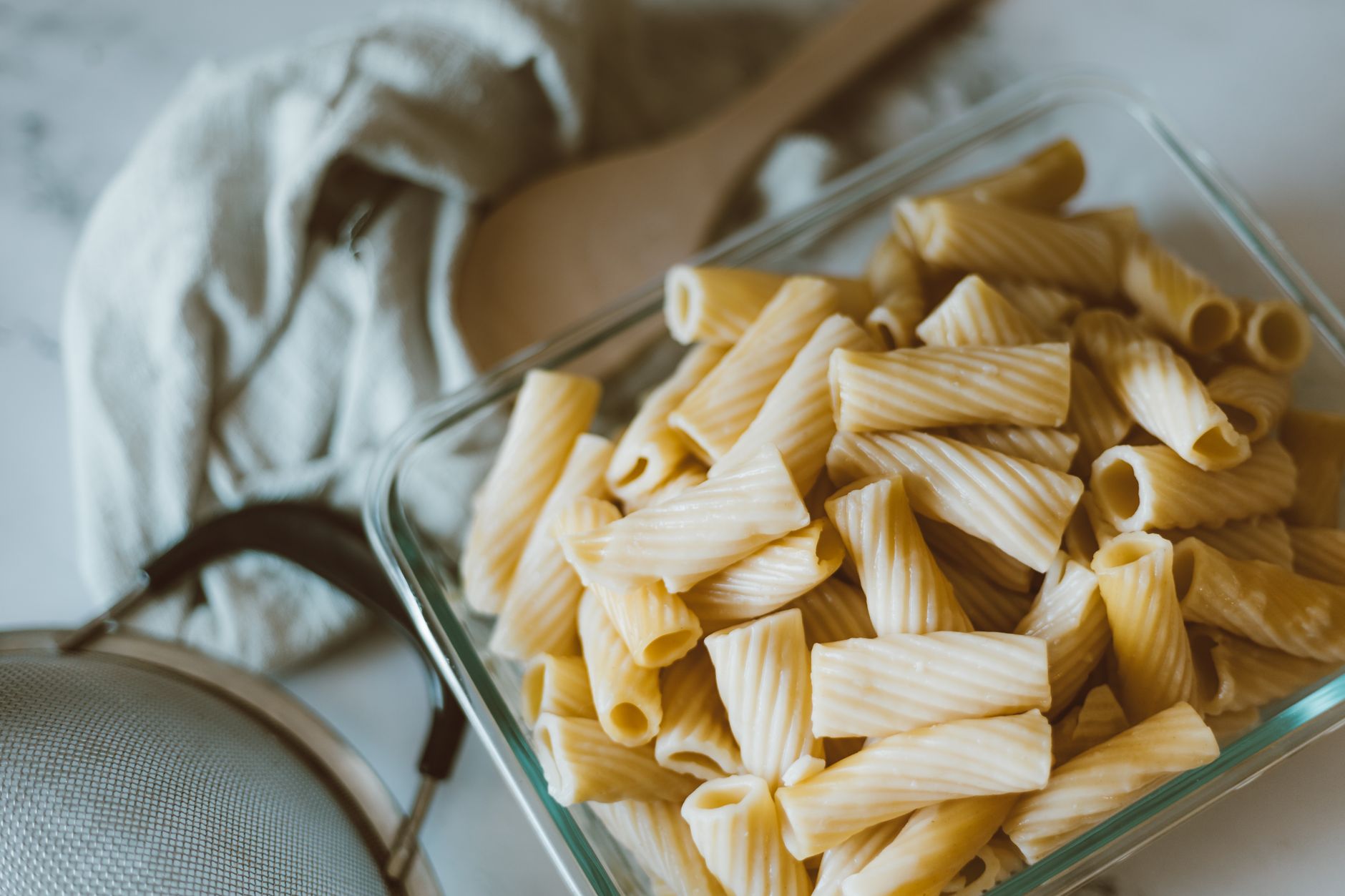
Pasta is a beloved staple found in cuisines around the world, cherished for its versatility and ease of preparation. But what happens when you have cooked too much? Understanding how long pasta can safely stay in the fridge is essential for both food safety and quality. This guide will help you learn the proper storage methods for cooked pasta, how to identify freshness, and how to utilize leftovers effectively.
Whether you’re a meal prep enthusiast or an occasional cook, knowing how to store pasta will minimize waste and ensure you can enjoy delicious meals using leftovers. Keep reading to discover everything you need to know about pasta storage.
How Long Can Pasta Stay in the Fridge?
Cooked pasta can typically stay in the fridge for 3 to 5 days. This longevity is influenced by factors such as storage method, the sauce it’s combined with, and the overall freshness of the pasta before it was cooked. Proper handling is crucial to maintain pasta quality and ensure your meals remain safe to eat.
Understanding Pasta Storage
Food safety and quality largely depend on how you store cooked pasta. Here’s a breakdown of important factors to consider:
1. Choosing the Right Container
Selecting an appropriate container is critical for extending the lifespan of cooked pasta. Here are some options:
- Airtight Containers: Glass or plastic containers with tight-fitting lids help keep moisture and air out.
- Plastic Wrap: If you don’t have a container, use plastic wrap. Ensure it is tightly sealed against the pasta.
- Freezer Bags: For longer storage, consider freezing the pasta in heavy-duty freezer bags. Remove as much air as possible before sealing.
2. Cooling Pasta Properly
It’s essential to cool pasta quickly after cooking to prevent bacterial growth. Here are steps to do it safely:
- Drain the pasta and rinse it under cold water to lower the temperature.
- Spread the pasta in a thin layer on a baking sheet to accelerate cooling.
- Once cooled, transfer it to your chosen storage container.
3. Labeling and Timing
Label your containers with the date so you can easily keep track of how long the pasta has been stored. This practice helps ensure you consume it within the recommended time frame.
Signs of Spoiled Pasta
Even when stored under optimal conditions, cooked pasta can go bad. Look for these signs of spoilage:
- Off Odor: If the pasta smells sour or otherwise unpleasant, it’s best to discard it.
- Mold Growth: Any visible mold indicates it’s no longer safe to eat.
- Texture Changes: If the pasta feels slimy or excessively hard, it’s a sign of spoilage.
How to Reheat Pasta
Reheating pasta can be simple, but it’s critical to aim for even heating. Here are methods for reheating cooked pasta:
1. Stovetop Method
- Place the pasta in a pot and add a small amount of water or sauce (about 1-2 tablespoons per serving).
- Cover and heat over medium heat until warmed through, stirring occasionally.
- Once heated, serve immediately.
2. Microwave Method
- Transfer the pasta to a microwave-safe dish.
- Add a splash of water or sauce, cover using a microwave-safe lid or plastic wrap, leaving a small gap for steam to escape.
- Heat on medium power for 1-minute intervals, stirring in between until reheated thoroughly.
Pasta and Sauces: What to Know
When pasta is combined with sauces, the storage time may vary based on the ingredients used. Understanding these combinations is essential for effective storage:
1. Creamy Sauces
Pasta coated in creamy sauces—think Alfredo or carbonara—generally lasts 3 to 4 days in the fridge. The dairy component requires vigilance, as it can spoil quickly.
2. Tomato-Based Sauces
Pasta with tomato-based sauces, such as marinara or arrabbiata, can last up to 5 days, due to the acidity which helps prevent bacterial growth.
3. Pesto and Oil-Based Sauces
For oil-based sauces or pesto, expect a similar storage time as tomato sauces, around 3 to 5 days. However, always check for freshness due to the perishable nature of basil and other herbs.
Meal Prep with Pasta
Pasta is a fantastic choice for meal prep, allowing you to create a variety of meals quickly. Here are some ideas for meal prepping with pasta:
1. Batch Cooking
Cook large quantities of pasta at once, store in portions, and mix with different sauces or ingredients throughout the week. This way, meals can vary without excessive effort.
2. Cold Pasta Salads
Make a cold pasta salad by combining cooked pasta with vegetables, proteins, and a dressing. These salads can last up to 5 days and make a refreshing meal option.
3. Baked Pasta Dishes
Dishes like baked ziti or lasagna can be prepared ahead of time, baked, and refrigerated. When properly stored, they can last up to 3 days in the fridge or can be frozen for longer storage.
Freezing Pasta for Longer Storage
If you want to keep pasta even longer, consider freezing it. Here’s how:
1. Freezing Cooked Pasta
- Cool the pasta as previously described.
- Portion the pasta into freezer bags, removing excess air. Seal tightly.
- Label with the date and contents, then place in the freezer.
2. Thawing Frozen Pasta
To thaw frozen pasta, place it in the refrigerator for a few hours or overnight. For a quicker method, microwave the pasta directly from the freezer, adding a splash of water to maintain moisture.
Common Mistakes to Avoid
When it comes to storing and reheating pasta, some common pitfalls can lead to food waste or health risks. Here are some to steer clear of:
1. Not Cooling Properly
Allowing pasta to sit out at room temperature for too long can lead to bacterial growth. Always cool it promptly.
2. Overpacking Containers
Filling containers too full can result in compressed pasta, which may heat unevenly or spoil quicker. Portion out realistically.
3. Ignoring Expiration Dates
Monitor how long pasta has been in storage, and do not keep it beyond the recommended time, even if it looks fine.
Serving Suggestions for Leftover Pasta
Revitalizing leftover pasta can be simple with a few creative serving suggestions. Here are ways to enjoy your stored pasta:
1. Pasta Bake
Toss leftover pasta with some cheese, vegetables, and protein in a baking dish, and bake until bubbly for a comforting meal.
2. Stir-Fry
Use leftover pasta as a base for stir-frying with vegetables and meat for a quick, satisfying dish.
3. Soup Add-In
Leftover pasta can provide a hearty addition to soups. Add it in during the last few minutes of cooking to reheat.
Final Thoughts on Pasta Storage
Storing cooked pasta effectively ensures you can enjoy it over several days without compromising food safety or quality. By understanding storage options, meal prep possibilities, and signs of spoilage, you can minimize food waste and enhance your meal preparation. Remember to label, store appropriately, and reheat safely to make the most of your pasta dishes.
As you expand your culinary skills, consider exploring other aspects of food storage and meal planning. For instance, check out how long ground beef stays good in the fridge or how long cooked chicken lasts to enhance your overall food safety knowledge.